Last updated: November 11, 2026
To clean a shingle roof safely, first assess its condition, protect nearby property, use a controlled method suited to the shingles, and check drainage afterward. Cleaning can improve its appearance and remove debris that slows drainage. On San Diego roofs, dark streaks may be algae stains, but damaged shingles or a suspected leak call for an inspection before cleaning. Gastelum Roofing offers professional roof cleaning tailored to the roof material and its condition.
How do you clean a shingle roof without damaging it?
Clean a shingle roof by assessing the shingles and drainage first, protecting landscaping and surrounding surfaces, using a shingle-appropriate, low-pressure method with a compatible cleaner only when needed, and checking the roof and drainage paths afterward. Loose shingles, visible damage, or suspected leaks call for a roof inspection before cleaning. Roof access and cleaning are best left to trained professionals.
What should you check before cleaning asphalt shingles?
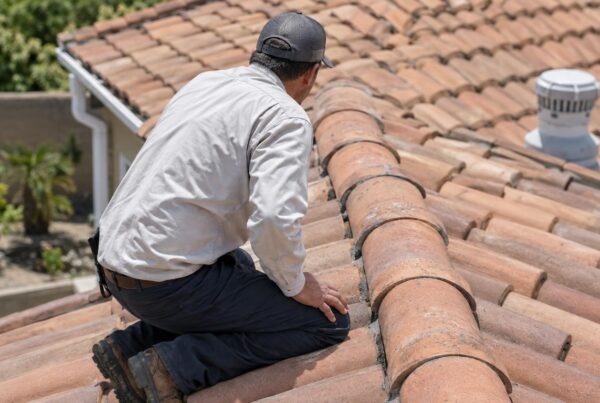
From the ground or another safe vantage point, look for lifted or missing shingles, accumulated debris, blocked gutters, and staining around valleys or roof penetrations. Note any interior signs of a leak. A dark stain alone does not tell you whether the shingles beneath it are sound, so uncertain areas deserve closer inspection before a cleaning method is chosen.
What steps are involved in a material-appropriate cleaning?
- Assess the roof: Identify the shingle type, staining, debris, drainage issues, and areas that may need repair.
- Protect the property: Safeguard landscaping, gutters, and nearby surfaces before cleaning begins.
- Clean with control: Use a shingle-appropriate, low-pressure method, with a compatible product if needed and careful rinsing and runoff management.
- Check the result: Review the cleaned areas, remove remaining debris, and make sure drainage paths are clear.
Is soft washing a roof safe?
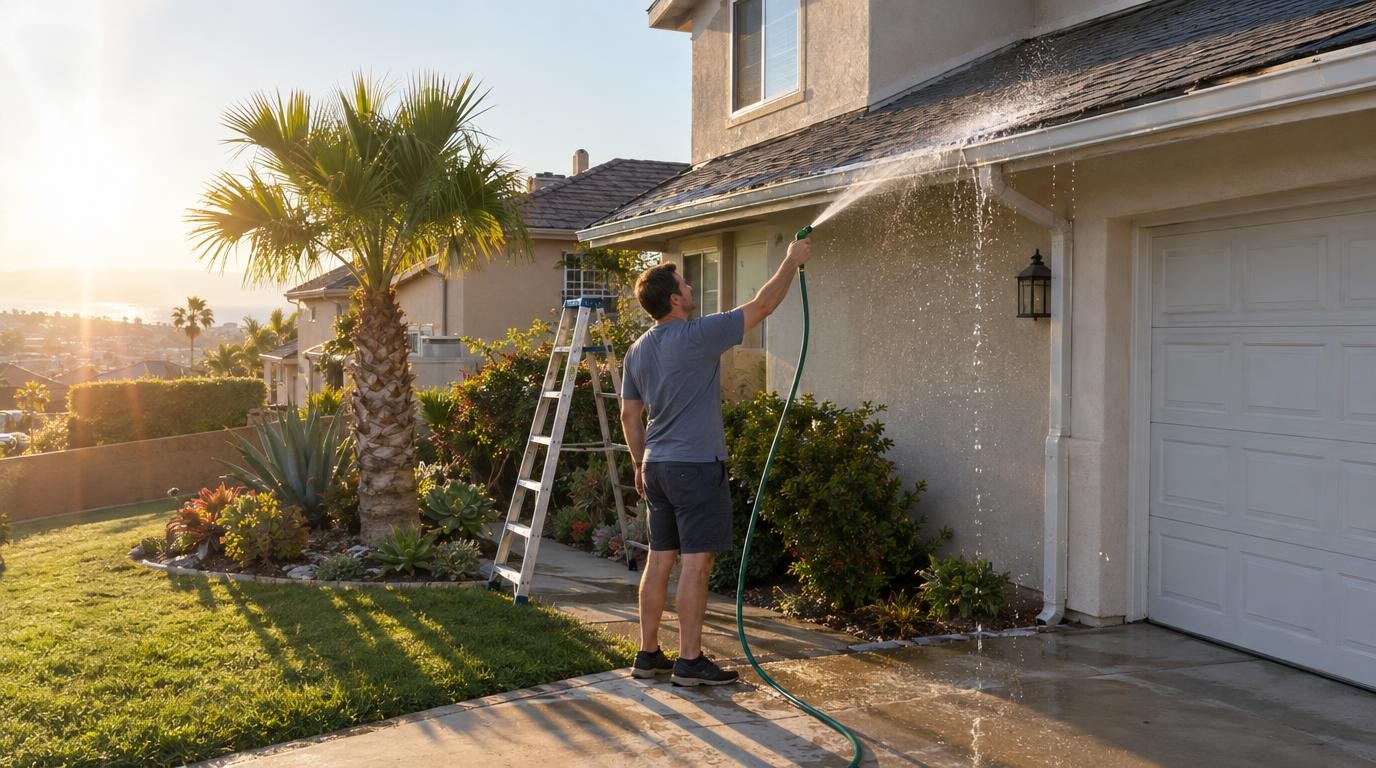
Soft wash roof cleaning can be appropriate for asphalt shingles when the cleaning solution, application pressure, rinsing, and runoff controls suit the roof and its manufacturer’s instructions. Low pressure does not make every product safe or every roof suitable for cleaning. A worn or leaking roof needs assessment before a cleaning application.
Why can pressure washing damage asphalt shingles?
A high-pressure stream can disturb shingles and their protective surfaces, particularly where roofing is already loose or worn. At Gastelum Roofing, we use material-appropriate methods without the harsh pressure that can damage shingles, underlayment, or protective coatings.
These approaches differ in when they fit and what they can accomplish:
| Approach | When it fits | Main consideration |
|---|---|---|
| Controlled, shingle-appropriate cleaning | Shingles are sound, with stains or debris to remove | Use a compatible product only if needed, and manage runoff. |
| High-pressure washing | Not our method for asphalt shingles | Harsh pressure can damage shingles and protective surfaces. |
| Inspection and possible repair before cleaning | Shingles are loose or damaged, or a leak is suspected | Cleaning cannot correct a roofing defect. |
How to clean roof shingles with bleach?
If your shingle manufacturer permits bleach-based cleaning, use only a roof-cleaning product labeled for those shingles and follow its directions for dilution, application, contact time, and rinsing. If the shingle manufacturer or product does not permit that use, do not apply bleach. Before application, we protect landscaping and surrounding surfaces and plan for controlled rinsing and runoff.
How should cleaning solutions and runoff be handled?
Keep cleaning solution away from plants and surrounding surfaces as directed by the product, and account for where rinse water will travel through gutters and downspouts. The Centers for Disease Control and Prevention’s rainwater guidance explains that water moving across a roof can pick up chemicals and other contaminants. That is a reason to plan runoff before applying a cleaner, especially where roof water is collected.
For chemical handling, the CDC’s cleanup safety guidance warns against mixing bleach with ammonia or other household cleaners because dangerous fumes can result. Its household cleanup instructions are not a recipe for asphalt shingles. Our team uses controlled application and rinsing when needed, protects landscaping, and attends to California safety and runoff requirements.
Why do shingle roofs get black streaks in coastal San Diego?
Dark streaks on asphalt shingles are often caused by algae or airborne contaminants. Coastal moisture and shade can contribute to staining on San Diego roofs.
How can you tell algae stains from moss or ordinary debris?
Algae commonly appears as dark discoloration across the shingle surface. Moss is more visibly raised, while leaves and wind-blown material collect around valleys, penetrations, and gutters. If growth obscures shingles or drainage, an inspection helps distinguish a cleaning task from a repair concern.
What time of year is best to remove moss from a roof?
There is no fixed best season for removing moss from a shingle roof. Arrange an assessment when you notice it rather than waiting for spring or fall. Removal can proceed when the roof is suitable for cleaning and the weather and working conditions permit safe, material-appropriate work. The roof’s condition and the extent of the growth guide our approach.
How often should a coastal shingle roof be inspected or cleaned?
Check the roof and drainage from a safe location in spring and fall, and after weather that leaves substantial debris. Most roofs benefit from cleaning every 1–3 years, depending on shade, nearby trees, coastal moisture, and visible staining. We recommend an inspection to determine the right schedule for your roof.
What can I spray on my roof shingles to make them last longer?
No spray can be promised to extend shingle life or replace a needed repair. Any roof treatment should match the shingle manufacturer’s instructions, the product directions, and the roof’s present condition. Keeping drainage clear and limiting debris may be more useful than applying a product to shingles that are already worn or damaged.
Can gutter cleaning and tree trimming limit buildup?
Clear gutters and remove debris that keeps shaded sections damp; trim overhanging branches where appropriate. The CDC’s Healthy Housing Reference Manual includes cleaning clogged roof gutters among routine property measures. These steps can reduce debris and help drainage, but they do not remove existing stains or replace an inspection of damaged shingles.
Can you clean a shingle roof yourself, or should you call a roofer?
Homeowners can check for stains and debris from the ground, but roof access, chemical application, and cleaning near flashing or penetrations are better handled by roofing professionals. Call for an inspection when shingles appear loose or damaged, drainage is blocked, or a leak is suspected. Cleaning cannot correct a roofing defect.
When does staining call for a roof inspection instead of cleaning?
Request an inspection if stains accompany lifted shingles, persistent debris in a valley, water backing up near a gutter, or signs of moisture indoors. We offer roof inspections and may recommend a practical repair rather than cleaning alone.
How does Gastelum Roofing clean shingle roofs in San Diego?
Gastelum Roofing starts by evaluating the shingle roof, staining patterns, and areas of concern. Our team protects landscaping, gutters, and nearby surfaces before using controlled, material-specific cleaning methods. After the application, we check the results, clear drainage paths, and clean up the property. The approach depends on the roof’s condition, not staining alone.
What happens before and after the cleaning application?
Before cleaning, we inspect flashing, vents, skylights, and valleys to identify areas needing particular care. Afterward, we check for debris near these features and leave the property tidy. Tile and low-slope roofs call for different material-specific methods than asphalt shingles.
Frequently Asked Questions
Should I disconnect my rain barrel before a shingle roof cleaning?
Yes, arrange to keep roof-cleaning runoff out of your rain barrel or tank while work is underway. The CDC’s rainwater guidance explains that water crossing a roof can pick up chemicals and other contaminants. Tell our team about any collection system before cleaning so we can plan runoff management.
Can a shingle roof be cleaned right after a San Diego storm?
Yes, but only after an assessment confirms the shingles and drainage are suitable for cleaning. Storms can leave debris in valleys and near gutters, where water may back up. We evaluate the roof first, then address buildup with a material-specific method or recommend repair if damage is found.
Should I clean my shingle roof before listing my home for sale?
Yes, if the shingles are sound and staining or debris affects the roof’s appearance. Cleaning can improve curb appeal and clear drainage paths, but it should not be used to hide damage. We offer roof inspections and recommend practical repairs when cleaning alone is not appropriate.
What if dark streaks return soon after a shingle roof cleaning?
Have the roof and its surroundings reassessed rather than automatically applying more cleaner. Shade, coastal moisture, nearby trees, and debris can favor recurring buildup, while not every dark mark has the same cause. At Gastelum Roofing, we check staining patterns and drainage before recommending further cleaning or maintenance; cleaning cannot guarantee that stains will not return.
What should I do if I notice a ceiling stain after roof cleaning?
Request a roof inspection promptly, especially if the stain is new or growing. A ceiling stain may indicate a moisture problem, but its timing alone does not establish what caused it. The CDC notes that mold can grow where moisture enters around roof leaks. Cleaning cannot seal a leak or repair damaged shingles.
Can a shingle roof be cleaned around skylights and vents?
Yes, if an evaluation shows the shingles and nearby roof details are suitable for cleaning. Skylights, vents, flashing, and other penetrations need particular care during application and rinsing. At Gastelum Roofing, we assess those areas before choosing a material-specific method; suspected leaks or damaged roofing call for inspection and possible repair first.
What should you expect after a shingle roof cleaning?
Shingle roof cleaning can address many algae-related streaks, remove debris, and improve the path water takes toward gutters and drains. The visible result depends on the source and age of the discoloration. Cleaning does not repair worn shingles, remove every stain, or guarantee that algae and moss will not return.
Will cleaning remove every dark streak or fix roof damage?
No. Some discoloration may remain, and a cleaner cannot restore a damaged shingle or seal a leak. If an inspection finds a roofing issue, maintenance or repair may be the appropriate next step, with cleaning considered separately. For a San Diego shingle roof with stains, moss, or uncertain drainage, call us at 760-295-6593 to request a roof inspection and discuss whether cleaning, maintenance, or repair makes sense.