Last updated: November 21, 2026
A commercial roof inspection is a condition assessment that looks for damage, potential leak entry points, and maintenance priorities across the roof system. For a San Diego property owner or facility manager, the useful result is a clear explanation of what needs attention now and what can be monitored.
What does a commercial roof inspection consist of?
A commercial roof inspection assesses roofing materials, flashing, penetrations, transitions, and drainage for visible damage and conditions that may lead to leaks. An on-roof assessment provides more detail than a quick look from the ground.
What happens during an on-roof inspection?
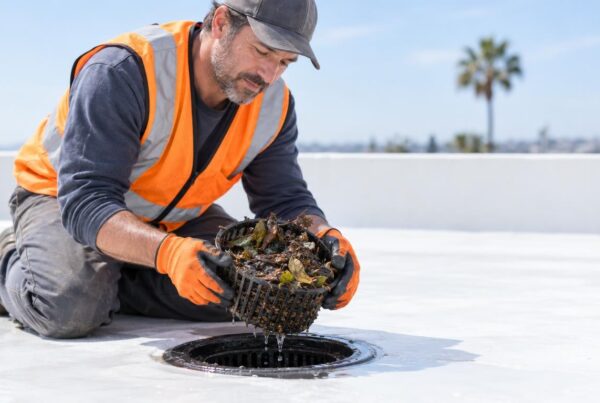
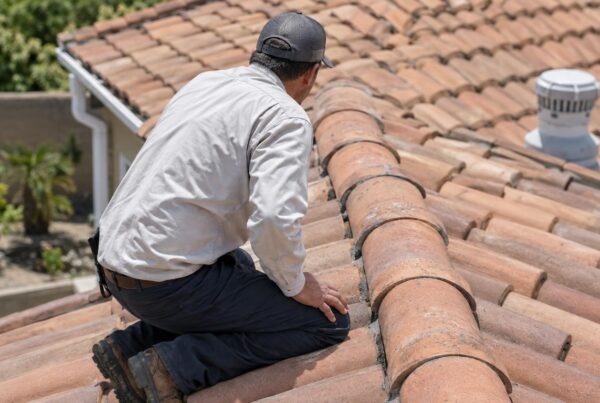
We begin by reviewing the roof type, age, and any leaks, stains, or unusual wear you have noticed. On the roof, an inspector looks closely at vulnerable details and checks for visible moisture intrusion or soft decking. Access and safety conditions determine which areas can be assessed; an inspection should not require anyone to step onto an unsafe surface.
Our roof inspection service includes an explanation of the findings and practical next steps. We advertise free roof inspections; if you own a commercial building, ask us when you call whether the offer applies. For a broader list of areas worth discussing before an appointment, see our roof inspection checklist.
Which roof components does the inspector check?
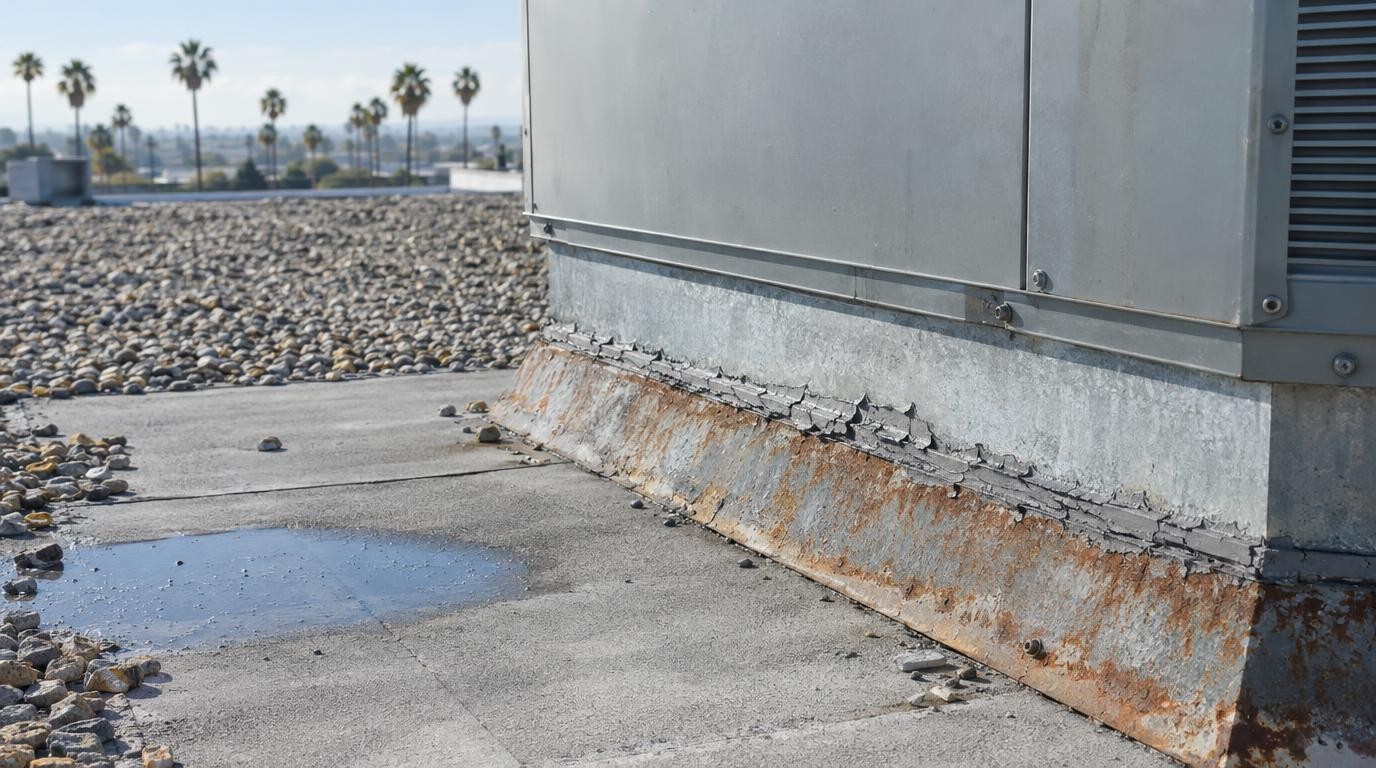
We check the roofing surface, flashing, sealants, and transitions where roof sections or materials meet. We also assess penetrations such as vents and skylights, along with gutters, valleys, drains, and low-slope areas. Around rooftop equipment, the condition of the surrounding flashing and sealants matters because those details help keep water out.
How do inspections differ for low-slope and pitched commercial roofs?
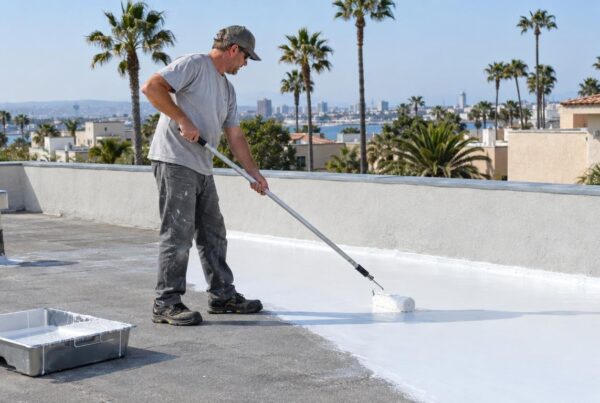
On low-slope roofs, we focus on drainage and places where water collects; on pitched roofs, we look closely at damaged materials, valleys, and flashing. We inspect low-slope, shingle, tile, and metal roofing systems.
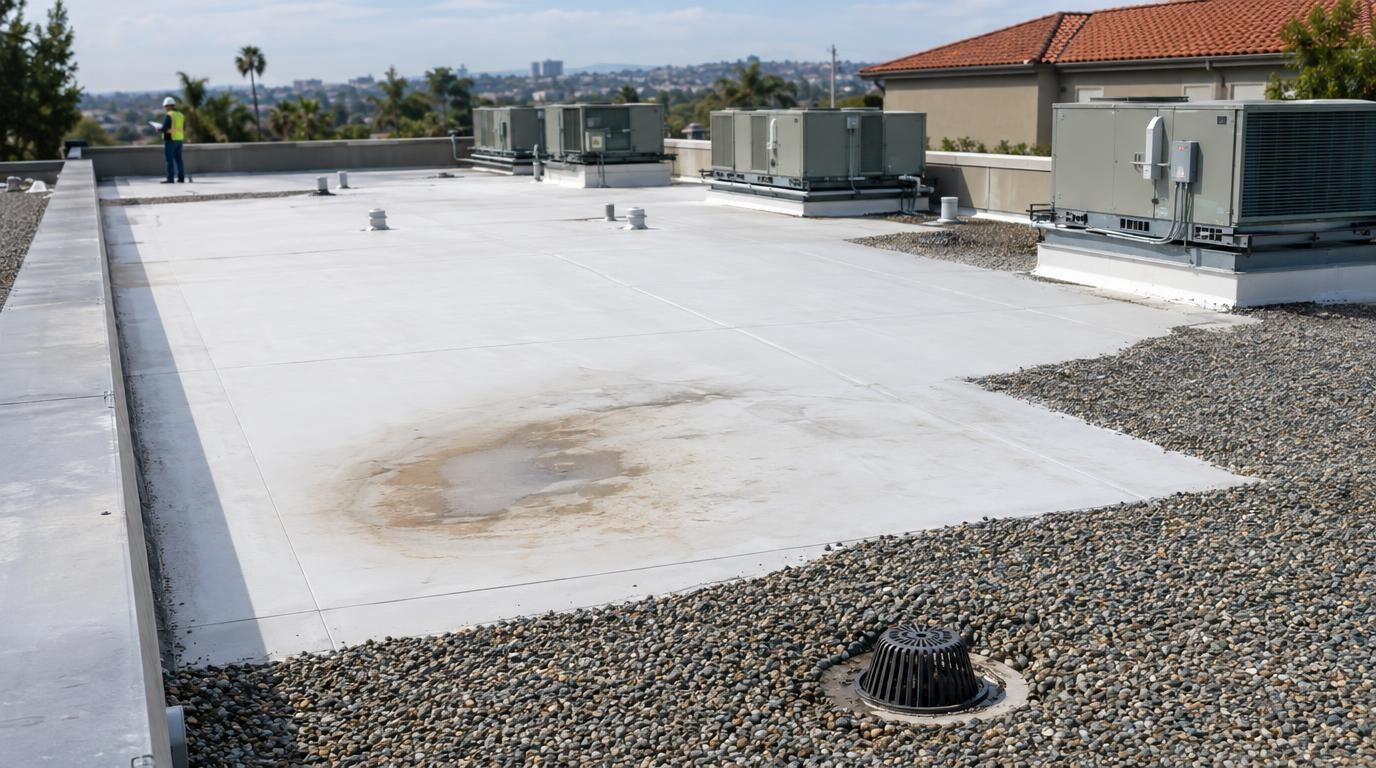
The roof type helps determine where an inspector concentrates:
| Roof type | Areas needing close attention |
|---|---|
| Low-slope | Surface condition, sealants, penetrations, drains, and places where water collects |
| Pitched shingle, tile, or metal | Loose or damaged materials, flashing, valleys, and transitions |
What needs closer attention on a low-slope roof?
Water collecting around a drain can indicate a drainage problem. We also check for wear near rooftop HVAC equipment and other penetrations. For related information, see our guide to flat roofing in San Diego.
What does an inspector look for on shingle, tile, or metal roofs?
On pitched roofs, we look for cracked tiles, missing shingles, loose metal roofing, and damage around vents or skylights. Valleys and transitions deserve attention because they channel rainwater.
When should you schedule a commercial roof inspection?
Schedule a commercial roof inspection when you notice a leak, interior stain, missing material, or unusual wear; after strong winds or heavy rain; or before rainy season. A pre-purchase inspection and an assessment before rooftop upgrades can also inform planning. An annual inspection is a maintenance option, not a universal commercial requirement.
Should you inspect a commercial roof before buying the property?
Yes. A pre-purchase roof inspection can help a buyer understand visible roof conditions and discuss likely repair or maintenance needs before making decisions about the property. Share known leak history and any available roof records so the inspector can focus on relevant concerns. The inspection cannot guarantee the condition of concealed materials or a particular remaining roof life.
Safe access matters during a property transaction. A National Institute for Occupational Safety and Health investigation into a fatal fall during a commercial-warehouse roof inspection identified an unguarded skylight and lack of fall protection as contributing hazards. Ask how access and rooftop hazards will be handled rather than arranging an informal walk-through yourself.
Is an annual roof inspection enough after severe weather?
Not necessarily. An annual commercial roof inspection can establish a useful maintenance baseline, but new stains, displaced materials, or other signs of damage warrant another assessment after severe weather. In San Diego, intense sun and coastal salt air can accelerate wear on sealants and flashing, making those details worth checking before rainy season as well.
Can a commercial roof inspection find the source of a leak?
A commercial roof leak inspection can often identify likely water entry points by examining flashing, penetrations, transitions, drainage, and visible signs of moisture intrusion. The indoor stain may be some distance from the opening because water can travel beneath roofing materials. A visual inspection alone cannot reliably locate every concealed leak.
Tell the inspector where and when water appeared, and note whether it followed rain or activity around rooftop equipment. That history helps narrow the search. For equipment-related concerns, our guide to roof flashing around HVAC units explains why the connection between the unit and roof deserves a close look.
Can a drone roof inspection replace an on-roof evaluation?
A drone can provide aerial images of the roof, but those images may miss deteriorated sealants and cannot establish whether decking is soft or moisture is concealed beneath the surface. A close on-roof evaluation, where safe access permits, allows an inspector to examine details around penetrations, flashing, and drains more directly. Gastelum Roofing’s inspection approach centers on that close assessment.
Aerial views may help document areas that are difficult to see from the ground. If roof access is restricted, ask which areas can be assessed and which concerns would remain unresolved.
What should you do with the roof condition assessment?
Use a commercial roof condition assessment to separate issues needing prompt repair from conditions that can be monitored through maintenance. Gastelum Roofing explains findings in plain language, outlines practical options, and provides an estimate and plan if work is needed. Major damage or an aging roof may call for a replacement discussion instead of repeated minor repairs.
How do inspection findings guide repair, maintenance, or replacement?
Start with the observed condition and the consequence of leaving each issue unaddressed. A localized flashing problem may point to a repair, while widespread deterioration may change the discussion to replacement. The useful distinction is not simply whether a roof looks worn, but whether the vulnerable detail is isolated or part of a broader pattern. If replacement is recommended, do not judge a proposal by its total alone. Compare the documented roof condition, the proposed scope and materials, whether repair remains viable, and detailed written proposals from contractors. We can review a written proposal from another reputable contractor and explain how it compares with our recommendations.
Does a commercial roof inspection include a roof certification?
A roof certification, written report, or guarantee of remaining service life is not automatically included in an inspection. If a buyer, insurer, or other party needs particular documentation, confirm what the inspection will provide before scheduling.
How do you choose a contractor for a commercial roof inspection?
Choose a contractor who can explain the inspection scope, address rooftop safety, and distinguish observed problems from assumptions. Verify licensing and insurance, and ask which roof areas can be assessed. We are licensed, bonded, and insured, complete our work in-house, and offer no-pressure roof inspections. Confirm that your commercial roof falls within the scope of our inspection service before scheduling.
What are the red flags to watch for when hiring a roofer?
Be cautious if the inspection scope is vague, the contractor cannot explain a finding, or a replacement recommendation is presented as urgent without supporting observations. Ask about safe access around skylights and roof openings. National Institute for Occupational Safety and Health guidance on skylights and roof openings advises identifying fall hazards before roof work begins and never stepping on a skylight lens.
Why do I keep getting calls about roof inspections?
Unsolicited roof inspection calls may be marketing; the call itself does not show that your roof is damaged. If a caller claims to represent a contractor, verify the business independently before discussing the property or arranging roof access. You can decide whether an inspection makes sense based on observed conditions, recent weather, and your maintenance plans rather than the call itself.
Frequently Asked Questions
Can regular foot traffic damage a commercial roof without causing a visible leak?
Yes. Repeated foot traffic can wear roofing materials before a leak appears. At Gastelum Roofing, we check for areas aging faster because of foot traffic and examine the roofing around rooftop equipment. Tell us which routes maintenance crews use so those areas receive close attention during the inspection.
Should shaded sections of a commercial roof be inspected differently?
Yes. Shaded sections can age differently from areas exposed to intense sun. At Gastelum Roofing, we look for uneven wear associated with shade, heat exposure, and foot traffic rather than assuming every part of the roof is in the same condition. What we find helps determine which areas need attention.
Do roof inspectors check flashing around chimneys on commercial buildings?
Yes, when a commercial roof has a chimney and the area is safely accessible, chimney flashing is a relevant inspection point. At Gastelum Roofing, we assess penetrations, flashing, and sealants for visible damage or deterioration that could let water in. Tell us about any stains near the chimney before the inspection.
What if a commercial roof has translucent fiberglass panels?
Treat translucent fiberglass panels as potential fall hazards, not walking surfaces. Identify any panels between metal roof panels, and mark them with warning signs, guard them, or replace them with stronger materials. Tell the inspector where these panels are before roof access is planned.
Is a roof hatch cover safe to step on if it looks secure?
No. A roof hatch or opening cover may not support your weight even if it looks secure, so do not step on it. Flag uncertain covers before anyone accesses the roof.
Should I schedule a roof inspection before installing solar panels on a commercial building?
Yes. An inspection before solar installation can identify visible roofing issues that may need attention before equipment is added. At Gastelum Roofing, we examine roofing materials, flashing, penetrations, and drainage and explain what needs repair or monitoring. Tell us about the planned installation when arranging the inspection so we can confirm its scope.
How can you plan your next commercial roof inspection?
Document any leaks, stains, or areas of concern, identify the roof type if you know it, and note recent weather exposure or planned rooftop work.
San Diego commercial property owners can call us at 760-295-6593 with details about the building, roof access, and concerns they want assessed. We can confirm whether we can inspect the property and what the inspection would cover.