Last updated: August 7, 2026
Flat roofing systems offer practical advantages for many San Diego properties, and understanding how to select, install, and maintain these systems ensures long-term performance. With the California Contractors State License Board hosting upcoming industry meetings, now is an ideal time for property owners to explore what makes flat roofing a smart choice for Southern California.
What Does the August 2026 CSLB Meeting Mean for San Diego Flat Roofing Contractors?
The California Contractors State License Board has scheduled a committee meeting for August 4, 2026, along with a Get Licensed to Build Workshop on August 7, 2026, highlighting ongoing regulatory activity that affects roofing contractors statewide. For San Diego-area property owners, these events underscore the importance of working with properly licensed professionals for any flat roofing project.
What is the CSLB and Why Does It Matter for Roofing in California?
The CSLB regulates nearly 300,000 contractors across 44 license classifications, ensuring professional standards and consumer protections throughout the state. For flat roofing work, the board’s oversight ensures contractors meet established qualifications and follow building codes that protect property owners.
How Does CSLB Licensing Protect San Diego Property Owners?
Licensed flat roofing contractors must pass comprehensive examinations, maintain liability insurance, and meet experience requirements before operating legally in California. Property owners who hire licensed professionals gain access to the CSLB’s complaint resolution process and assurance that their contractor adheres to state standards. The C-39 Roofing Contractor classification specifically covers flat roof installation, repair, and waterproofing systems.
What Is Flat Roofing and Why Is It Popular in San Diego?
Flat roofing refers to roof systems with minimal slope, typically with a pitch of three inches or less per foot, designed to provide a nearly level surface. These systems have gained popularity across San Diego County communities including La Mesa, Escondido, and Carlsbad for their practical benefits and modern aesthetics.
What Building Types Benefit Most from Flat Roofs in Southern California?
Commercial buildings, industrial facilities, apartment complexes, and modern residential homes commonly feature flat roofing designs. The level surface accommodates rooftop HVAC units, solar panel installations, and outdoor living spaces that San Diego property owners frequently value.
How Does San Diego’s Climate Affect Flat Roof Performance?
San Diego’s abundant sunshine, coastal humidity, and limited rainfall create specific considerations for flat roof performance. Intense UV exposure, temperature fluctuations between day and night, and salt air in coastal areas like Carlsbad and Chula Vista all influence how flat roof materials age and function over time. Professional roofers familiar with Southern California conditions select and install systems that address these regional factors.
What Are the Best Flat Roof Materials for San Diego Properties?
San Diego property owners have several proven material options for flat roofing, each offering distinct performance characteristics suited to the region’s climate. Selecting the appropriate material depends on building type, exposure conditions, and intended use of the roof space.
How Do Single-Ply Membranes Perform in Southern California?
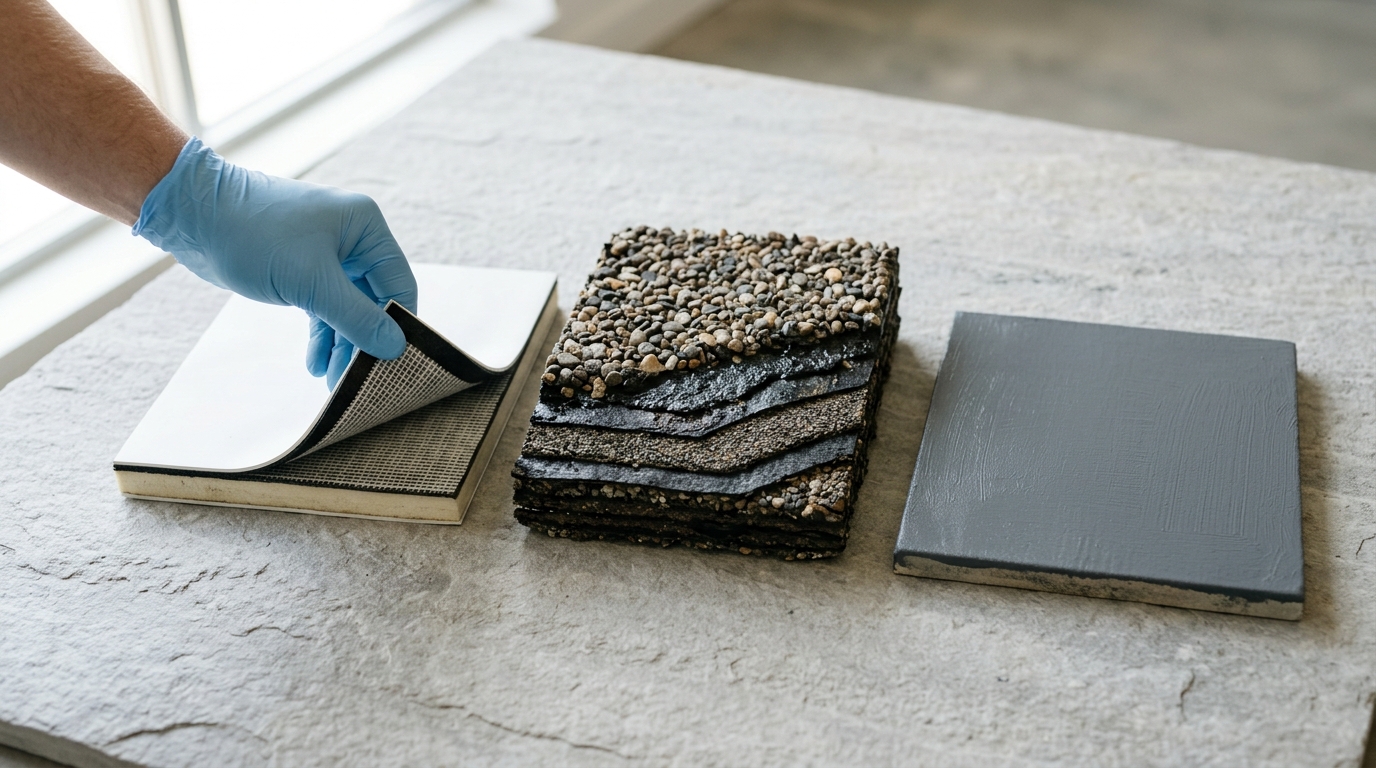
Single-ply membranes are prefabricated sheets installed in one layer over the roof substrate, with TPO and EPDM being common varieties. These materials perform well in Southern California’s sun exposure due to their UV resistance and heat-reflective properties. Lightweight yet durable, single-ply systems suit both commercial flat roofing applications and residential installations.
What Flat Roof Coating Options Work Best for Sun Exposure?
Elastomeric coatings provide a protective layer over existing flat roofs, offering waterproofing and UV reflection. Acrylic coatings deliver excellent sun reflection at a moderate price point, while silicone coatings resist ponding water effectively. These coatings expand and contract with temperature changes, maintaining a seamless, protective surface that handles San Diego’s sunny conditions.
How Does Built-Up Roofing Compare for Durability?
Built-up roofing consists of multiple layers of bitumen and reinforcing fabric, finished with a mineral surface. This traditional approach provides proven long-term durability and excellent waterproofing. The mineral surface finish offers fire resistance and handles foot traffic well, making built-up systems suitable for buildings requiring a durable, low-maintenance flat roof.
How Do You Know When Your San Diego Flat Roof Needs Professional Attention?
Recognizing the signs of flat roof wear early allows property owners to address problems before they escalate. Regular observation helps identify when repair or replacement becomes necessary, protecting the building’s structural integrity and interior contents. Learn when flat roofing repair is the right call and when replacement may better protect your San Diego property.
What Are the Early Warning Signs of Flat Roof Damage?
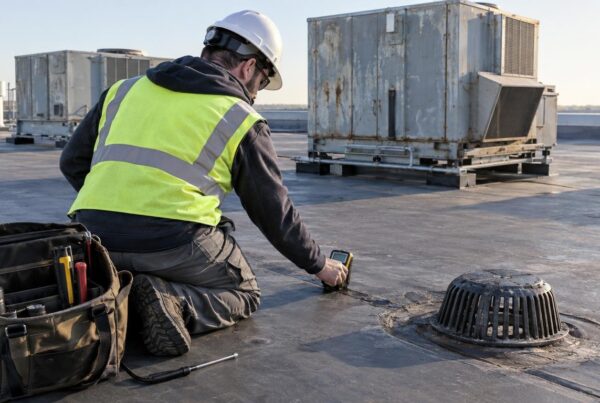
Visible water stains on ceilings, blistering or bubbling on the roof surface, and sagging areas indicate potential problems requiring professional assessment. Membrane shrinkage, separated seams, and ponding water that remains more than 48 hours after rainfall also signal the need for expert evaluation.
How Does San Diego’s Seasonal Weather Stress Flat Roof Systems?
Summer heat causes roofing materials to expand and contract, accelerating wear at seams and flashing points. Temperature swings between warm days and cooler evenings in communities like Poway and Santee create thermal stress. Occasional heavy rains test drainage systems, and coastal salt air in El Cajon and surrounding areas can accelerate material degradation over time.
What Does Professional Flat Roof Installation Involve in San Diego?
Quality flat roof installation follows a systematic process that ensures lasting performance and leak protection. Professional contractors bring specialized training, proper equipment, and knowledge of local building requirements to every project.
How Does Proper Flat Roof Installation Protect Against Leaks?
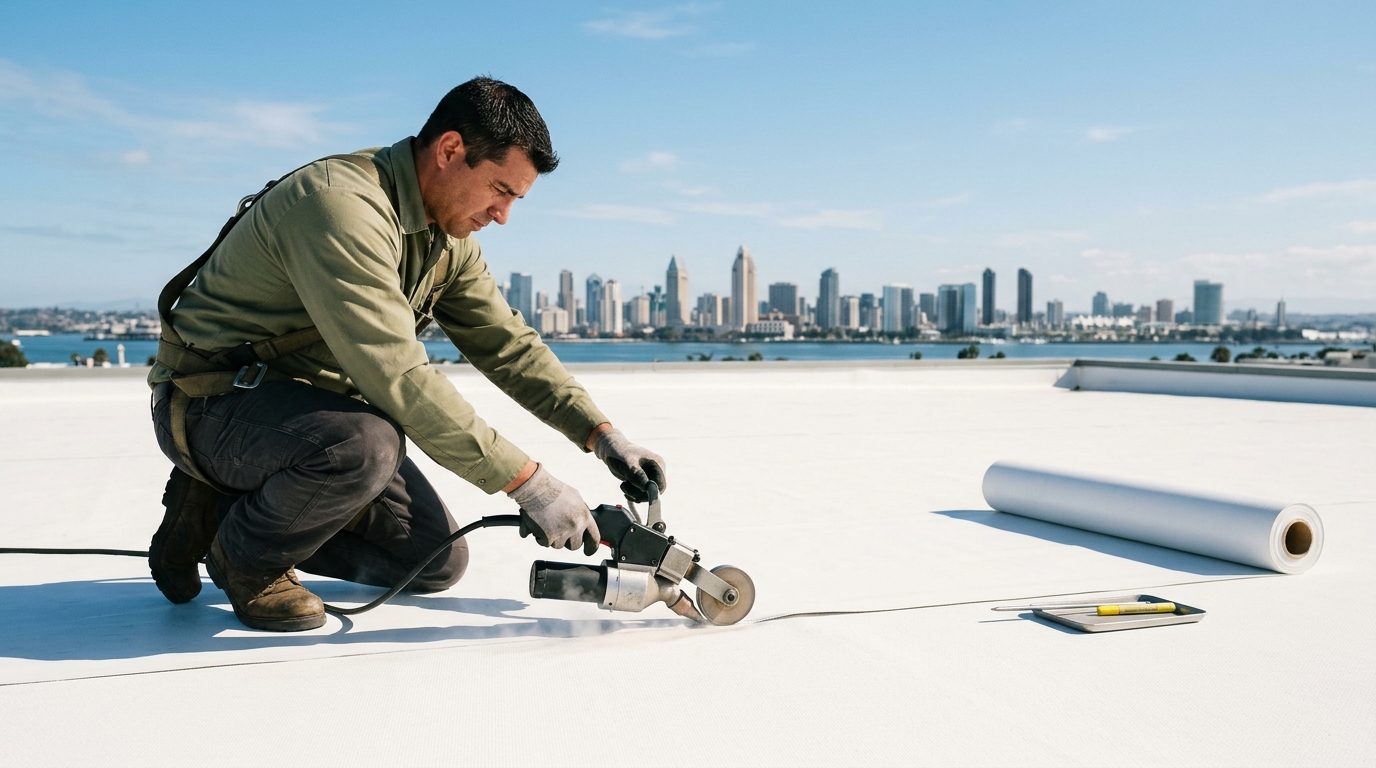
Professional installation begins with assessing the existing substrate and preparing the surface properly before any new materials are applied. Membrane installation requires precise overlapping, heat welding for single-ply systems, and thorough flashing at walls, penetrations, and edges. Every seam and connection point receives careful attention to create a continuous waterproof barrier.
What Steps Ensure a Lasting Flat Roof System in Southern California?
Quality installation involves comprehensive surface preparation, precise material application, and attention to details like edge securement and drainage slope. Professional contractors verify proper ventilation, select materials suited to the specific exposure conditions, and conduct water testing after installation to confirm watertight performance. These systematic steps distinguish professional work that protects the building investment for decades.
How Do You Choose the Right Flat Roofing Contractor in San Diego County?
Selecting a qualified contractor protects property owners from poor workmanship and ensures projects meet local building codes. Several verification steps help identify professionals who deliver quality results.
What Should You Verify Before Hiring a Roofing Contractor in La Mesa or Escondido?
Before signing any agreement, property owners should confirm the contractor holds an active C-39 license through the CSLB website, verify current insurance coverage, and request references from recent projects. Detailed written estimates, clear scope descriptions, and straightforward communication indicate professional operations worth considering.
How Does the C-39 License Classification Ensure Quality Flat Roof Work?
The C-39 Roofing Contractor license requires passing trade and business law examinations along with documented field experience. This classification demonstrates specialized knowledge in roofing systems, including flat roof installation and repair techniques. Property owners can trust that C-39 licensed contractors understand California building requirements and industry standards.
How Can Regular Maintenance Extend Your Flat Roof’s Lifespan in San Diego?
Consistent maintenance protects flat roof investments by catching minor issues before they become major problems. A proactive approach preserves system performance and delays the need for premature replacement.
What Maintenance Schedule Protects Flat Roofs in Carlsbad and Chula Vista?
Property owners should schedule professional inspections at least twice annually, ideally in spring and fall, to assess condition and address seasonal wear. Clearing debris from drains and gutters prevents water accumulation, while trimming overhanging branches reduces debris and potential damage. Documentation of inspection findings helps track the roof’s condition over time.
How Does Preventative Care Prevent Costly Flat Roof Repairs?
Regular maintenance identifies small punctures, seam separations, and flashing issues before water intrusion causes interior damage or structural deterioration. Prompt attention to these minor repairs costs significantly less than addressing water damage, mold remediation, or complete roof replacement. Preventative care extends the roof’s serviceable lifespan while maintaining reliable protection for the building.
Why Partner with a C-39 Licensed San Diego Flat Roofing Expert for Your Property?
Understanding flat roofing systems empowers San Diego property owners to make informed decisions about installation, maintenance, and contractor selection. Professional guidance ensures these investments perform reliably through Southern California’s unique climate conditions.
Gastelum Roofing provides expert flat roofing services throughout San Diego County, including La Mesa, Escondido, Carlsbad, Chula Vista, Santee, Poway, and El Cajon. Their team of C-39 licensed professionals offers comprehensive flat roof installation, repair, and maintenance solutions tailored to regional conditions. Property owners seeking personalized consultation can contact Gastelum Roofing directly at 760-295-6593 to discuss their specific roofing needs and discover how professional expertise protects their building investment.
Frequently Asked Questions
What is flat roofing and why is it a popular choice in San Diego?
Flat roofing refers to roof systems with minimal slope, typically three inches or less per foot, providing a nearly level surface. These systems have gained popularity in San Diego for accommodating rooftop HVAC units, solar panel installations, and outdoor living spaces. Modern aesthetics and practical benefits make flat roofs ideal for commercial buildings, industrial facilities, apartment complexes, and contemporary residential homes across La Mesa, Escondido, and Carlsbad.
How does San Diego’s coastal climate affect flat roof performance?
San Diego’s abundant sunshine, coastal humidity, and limited rainfall create specific considerations for flat roof performance. Intense UV exposure and temperature fluctuations between warm days and cooler evenings in communities like Poway and Santee cause thermal stress. Salt air in coastal areas such as Carlsbad and Chula Vista accelerates material degradation over time. Professional roofers familiar with Southern California conditions select and install systems that address these regional factors.
What are the best flat roof materials for San Diego’s sunny conditions?
Single-ply membranes (TPO and EPDM) perform well due to UV resistance and heat-reflective properties. Elastomeric coatings offer waterproofing and UV reflection, with acrylic coatings providing excellent sun reflection at moderate cost and silicone coatings resisting ponding water effectively. Built-up roofing delivers proven long-term durability with fire resistance and handles foot traffic well. Material selection depends on building type, exposure conditions, and intended use of the roof space.
What are the warning signs that your flat roof needs professional attention?
Visible water stains on ceilings, blistering or bubbling on the roof surface, and sagging areas indicate potential problems requiring professional assessment. Membrane shrinkage, separated seams, and ponding water that remains more than 48 hours after rainfall also signal the need for expert evaluation. Early recognition of these signs allows property owners to address problems before they escalate and protect the building’s structural integrity.
What maintenance schedule protects flat roofs in Southern California?
Property owners should schedule professional inspections at least twice annually, ideally in spring and fall, to assess condition and address seasonal wear. Clearing debris from drains and gutters prevents water accumulation, while trimming overhanging branches reduces debris and potential damage. Documentation of inspection findings helps track the roof’s condition over time and supports informed maintenance decisions.
What should you verify before hiring a flat roofing contractor in San Diego County?
Before signing any agreement, confirm the contractor holds an active C-39 license through the CSLB website, verify current insurance coverage, and request references from recent projects. The C-39 Roofing Contractor classification specifically covers flat roof installation, repair, and waterproofing systems. Detailed written estimates, clear scope descriptions, and straightforward communication indicate professional operations worth considering.
What does professional flat roof installation involve for lasting performance?
Professional installation begins with assessing the existing substrate and preparing the surface properly before new materials are applied. Membrane installation requires precise overlapping, heat welding for single-ply systems, and thorough flashing at walls, penetrations, and edges. Quality installation also involves verifying proper ventilation, selecting materials suited to specific exposure conditions, and conducting water testing after installation to confirm watertight performance and protect the building investment for decades.