
Last updated: September 14, 2026
San Diego homeowners face a stark reality: wildfire vulnerability has intensified across the county over the past decade, with entire neighborhoods destroyed while homes with steel roofing consistently survive. This pattern, repeatedly documented by local contractors and insurers, has transformed metal roofing from a mere aesthetic upgrade into a fire-survivability solution that may also lower insurance premiums.
Why Is Metal Roofing Becoming Essential for San Diego Homeowners?
Steel roofing addresses two critical concerns for San Diego homeowners: escalating wildfire risk and rising insurance costs. This roofing option provides the highest level of fire protection available, while insurers increasingly recognize its protective value. For homeowners in fire-prone areas like Carlsbad, Escondido, and Santee, upgrading to this protection represents both a safety investment and a potential financial strategy. Consulting with Gastelum Roofing’s services can help evaluate the best options for your property.
What Wildfire Risks Do Carlsbad and San Diego Properties Face?
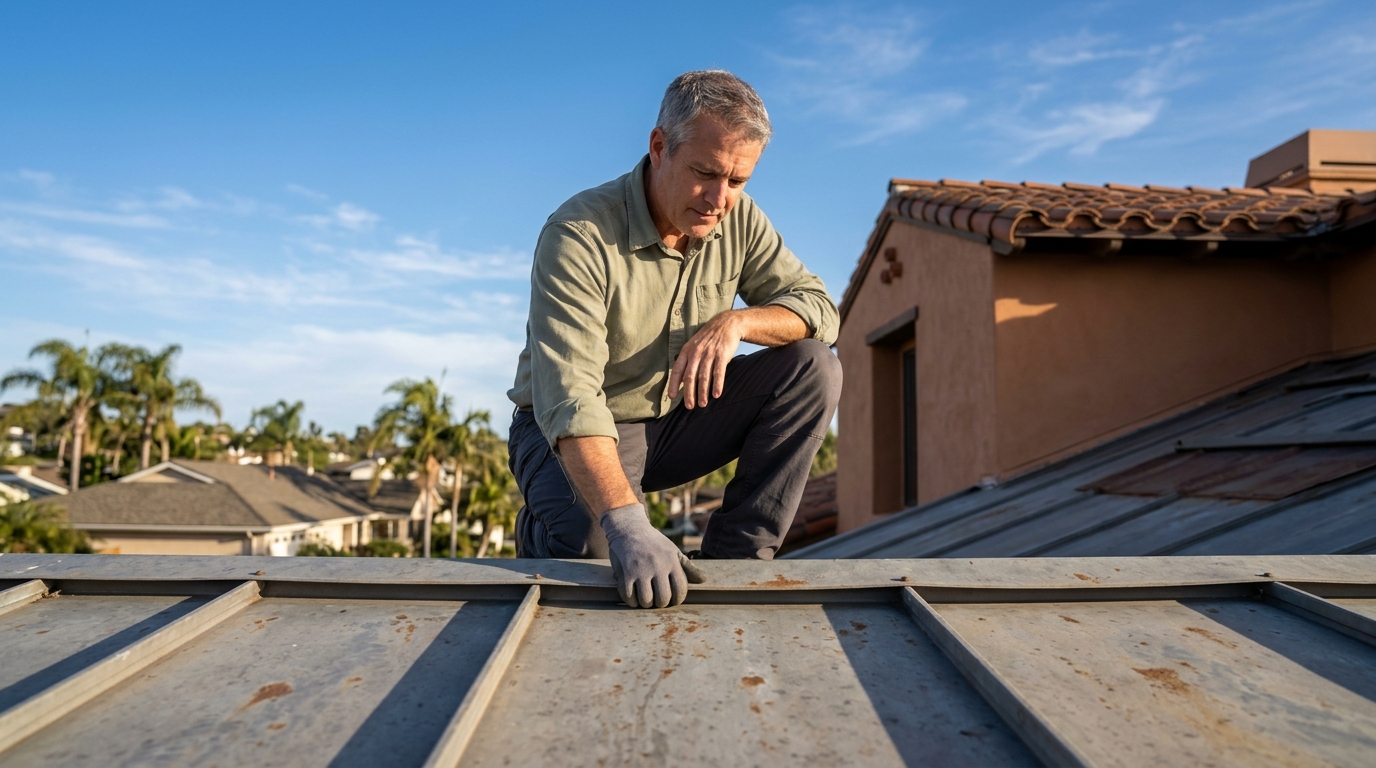
San Diego County has experienced devastating wildfire seasons over the past decade, with entire blocks destroyed in multiple major fires. The county’s terrain, climate, and vegetation create ongoing risk that extends beyond traditional fire season. Homes in communities like Poway, El Cajon, and La Mesa sit in or near high-risk zones where ember storms and direct flame contact threaten properties annually. This persistent vulnerability makes fire-resistant building materials a practical necessity rather than a precautionary measure.
How Can a Metal Roof Lower Home Insurance Premiums?
Insurers in California now factor wildfire risk heavily into premium calculations, with rates rising more sharply in disaster-prone areas according to a U.S. Government Accountability Office report. Homes equipped with Class A fire-rated steel roofing often qualify for premium reductions because the material dramatically reduces the likelihood of total loss during wildfires. This potential savings can meaningfully offset the investment in upgraded roofing while providing irreplaceable protection for families and property.
What Is Class A Fire Rating and Why Does It Matter?
Class A fire rating represents the highest classification under UL 790 testing standards, indicating a roofing material provides effective fire resistance against severe exposure. Steel roofing achieves this rating inherently due to its incombustible composition, meaning it will not ignite or contribute fuel to a fire regardless of circumstances.
How Does Steel Roofing Achieve Zero Combustibility?
Steel does not burn, melt at typical fire temperatures, or release flammable gases when exposed to heat. Unlike asphalt shingles, which ignite readily, or wood shakes that provide direct fuel, steel roofing resists ignition from both direct flames and airborne embers. This zero combustibility rating means this roofing option cannot contribute to fire spread, creating a critical defensive barrier between a wildfire and the interior of a home. For San Diego homeowners, this technical foundation translates directly into survival odds during wildfire events.
How Does Metal Roofing Perform in Actual Wildfires?
Real-world performance data from San Diego County wildfires consistently demonstrates that steel roofs survive where other roofing materials fail. The documented pattern shows homes with asphalt shingle roofs suffering total loss while adjacent properties with metal roofs remain intact, even when surrounded by active flames and heavy ember exposure.
What Do Insurers and Contractors Observe After Wildfires?
Insurance adjusters and roofing contractors working in San Diego County have observed this survival pattern repeatedly across multiple wildfire events. Their field observations confirm that steel roofing prevents ember ignition beneath panels, resists flame impingement on the roof surface, and maintains structural integrity when other roof types collapse. This documented evidence validates this roofing option as a fire-survivability investment rather than merely an aesthetic choice, providing homeowners with credible reassurance based on local experience rather than laboratory testing alone.
What Are the Different Styles of Metal Roofing?
Steel roofing encompasses two primary panel styles, each suited to different aesthetic preferences and budget considerations. Standing seam metal roofs feature raised seams running vertically with concealed fasteners, creating a sleek, contemporary appearance. Corrugated metal roofing uses visible fasteners and a wavy profile for a more traditional aesthetic. Both styles provide Class A fire ratings and exceptional durability.
How Does Standing Seam Compare to Corrugated Metal Roofing?
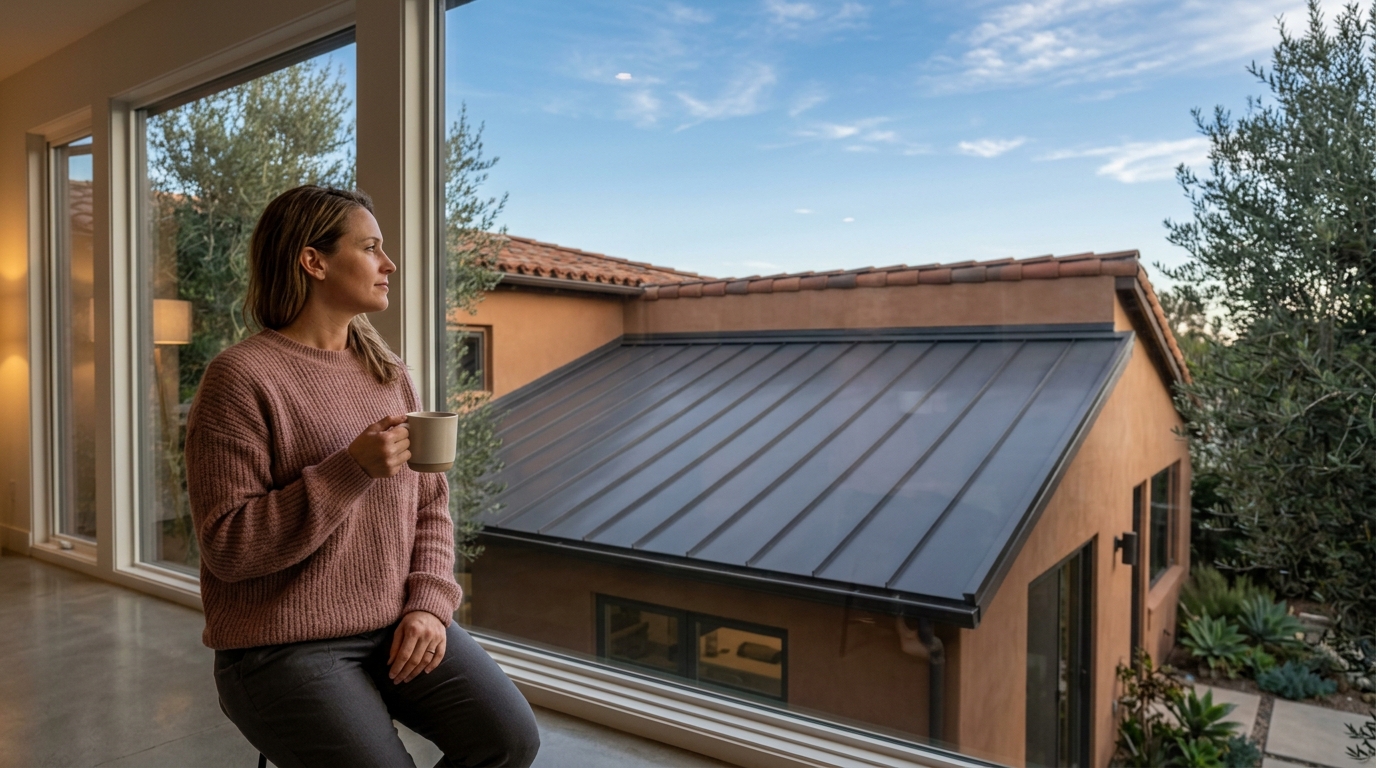
Standing seam panels offer cleaner lines and hidden fasteners that reduce potential leak points and provide a more modern look favored for contemporary homes in communities like La Mesa and Carlsbad. Corrugated panels deliver a classic appearance at a lower price point while maintaining excellent fire resistance and weatherproofing capabilities. Both materials perform admirably in wildfire scenarios, so the choice depends primarily on aesthetic preference and budget rather than protective capability.
Which Metal Roof Style Suits My San Diego Home?
Selecting between standing seam and corrugated steel roofing involves weighing several practical considerations. Standing seam suits homeowners seeking modern curb appeal and maximum weatherproofing performance. Corrugated appeals to those preferring traditional aesthetics with reliable protection. Material selection also matters: steel offers superior dent resistance for areas prone to hail, while aluminum provides better corrosion resistance for coastal properties in Chula Vista and Carlsbad exposed to salt air. Homeowners should evaluate their specific location, architectural style, and priorities when choosing.
Can I Install Solar Panels on a Metal Roof?
Steel roofing excels as a solar panel mounting platform, making it an ideal choice for San Diego homeowners seeking to combine fire protection with energy independence. The rigid, durable surface accommodates solar installations without penetrating the roof in ways that compromise weatherproofing or fire resistance.
Standing seam metal roofs particularly suit solar installations because mounting clamps attach directly to the raised seams without requiring any roof penetrations at all. This approach preserves the roof’s integrity completely while providing secure, adjustable solar panel positioning. Corrugated steel roofing also accepts solar mounting with properly designed bracket systems. For energy-conscious homeowners in Escondido, Santee, and throughout San Diego County, pairing a fire-resistant metal roof with solar panels represents a forward-thinking investment in both property protection and sustainable energy production.
How Durable Is Metal Roofing Beyond Fire Resistance?
Steel roofing delivers exceptional durability across multiple dimensions, with lifespans typically exceeding 40 to 60 years compared to 15 to 30 years for asphalt shingles. Beyond fire protection, steel and aluminum roofing resist cracking, warping, and erosion that degrade other roofing materials over time, providing long-term value that rewards the initial investment.
What Maintenance Does a Metal Roof Require?
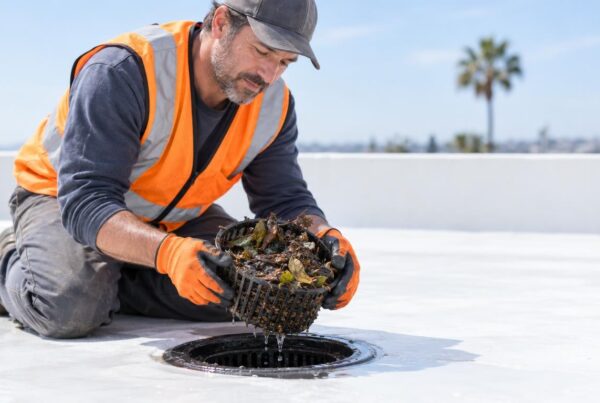
Metal roofing demands minimal ongoing maintenance compared to other residential roofing options. Periodic inspections for loose fasteners, occasional cleaning to remove debris, and clearing gutters represent the primary maintenance tasks. Unlike asphalt shingles that require replacement every 15 to 20 years, steel panels maintain their performance and appearance with straightforward care routines. The non-porous surface resists moss and algae growth naturally, further reducing maintenance burden for homeowners throughout San Diego County.
How Does Metal Roofing Handle San Diego’s Coastal Climate?
San Diego’s climate presents unique challenges including intense sun exposure, coastal humidity, and occasional heavy rains. Steel roofing handles these conditions effectively, with aluminum particularly well-suited for coastal properties in Carlsbad and Chula Vista where salt air accelerates corrosion on less resistant materials. Properly coated steel and aluminum panels resist rust, maintain their color under UV exposure, and shed water efficiently during seasonal storms. This climate adaptability reinforces this roofing option’s position as a practical, long-term solution for Southern California homeowners. Explore metal roofing colors to learn how to choose a finish and verify its appearance in San Diego sunlight.
Is Metal Roofing the Right Fire Protection Upgrade for Your San Diego Home?
For San Diego homeowners evaluating roofing investments, steel roofing delivers a compelling combination of fire survivability, potential insurance savings, durability, and energy compatibility. The documented survival pattern in local wildfires, combined with Class A fire ratings and minimal maintenance requirements, positions metal roofing as the most effective fire protection upgrade available. While every home presents unique considerations, the evidence supporting steel roofing as a wildfire-risk mitigation strategy continues to strengthen.
Making an informed decision about roof replacement requires professional assessment of your specific property, budget, and priorities. Gastelum Roofing, a San Diego-based metal roofing contractor, provides consultations to help homeowners evaluate whether steel roofing suits their situation. Their team understands local wildfire risks, insurance considerations, and the practical realities of metal roof installation throughout San Diego County.
Homeowners in Carlsbad, Escondido, Santee, and surrounding communities interested in exploring metal roofing options can learn more about metal roofing for fire protection and energy savings or schedule a consultation by calling 760-295-6593. Speaking with experienced professionals who understand both the technical advantages and the local market context can help determine whether this roofing option represents the right investment for your property and peace of mind.
Frequently Asked Questions
What is Class A fire rating and why does it matter for San Diego roofing?
Class A fire rating is the highest classification under UL 790 testing standards, indicating a roofing material provides effective fire resistance against severe exposure. Steel roofing achieves this rating inherently due to its incombustible composition. This rating matters because it means the roof will not ignite or contribute fuel to a fire, providing critical protection during wildfire events.
How long does metal roofing last compared to asphalt shingles?
Steel roofing delivers exceptional durability with lifespans typically exceeding 40 to 60 years compared to 15 to 30 years for asphalt shingles. Beyond fire protection, steel and aluminum roofing resists cracking, warping, and erosion that degrade other roofing materials over time, providing long-term value that rewards the initial investment.
Can I install solar panels on a metal roof?
Steel roofing excels as a solar panel mounting platform. The rigid, durable surface accommodates solar installations without compromising weatherproofing or fire resistance. Standing seam roofs particularly suit solar installations because mounting clamps attach directly to raised seams without requiring any roof penetrations, preserving the roof’s integrity completely while providing secure, adjustable solar panel positioning.
What are the different styles of metal roofing available?
Steel roofing encompasses two primary panel styles. Standing seam metal roofs feature raised seams running vertically with concealed fasteners, creating a sleek, contemporary appearance. Corrugated metal roofing uses visible fasteners and a wavy profile for a more traditional aesthetic. Both styles provide Class A fire ratings and exceptional durability for San Diego homes.
How does steel roofing achieve zero combustibility?
Steel does not burn, melt at typical fire temperatures, or release flammable gases when exposed to heat. Unlike asphalt shingles, which ignite readily, or wood shakes that provide direct fuel, steel roofing resists ignition from both direct flames and airborne embers. This means a steel roof cannot contribute to fire spread, creating a critical barrier between a wildfire and the home interior.
What maintenance does a metal roof require?
Steel roofing requires minimal ongoing maintenance. Homeowners should perform periodic inspections for loose fasteners, occasional cleaning to remove debris, and clear gutters as needed. The non-porous surface naturally resists moss and algae growth, and unlike asphalt shingles that require replacement every 15 to 20 years, metal panels maintain their performance and appearance with straightforward care routines.
How does metal roofing perform in actual wildfires?
Real-world performance data from San Diego County wildfires consistently demonstrates that steel roofs survive where other roofing materials fail. Field observations confirm that steel roofing prevents ember ignition beneath panels, resists flame impingement on the roof surface, and maintains structural integrity when other roof types collapse. This documented evidence validates this roofing option as a fire-survivability investment.