
Last updated: August 30, 2026
San Diego’s commercial waterproofing industry has matured significantly, with large-scale specialists bringing decades of experience and advanced techniques to projects spanning the region. Companies like Angelus Waterproofing have completed substantial portfolios across California, including notable San Diego installations, demonstrating the sophisticated capabilities now available for building envelope protection. This expertise is increasingly relevant for property owners seeking professional roof sealing services that draw on commercial-grade methodologies. The techniques refined on convention centers, healthcare facilities, and higher education buildings translate directly to residential and commercial properties throughout the San Diego area, from Carlsbad to Chula Vista.
What the Rise of Large-Scale Waterproofing Means for San Diego Roof Sealing
Commercial waterproofing contractors serving San Diego have evolved into sophisticated specialists offering traffic coatings and comprehensive restoration services. Angelus Waterproofing reported completing over 2 million square feet of traffic coatings in 2024, with a portfolio spanning four decades and projects ranging from the San Diego Convention Center to healthcare facilities across the region. This scale of operation demands rigorous quality standards, advanced material selection, and trained application crews that smaller residential contractors often lack.
How Do Commercial Waterproofing Specialists Approach Roof Protection?
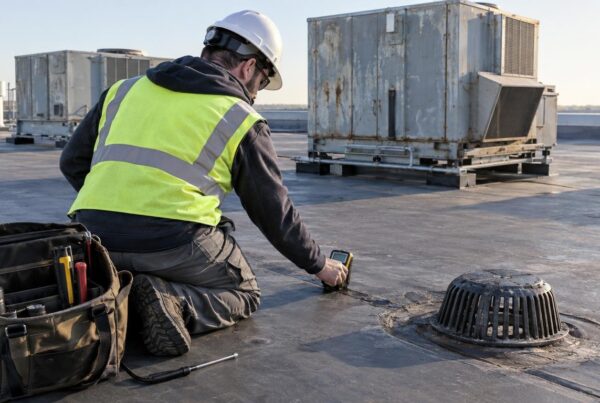
Commercial waterproofing firms approach roof protection as part of an integrated building envelope strategy. Rather than treating roofs in isolation, specialists assess how roof systems interact with walls, foundations, and drainage to create comprehensive moisture barriers. This systems-based thinking minimizes failure points and extends the lifespan of all building envelope components. The methodology emphasizes thorough surface preparation, multi-coat application, and detailed attention to joints, penetrations, and transitions.
What Can Property Owners Learn From Commercial-Scale Waterproofing Projects?
Property owners can apply commercial-grade principles to their own protective coating decisions regardless of building size. The emphasis on thorough preparation, quality materials, and professional application applies equally to a Carlsbad home and a Chula Vista commercial complex. Choosing contractors who understand commercial-grade techniques ensures residential projects receive the same methodical approach that protects large institutional buildings. This expertise transfer represents a significant opportunity for property owners seeking lasting protection.
What Is Roof Sealing and Why Does It Matter in San Diego?
Roof sealing is a protective treatment that creates a waterproof barrier over roof surfaces, preventing moisture penetration while defending against ultraviolet radiation and temperature extremes. Professional waterproofing involves applying specialized coatings or sealants that bond with roofing materials to form a seamless, durable protective layer. This service extends roof lifespan, reduces maintenance needs, and protects interior contents from water damage. For San Diego property owners, protective roof coating represents a proactive investment in property preservation.
How Does San Diego’s Climate Affect Roof Sealing Needs?
San Diego’s climate presents unique challenges for roof surfaces despite its mild reputation. Intense sun exposure during summer months subjects roofs to continuous ultraviolet radiation that degrades roofing materials over time. Coastal properties in areas like La Mesa and Carlsbad face additional salt air exposure that accelerates corrosion and material deterioration. While San Diego receives less rainfall than other regions, the concentrated wet season creates conditions where unprotected roofs can develop leaks quickly. Temperature fluctuations between coastal and inland areas like Escondido and Poway generate expansion and contraction stress that proper waterproofing accommodates.
What Types of Roofs Benefit Most From Professional Sealing?
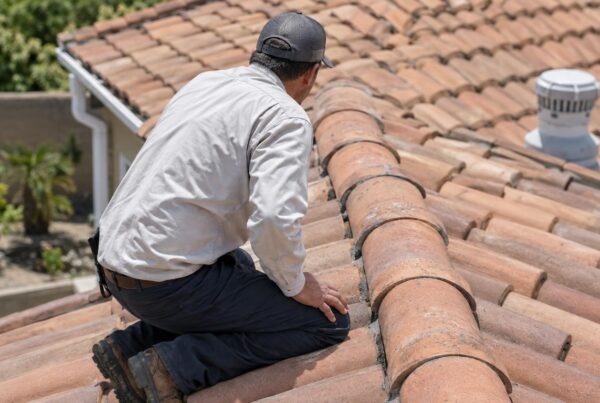
Flat roofs and low-slope surfaces receive the greatest benefit from professional sealing because water pools rather than runs off quickly. Commercial buildings throughout San Diego, Chula Vista, and El Cajon often feature flat roof designs that are ideal candidates for elastomeric coatings. Tile roofs common in residential properties across Santee and Poway also benefit significantly from professional sealing that protects underlayment and prevents water wicking beneath tiles. Even composition shingle roofs gain extended lifespan through protective treatments that resist algae growth and surface degradation.
What Are the Main Roof Sealing Methods Available?
Professional waterproofing employs several distinct methods, each suited to different roof types and protection requirements. Elastomeric coatings provide flexible, seamless membranes that accommodate building movement while maintaining waterproof integrity. Penetrating sealants soak into porous substrates to create internal water resistance without altering surface appearance. Surface sealants form durable outer layers that provide direct weather resistance and UV protection. Material selection depends on roof composition, age, condition, and the specific environmental challenges the property faces.
How Does Elastomeric Roof Coating Work?
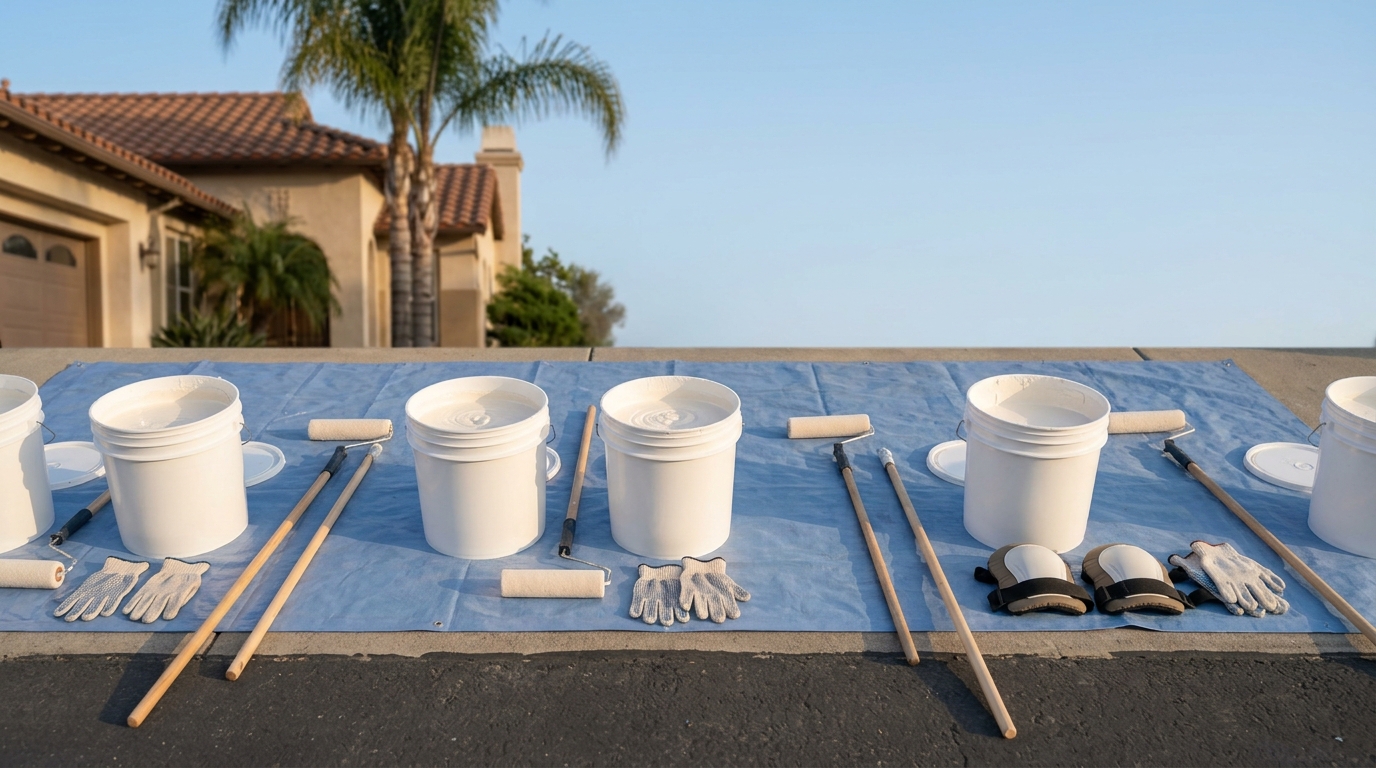
Elastomeric roof coating is a fluid-applied membrane that cures to form a seamless, rubber-like barrier across the entire roof surface. These coatings contain acrylic or urethane polymers that maintain flexibility across temperature ranges while providing excellent adhesion to various roofing substrates. Application typically requires professional spray or roller equipment to achieve uniform coverage without gaps. The reflective properties of white elastomeric coatings also reduce cooling costs by deflecting solar heat, a benefit particularly valuable during San Diego summers.
What Is the Difference Between Penetrating and Surface Sealants?
Penetrating sealants work below the surface, soaking into microscopic pores and fissures to create water resistance from within the substrate. These treatments preserve the original roof appearance while providing deep protection, making them ideal for historic properties or situations where aesthetics matter. Surface sealants create an external coating layer that sits on top of the roof material, providing direct protection against rain, UV radiation, and physical abrasion. Surface applications generally offer thicker protection but may alter the roof’s visual appearance. Many professional contractors recommend combining both approaches for comprehensive protection.
How Do Professional Roof Contractors Apply Roof Sealants?
Professional roof sealing follows a systematic process that ensures lasting results and proper adhesion of protective materials. The application sequence begins with thorough surface preparation that may include cleaning, repairs, and priming depending on roof condition. Contractors then apply sealants in controlled conditions, typically requiring dry weather and moderate temperatures for proper curing. Multiple coats applied at specific intervals build up the protective barrier to designed thickness specifications.
What Surface Preparation Is Required Before Sealing?
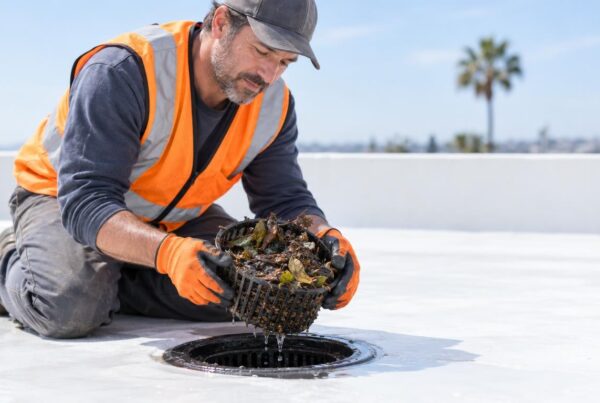
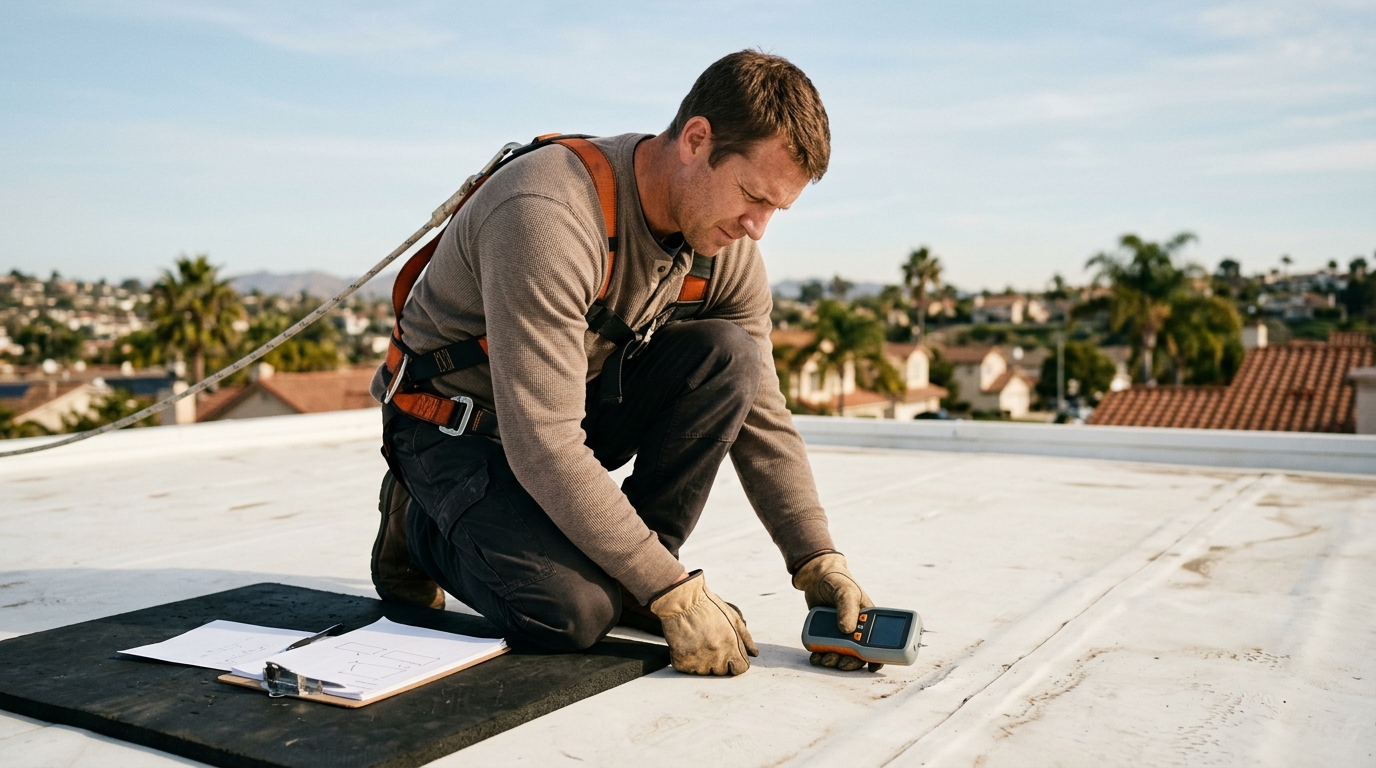
Surface preparation determines the success of any roof sealing project more than any other factor. Professional contractors begin with comprehensive cleaning to remove dirt, debris, biological growth, and any existing loose or flaking material. Surface repairs address cracks, blisters, or damaged sections before coating application to create a uniform substrate. Moisture assessment ensures the roof is sufficiently dry, as trapped moisture under sealants causes adhesion failures and potential rot. This preparation phase often requires more time than the actual coating application but prevents premature failures. When sealing a metal roof, assess which seams and fasteners need sealant and which damaged areas require repair first.
How Many Coats Does Professional Roof Sealing Require?
Professional roof sealing typically involves two to three coats applied in sequence to achieve proper coverage and thickness. The base coat provides adhesion to the substrate and begins filling minor imperfections in the roof surface. Intermediate coats build thickness and create a uniform membrane across the entire roof area. Top coats provide UV protection, weather resistance, and the finished appearance. Each coat requires adequate curing time between applications, typically twenty-four to forty-eight hours depending on material and weather conditions.
What Protective Benefits Does Roof Sealing Provide for San Diego Properties?
Roof sealing provides comprehensive protection that extends roof lifespan while reducing ongoing maintenance requirements and energy costs. The waterproof barrier prevents moisture intrusion that causes structural damage, mold growth, and interior property damage. UV-reflective coatings reduce heat transfer through the roof membrane, decreasing cooling expenses during San Diego’s warm months. Professional sealing also protects against wind-driven rain that can penetrate even small gaps in roofing systems, particularly valuable for properties in coastal areas like Carlsbad and La Mesa.
Beyond direct protection, roof sealing preserves property value by maintaining the building envelope’s integrity. Properties with documented professional maintenance command higher resale values and fewer inspection issues. The protective coating also minimizes thermal cycling stress on roofing materials, reducing the expansion and contraction that causes cracks and failures over time. For commercial properties in areas like Chula Vista and El Cajon, this protection translates directly to reduced operational costs and fewer business interruptions from waterproofing failures.
What Sets Expert Roof Sealing Apart From DIY Approaches?
Expert roof sealing distinguishes itself through proper surface assessment, material selection, and application technique that DIY approaches cannot match. Professional contractors evaluate roof condition comprehensively, identifying underlying issues that require repair before sealing can be effective. Material selection draws on experience with various products across different roof types and environmental conditions. Application technique ensures complete coverage without gaps, proper coating thickness, and appropriate curing conditions.
Professional roof sealing also includes documentation and warranties that protect property owners. Experienced contractors provide detailed assessments, written specifications, and guarantees against defects in workmanship. This accountability provides peace of mind that DIY projects cannot offer. The quality control inherent in professional operations, developed through commercial-scale projects, ensures consistent results that stand the test of time. Property owners throughout San Diego County benefit from choosing contractors who bring this level of professionalism to every project, from minor repairs to complete waterproofing systems.
How Can San Diego Property Owners Get Started With Professional Roof Sealing?
Professional roof sealing represents a proven investment in property protection that pays dividends through extended roof lifespan, reduced maintenance, and improved energy efficiency. San Diego property owners can access this expertise by consulting with qualified roofing professionals who understand local climate challenges and building requirements. Whether protecting a residence in Santee, a commercial property in Escondido, or an industrial facility in Poway, expert waterproofing services provide lasting value.
Gastelum Roofing offers professional roof sealing consultations for property owners throughout the San Diego area. Their team brings experienced assessment, quality materials, and professional application techniques to every project. Property owners seeking expert guidance on roof sealing options can reach Gastelum Roofing directly at 760-295-6593 to discuss their specific needs and property requirements.
Frequently Asked Questions
How long does professional roof sealing take to complete?
Professional roof sealing typically requires two to three coats applied in sequence, with each coat needing twenty-four to forty-eight hours to cure between applications. The surface preparation phase often takes more time than the actual coating application, involving comprehensive cleaning, repairs, and moisture assessment. Timing varies based on weather conditions and roof size.
What is roof sealing and why is it important for San Diego properties?
Roof sealing is a protective treatment that creates a waterproof barrier over roof surfaces, preventing moisture penetration while defending against ultraviolet radiation and temperature extremes. Professional sealing involves applying specialized coatings or sealants that bond with roofing materials to form seamless, durable protective layers. This service extends roof lifespan, reduces maintenance needs, and protects interior contents from water damage.
How does San Diego’s climate affect roof sealing needs?
San Diego’s climate presents unique challenges for roof surfaces despite its mild reputation. Intense sun exposure during summer subjects roofs to continuous ultraviolet radiation that degrades roofing materials over time. Coastal properties face additional salt air exposure that accelerates corrosion and material deterioration. The concentrated wet season creates conditions where unprotected roofs can develop leaks quickly.
What are the main roof sealing methods available?
Professional roof sealing employs three distinct methods suited to different roof types and protection requirements. Elastomeric coatings provide flexible, seamless membranes that accommodate building movement while maintaining waterproof integrity. Penetrating sealants soak into porous substrates to create internal water resistance without altering surface appearance. Surface sealants form durable outer layers that provide direct weather resistance and UV protection.
What surface preparation is required before roof sealing?
Surface preparation determines the success of any roof sealing project more than any other factor. Professional contractors begin with comprehensive cleaning to remove dirt, debris, biological growth, and any existing loose or flaking material. Surface repairs address cracks, blisters, or damaged sections before coating application to create a uniform substrate. Moisture assessment ensures the roof is sufficiently dry, as trapped moisture under sealants causes adhesion failures.
How does elastomeric roof coating work?
Elastomeric roof coating is a fluid-applied membrane that cures to form a seamless, rubber-like barrier across the entire roof surface. These coatings contain acrylic or urethane polymers that maintain flexibility across temperature ranges while providing excellent adhesion to various roofing substrates. Application typically requires professional spray or roller equipment to achieve uniform coverage. The reflective properties also reduce cooling costs by deflecting solar heat.
What protective benefits does roof sealing provide for San Diego properties?
Roof sealing provides comprehensive protection that extends roof lifespan while reducing ongoing maintenance requirements and energy costs. The waterproof barrier prevents moisture intrusion that causes structural damage, mold growth, and interior property damage. UV-reflective coatings reduce heat transfer through the roof membrane, decreasing cooling expenses during San Diego’s warm months. Professional sealing also minimizes thermal cycling stress that causes cracks and failures over time.