
Last updated: October 1, 2026
Soft wash roof cleaning uses a low-pressure application of a cleaning solution, rather than a forceful water jet, to address organic staining. For a dark-streaked roof in Santee, the right choice depends on the roofing material, its condition, and what is causing the discoloration.
What is soft wash roof cleaning?
Soft wash roof cleaning is a low-pressure, solution-based approach to removing organic stains from a roof. Low pressure can reduce the risk associated with a forceful water jet, but the cleaning solution and application method must still suit the roofing material. At Gastelum Roofing, our professional roof cleaning service begins with a roof evaluation rather than a promise to soft wash every surface.
Is soft washing your roof a good idea?
It may be a good option when a roof has algae-related staining and its materials are compatible with the proposed cleaner. An inspection matters because discoloration is not always the only concern: loose material, damaged coatings, or failing roof components can change what is safe to clean.
Which roof types are suitable for soft washing?
Asphalt shingles, tile, and low-slope roofs can all require gentle cleaning, but none should be treated as automatically suitable for the same soft-wash process.
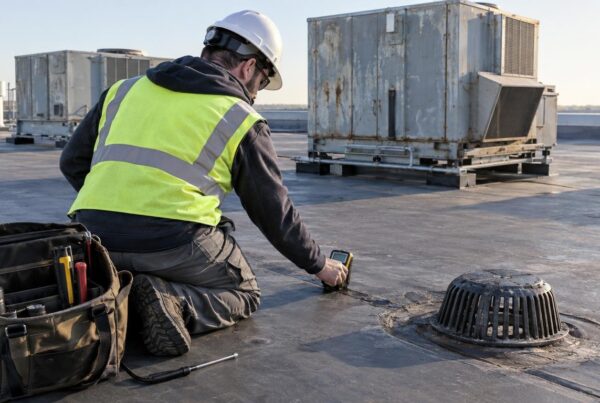
For asphalt shingles, the goal is to address staining without disturbing the shingle surface or forcing water beneath the roofing. A tile roof calls for attention to individual tiles and the components below them. On a low-slope roof, the cleaner and rinse method must suit the membrane or coating and its drainage layout. For more detail, our guide to cleaning a shingle roof covers safe methods for San Diego’s coastal climate.
Can a tile roof be soft washed safely?
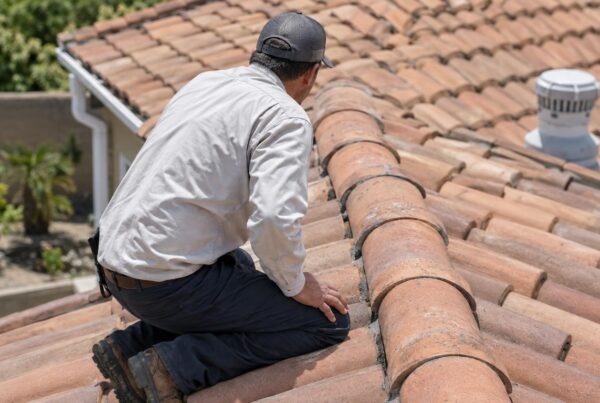
Tile roof cleaning may use a controlled, low-pressure approach if the tiles and surrounding components are sound and the cleaning solution is compatible. Cracked or loose tiles call for assessment before work begins. The cleaning plan should also account for where rinse water will travel and how the crew will avoid damaging tiles while working.
When should a roof be inspected before it is cleaned?
Request an inspection if you see cracked tile, damaged flashing or coatings, loose roofing, or signs of a leak. An inspection can separate stains and debris from conditions that need repair. Cleaning should not be used to conceal a defect that will still affect the roof after the surface looks better.
How do you do a soft wash on a roof?
Our roof-cleaning sequence is tailored to the roof material, staining, and areas of concern rather than a single recipe for every property:
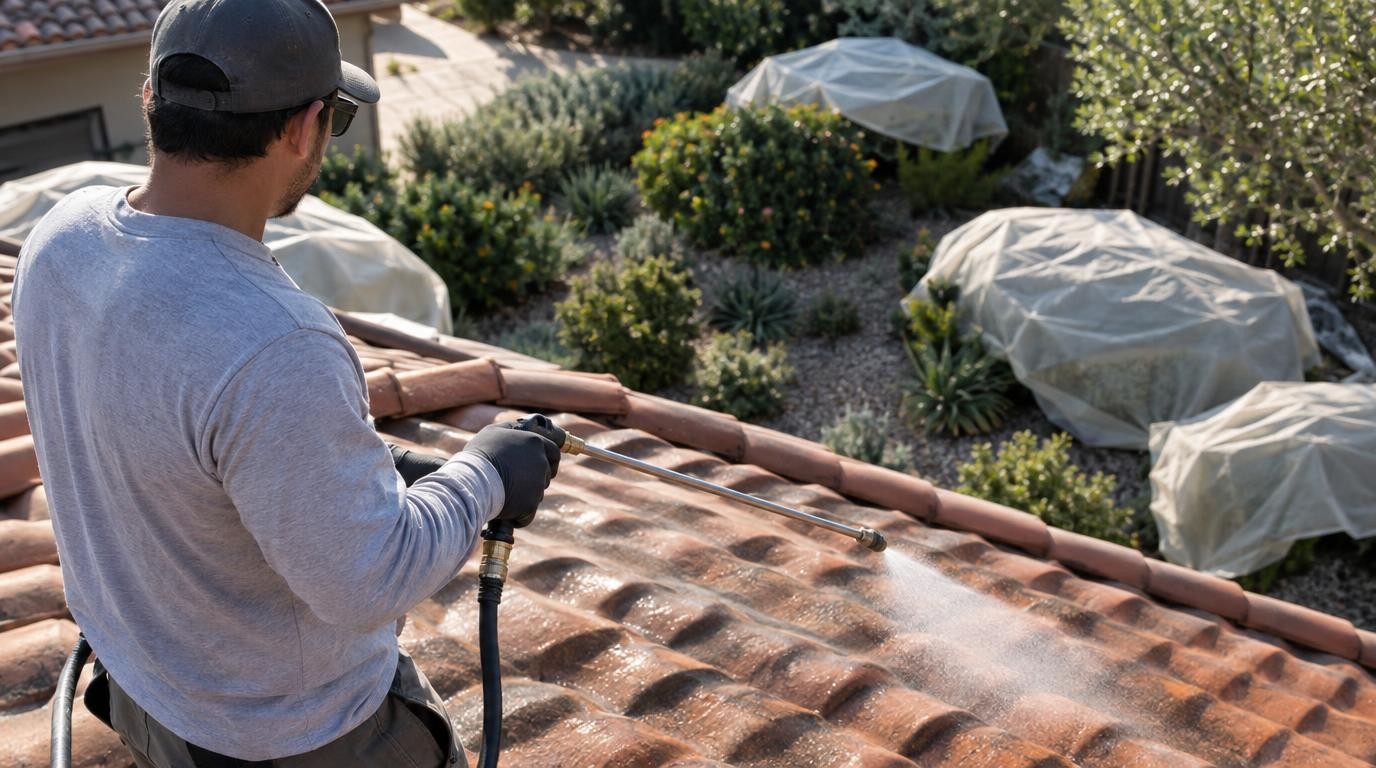
- Evaluate the roof. Identify the material, type of buildup, drainage layout, and components that need special care.
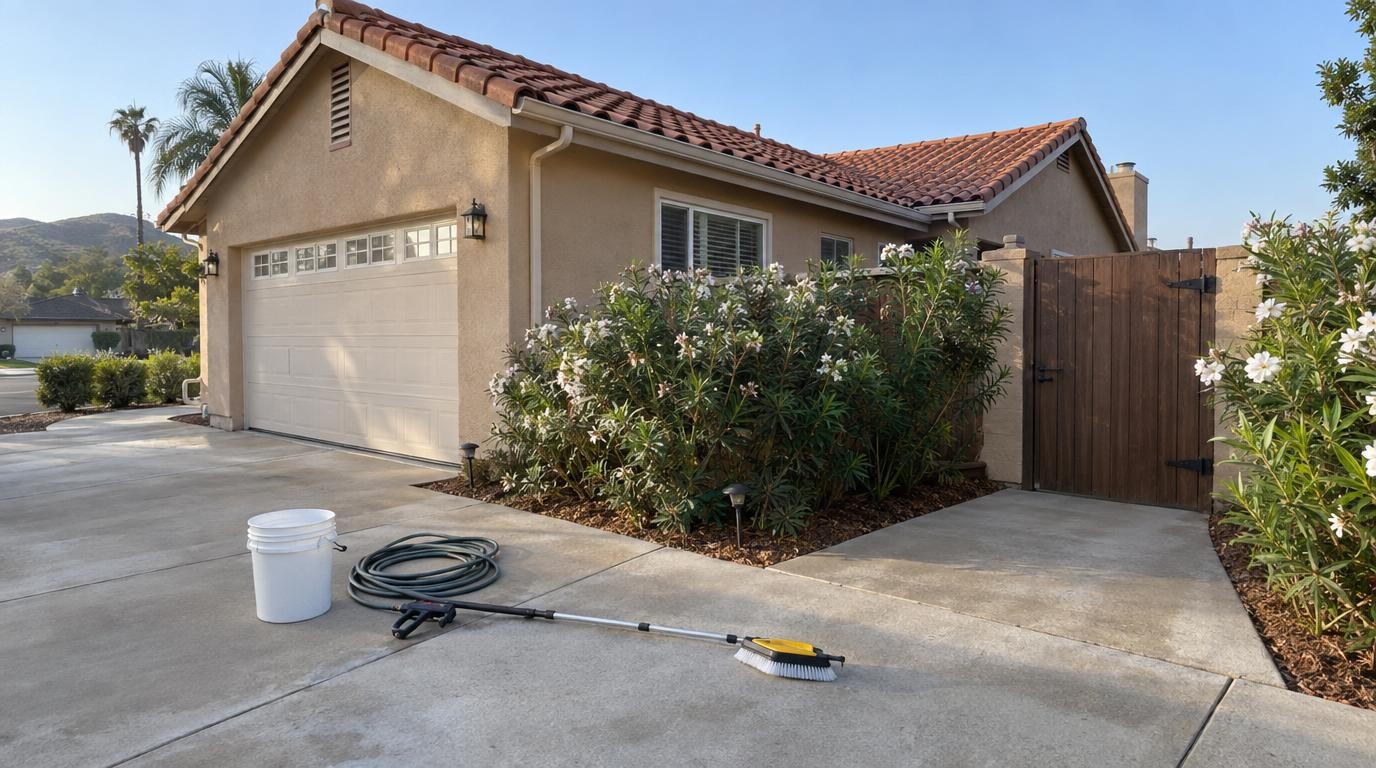
- Protect the property. Plan how to safeguard plants, gutters, and surrounding surfaces and manage runoff.
- Clean with control. Apply a method suited to the roofing material, with careful treatment around flashing, vents, and skylights.
- Check and clean up. Review the result and make sure valleys, gutters, and other drainage paths are clear.
How are plants, gutters, and nearby surfaces protected?
Property protection is part of the cleaning plan, not an afterthought. The crew should identify where cleaning solution and rinse water could go, protect exposed landscaping and surfaces, and keep gutters and drainage routes clear. The Centers for Disease Control and Prevention guidance on rainwater collection notes that water moving across a roof can carry dirt and chemicals, a useful consideration if the property collects rainwater.
What is the best chemical to soft wash a roof?
No single chemical is best for every soft wash roof cleaning job. Cleaner selection depends on the roofing material or coating, the type of buildup, product directions, and how nearby plants and runoff will be protected. A professional should confirm compatibility before application rather than assume that a solution suitable for shingles also suits tile or a low-slope membrane. For metal roof cleaning, learn how to remove buildup without damaging the panels or their coatings.
Can a cleaning solution harm roofing materials or landscaping?
Yes. An incompatible or misapplied cleaning solution can damage roofing materials or coatings and harm plants or nearby finishes. Protection includes choosing a material-appropriate product, following its directions, controlling application and rinsing, and planning where runoff will go. Our team does not rely on a particular chemical as the answer for every roof.
How does soft washing compare with roof pressure washing?
The distinction is about both cleaning action and risk to the roofing system:
| Approach | How it works | What to consider |
|---|---|---|
| Soft washing | Uses a compatible cleaning solution with low-pressure application. | Solution choice, roof condition, and runoff protection still matter. |
| High-pressure washing | Uses a forceful water jet to remove buildup. | Forceful spray can damage shingles, underlayment, or protective coatings. |
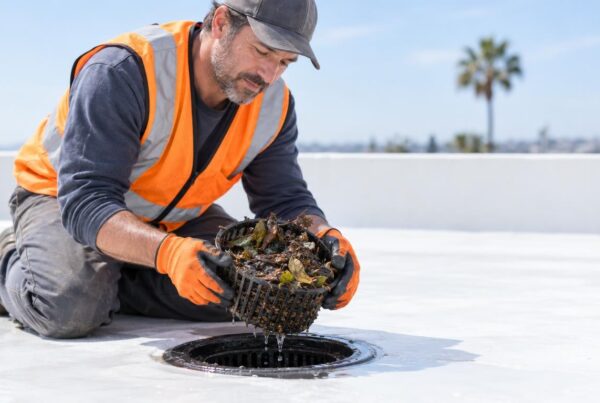
Neither approach replaces clearing loose leaves or checking valleys, gutters, flashing, vents, and skylights. Those areas may need separate attention so water has a clear path off the roof.
Is high-pressure washing safe for shingles or tile?
High-pressure washing can damage shingles or disturb vulnerable tiles. Cracked tile or loose shingles may need repair before cleaning. A lower-pressure method avoids unnecessary force but still must suit the roof’s material and condition.
What results should you expect from roof stain and algae removal?
Appropriate roof stain removal can improve dark streaks and produce a more uniform appearance, but complete removal cannot be guaranteed. Dark discoloration often involves algae or airborne contaminants; moss and collected debris can call for different handling. Cleaning can also help clear drainage routes, but roof algae removal does not repair damaged roofing or stop an existing leak.
Will cleaning remove dark streaks and moss?
Dark streaks often improve when the selected method targets their source without harming the roof surface. Moss can also be removed, but the method must account for how firmly it is attached and the condition of the material beneath it. For a closer look at that distinction, see our guide to cleaning moss off shingles or tile safely.
Can cleaning fix an existing leak?
No. Clearing debris may improve drainage, but cleaning does not replace a damaged tile, restore failed flashing, or seal a leak. If staining appears alongside water intrusion, ask for an inspection so the cause can be identified and the needed roof repair can be discussed separately from cleaning.
How often should a roof be cleaned in Santee?
Most roofs benefit from cleaning every 1–3 years, depending on shade, nearby trees, coastal moisture, and visible staining. That range is not a fixed schedule for every Santee property. An inspection can show whether the roof needs cleaning now, whether debris simply needs clearing, or whether a material or drainage concern needs attention first.
What signs suggest cleaning is due sooner?
Visible streaks, moss, and debris collecting in valleys or near gutters are reasons to have the roof assessed. Seasonal rain also makes clear drainage paths worth checking. An inspection is more useful than cleaning by the calendar alone, especially if a stain appears near damaged roofing or an area that drains slowly.
Frequently Asked Questions
Should I clean my roof before putting my home up for sale?
Yes, if the roof has visible stains or buildup, professional cleaning can improve curb appeal before a sale or appraisal. We assess the roof first, since cleaning is not a substitute for needed repairs. The crew can then choose a method suited to the roofing material and its condition.
Is roof cleaning worth considering after a storm?
Yes, especially if wind or rain has left debris in roof valleys, around penetrations, or near gutters. Clearing those areas helps water reach gutters and drains and reduces the risk of backups. An inspection can determine whether the roof needs cleaning, debris removal, or attention to damaged components.
Can algae and debris shorten the life of a roof?
Yes. Organic growth and debris can hold moisture against roofing surfaces and contribute to premature material wear. Removing buildup supports long-term roof performance and keeps drainage paths clearer. Cleaning cannot reverse existing damage, so the roof should be evaluated for repairs before a cleaning method is chosen.
What if I collect rainwater from a roof that is being cleaned?
Tell the cleaning crew about your rainwater collection system so runoff can be considered in the cleaning plan. The CDC says roof runoff can carry dirt, germs, and chemicals. It recommends a first flush diverter and regular testing if you use collected rainwater for drinking, cooking, or bathing.
Will Gastelum Roofing’s own crew clean my roof, or do they use subcontractors?
Our work is completed in-house rather than subcontracted. Its roof-cleaning team evaluates the roof, protects landscaping and surrounding surfaces, uses a material-specific cleaning approach, and checks drainage paths afterward. Ask during your consultation who will perform the work and how the crew plans to protect your particular roof.
Can a free roof inspection tell me if I need replacement instead of cleaning?
Yes. Gastelum Roofing offers no-cost inspections to assess a roof’s condition before recommending work. If inspectors find minor issues, they suggest practical repairs; for major damage or an aging roof, they explain replacement options. An inspection helps prevent a cleaning from being mistaken for a solution to a deteriorating roofing system.
How can you decide whether to clean or repair your roof?
Decide between cleaning and repair by inspecting the roof before selecting a cleaning method. The inspection should identify the roofing material, cause and location of staining, blocked drainage paths, and any damaged components. Gastelum Roofing offers a no-cost roof inspection so property owners can understand what needs cleaning and what may need repair.
What should you ask during a roof-cleaning inspection?
Ask what is causing the visible marks, which method suits the material, and whether cracked tile, flashing, coatings, or other components need attention first. Ask how the proposed work will protect landscaping, surrounding surfaces, gutters, and runoff routes. Our guide to professional roof cleaning for San Diego properties offers more context on cleaning as part of roof care.
If you are considering soft wash roof cleaning for a home or commercial property, contact Gastelum Roofing at 760-295-6593 to request a roof-cleaning consultation and no-cost inspection. We can assess the roof’s condition, explain a material-appropriate cleaning approach, and distinguish cleaning needs from repairs.