Last updated: August 24, 2026
San Diego homeowners have a concrete deadline to act: CBS8 News published El Niño preparation guidance on August 18, 2026, explicitly advising homeowners to hire licensed contractors for roof inspections and obtain written condition assessments before the weather event arrives. The next 90 days represent a critical window for property owners throughout La Mesa, San Diego, and surrounding communities to identify vulnerabilities before heavy rains compound existing roof wear. This article breaks down what the advisory means for your property, what a professional inspection entails, and how Gastelum Roofing delivers the thorough evaluation San Diego homeowners can trust.
What Does the CBS8 El Niño Advisory Mean for My Roof?
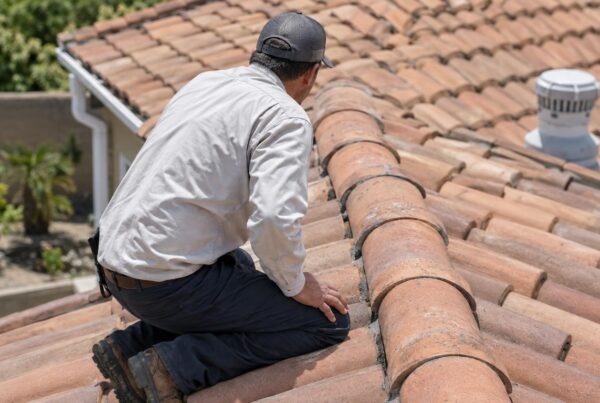
A licensed roof inspector examines structural integrity, flashing, gutters, and potential leak points to identify damage that may worsen under heavy rain. The inspector provides a written roof condition assessment documenting current issues and recommended repairs.
CBS8’s August 2026 advisory frames roof evaluation by a licensed contractor as a priority action for San Diego property owners preparing for El Niño. The news station’s guidance specifically recommends property inspections over the coming weeks, with roof assessment highlighted as essential for homeowners who may have postponed routine maintenance. This creates immediate, actionable demand for professional inspection services across the region.
Why Are San Diego Roofs Specifically at Risk During El Niño?
San Diego roofs face compounding stressors that accelerate wear between storm seasons. Intense UV exposure during summer months weakens shingle granules and degrades sealants, while coastal salt air promotes corrosion on metal flashing and fasteners. Santa Ana winds can lift or dislodge shingles, creating entry points for subsequent rainfall. Winter rains following this accumulated damage create conditions where small problems rapidly become significant leaks.
How Soon Should I Schedule a Roof Inspection?
The 90-day window identified in the CBS8 advisory provides a practical framework for homeowners across San Diego County. Scheduling an inspection before autumn rains arrive allows time for any necessary repairs to be completed properly. Properties in Escondido, Carlsbad, Poway, and other inland areas experience slightly different exposure patterns than coastal properties in La Mesa or Chula Vista, but all benefit from addressing vulnerabilities proactively.
What Does a Licensed Roof Inspector Actually Look For?
A licensed roof inspector evaluates the roof’s structural components, membrane or shingles, flashing, drainage systems, and penetrations to identify current damage and potential failure points. The inspector documents findings with photos and provides a written assessment rating each component’s condition.
Professional roof inspections follow a systematic approach that addresses both visible surfaces and concealed structural elements. Experienced inspectors understand that the most critical vulnerabilities often hide beneath surface materials, requiring both physical examination and specialized diagnostic tools to assess accurately.
What Roof Components Get Examined During an Inspection?
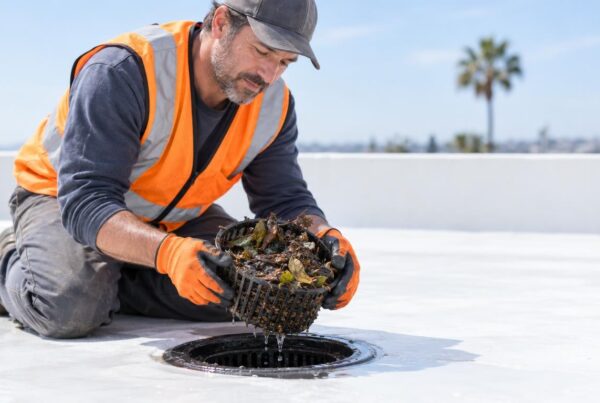
Inspectors evaluate multiple interconnected systems during a comprehensive evaluation. The roof covering, whether asphalt shingles, tile, or flat membrane, receives close attention for signs of wear, cracking, or missing sections. Flashing around chimneys, skylights, and roof edges gets examined for deterioration or gaps. Gutters and downspouts are checked for proper attachment and debris accumulation that could impede drainage. Ventilation systems and penetration points, including those from solar panel installations common across San Diego, are assessed for sealing integrity. Our roof inspection checklist explains what a thorough evaluation should cover, from roof surfaces and flashing to drainage and ventilation.
How Do Inspectors Find Hidden Damage and Weak Spots?
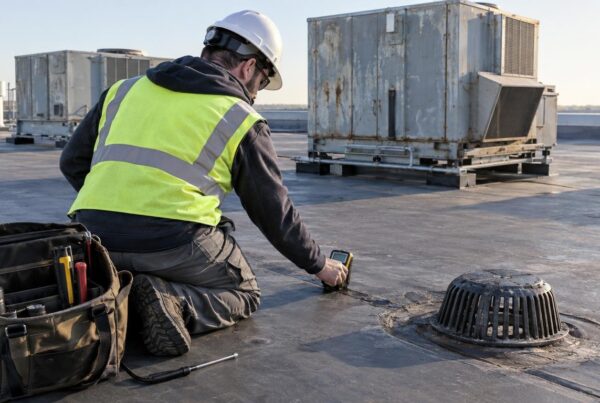
Skilled inspectors combine visual assessment with hands-on examination and specialized equipment. Moisture meters detect water intrusion within roofing materials before visible signs appear on ceilings. Thermal imaging can reveal insulation gaps and hidden moisture that would otherwise go unnoticed. For complex roof geometries or multi-story properties, drone roof inspection technology provides detailed aerial views of surfaces that cannot be accessed safely by foot. This combination of techniques uncovers issues that a casual walkaround inspection would miss entirely.
Why Does San Diego’s Climate Create Special Roof Stressors?
San Diego’s Mediterranean climate produces distinct seasonal challenges that affect roofing systems differently than other regions. Summer heat and intense UV radiation break down roofing materials, while coastal humidity introduces moisture-related complications that compound over time.
Property owners throughout San Diego, from El Cajon to Santee, benefit from understanding how regional climate factors translate into specific roof wear patterns. This local knowledge allows for more targeted maintenance and more accurate assessment during inspections.
How Do Santa Ana Winds and Coastal Conditions Affect My Roof?
Santa Ana wind events create sustained uplift pressures that test roof attachment systems. Properties in passes and canyons, common around Escondido and Poway, experience amplified wind effects during these events. Simultaneously, coastal properties in Carlsbad and La Mesa face accelerated corrosion from salt-laden air, particularly on exposed flashing and fastener hardware. The combination of wind stress and corrosion degradation creates a unique failure pattern that San Diego inspectors recognize through experience with regional construction.
What Documentation Does a Professional Roof Inspection Provide?
A professional roof condition assessment documents current condition ratings for each roof component, identifies specific damage locations, and provides repair recommendations prioritized by urgency. This written record supports insurance claims, property transactions, and planned maintenance budgeting.
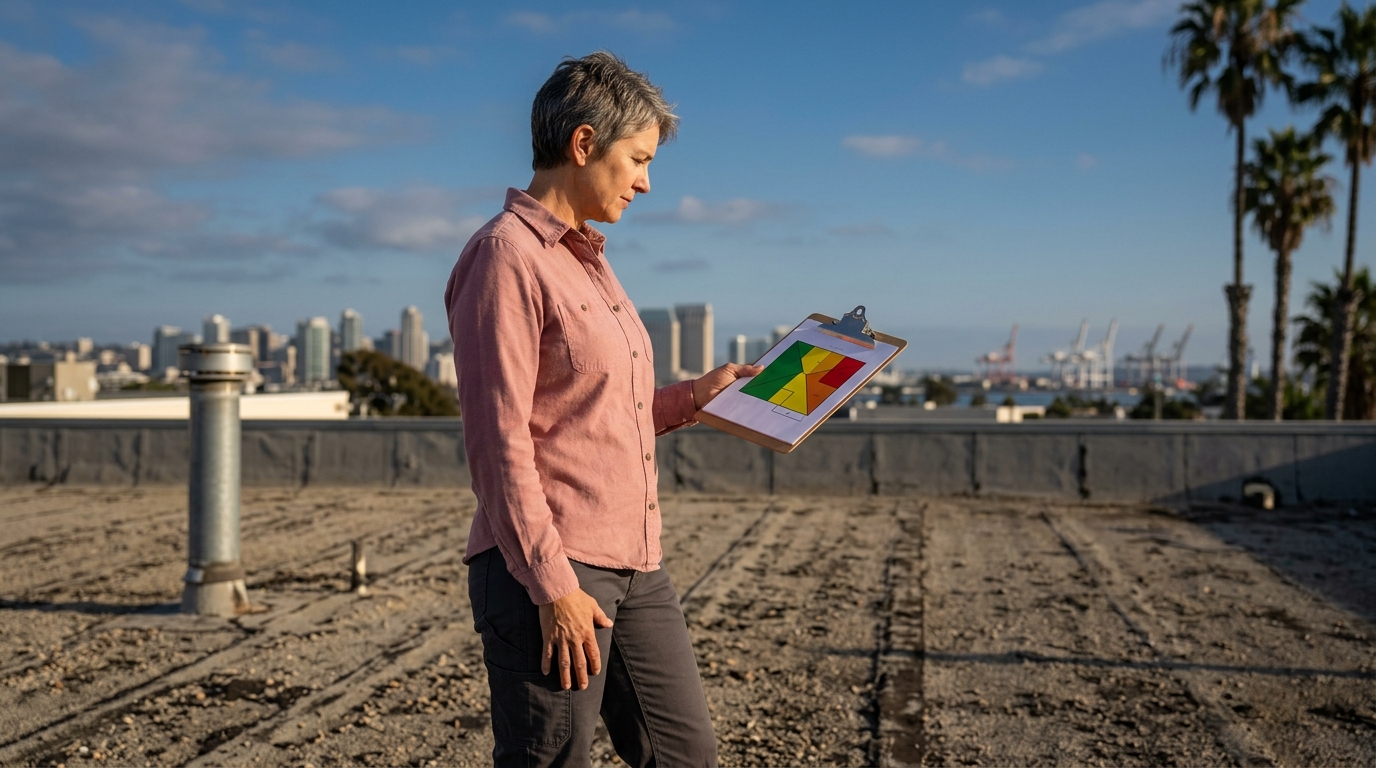
Homeowners frequently ask what tangible deliverables result from a professional inspection. The documentation provided serves multiple practical purposes beyond simply confirming a roof’s current state, making it valuable for both immediate decision-making and long-term property management.
What Is Included in a Written Roof Condition Assessment?
A complete assessment includes an executive summary of overall roof condition, detailed findings for each inspected component, photographic evidence of problem areas, and a prioritized repair recommendation list. Condition ratings typically follow a standardized scale ranging from excellent to poor, allowing property owners to communicate status to insurance providers, prospective buyers, or property managers clearly. This structured format ensures nothing gets overlooked and all findings remain verifiable over time.
Can a Roof Inspection Give Me a Roof Certification?
Yes, a roof certification inspection provides official verification of a roof’s condition and remaining serviceable lifespan. Licensed contractors who complete comprehensive inspections can issue certifications that satisfy insurance requirements, support property sales, and fulfill warranty documentation needs. This roof certification inspection differs from a basic condition assessment by establishing specific conclusions about roof performance expectations, often including estimated remaining years of service under normal conditions. Learn what a roof inspection for insurance involves, when insurers may request one, and what documentation property owners should expect.
How Do I Choose the Right Roof Inspector in San Diego?
Choosing a qualified roof inspector requires verifying proper licensing, insurance coverage, and relevant experience with your specific roof type. Look for inspectors who provide detailed written reports with photographic documentation rather than verbal assessments alone.
The distinction between a licensed roofing contractor and a general handyman carries significant weight when evaluating roof inspection providers. Professional qualifications directly impact the thoroughness and reliability of inspection findings, making credential verification an essential step in the selection process.
What Credentials Should a Roof Inspector Have?
A reputable roof inspector holds a current California contractor’s license specific to roofing work, carries liability insurance and workers’ compensation coverage, and maintains membership in industry organizations that provide ongoing training. Industry experience with San Diego-area construction practices matters significantly, as regional building codes and common roof types vary from other markets. Professional inspectors backed by established companies like Gastelum Roofing offer accountability and follow-up support that independent operators may not provide.
What Questions Should I Ask Before Booking?
Before scheduling an inspection, ask about the inspection methodology and what specific components receive evaluation. Request sample reports to understand the documentation format and detail level. Confirm whether the inspection includes interior attic assessment or focuses solely on exterior surfaces. Inquire about technology used, including whether drone roof inspection services are available for complex roof geometries. Understanding these details helps ensure the inspection scope matches your property’s needs and your expectations for the final deliverable.
When Is the Best Time to Schedule a Roof Inspection?
Late summer or early fall represents the optimal window for scheduling roof inspections before seasonal rains arrive. This timing allows adequate lead time for repairs while weather conditions remain favorable for work completion. Industry data consistently shows that properties inspected and repaired before autumn storms experience significantly fewer emergency leak calls during winter months.
Given the CBS8 advisory recommending action within the next 90 days, San Diego homeowners have a clear timeline for scheduling inspections. The remaining weeks of summer provide excellent conditions for thorough evaluation, while still allowing time for any discovered issues to be addressed before winter rains arrive.
What Happens If I Wait Until After the Rains Start?
Postponing inspection until rainy weather arrives creates multiple complications. Active leaks or water damage become more apparent but also more advanced, potentially requiring more extensive repairs. Scheduling becomes constrained as contractors prioritize emergency response over new inspections. Repair work itself becomes weather-dependent, potentially extending project timelines significantly. Properties in Chula Vista, El Cajon, and throughout the region that defer inspection face compounded damage that could have been prevented with timely evaluation.
Frequently Asked Questions
What does a professional roof inspection include?
A licensed roof inspector examines structural components, membrane or shingles, flashing, drainage systems, and penetrations. The inspector checks roof covering for wear, flashing around chimneys and skylights for gaps, gutters for debris, and ventilation systems for sealing integrity. They document findings with photos and provide a written assessment rating each component’s condition.
How soon should I schedule a roof inspection before El Niño arrives?
The CBS8 advisory recommends scheduling a roof inspection within the next 90 days. Late summer or early fall represents the optimal window before seasonal rains arrive. This timing allows adequate lead time for repairs while weather conditions remain favorable for work completion.
What documentation does a professional roof inspection provide?
A complete assessment includes an executive summary of overall roof condition, detailed findings for each inspected component, photographic evidence of problem areas, and a prioritized repair recommendation list. Condition ratings follow a standardized scale from excellent to poor, allowing clear communication with insurance providers or prospective buyers.
Why are San Diego roofs specifically at risk during El Niño?
San Diego roofs face compounding stressors that accelerate wear between storm seasons. Summer UV radiation breaks down shingle granules and degrades sealants, while coastal salt air promotes corrosion on metal flashing. Santa Ana winds can lift or dislodge shingles, creating entry points for rainfall. When winter rains follow this accumulated damage, small problems rapidly become significant leaks.
What credentials should a roof inspector have?
A reputable roof inspector holds a current California contractor’s license specific to roofing work, carries liability insurance and workers’ compensation coverage, and maintains membership in industry organizations that provide ongoing training. Industry experience with San Diego-area construction practices matters significantly, as regional building codes and common roof types vary from other markets.
How do inspectors find hidden damage and weak spots on a roof?
Skilled inspectors combine visual assessment with hands-on examination and specialized equipment. Moisture meters detect water intrusion within roofing materials before visible signs appear. Thermal imaging reveals insulation gaps and hidden moisture. For complex roof geometries, drone roof inspection technology provides detailed aerial views of surfaces that cannot be accessed safely by foot.
What happens if I wait until after the rainy season starts?
Postponing inspection until rainy weather arrives creates multiple complications. Active leaks or water damage become more apparent but also more advanced, potentially requiring more extensive repairs. Scheduling becomes constrained as contractors prioritize emergency response over new inspections. Repair work itself becomes weather-dependent, potentially extending project timelines significantly.
Conclusion
The CBS8 El Niño advisory provides San Diego homeowners with a clear, news-supported reason to prioritize roof evaluation before seasonal storms arrive. A professional inspection delivers actionable knowledge about your roof’s current condition, documented findings that support maintenance planning, and the documentation required for roof certification when needed. Gastelum Roofing offers comprehensive roof inspection services for residential and commercial properties throughout San Diego, Escondido, La Mesa, Carlsbad, and surrounding communities. Contact Gastelum Roofing at 760-295-6593 to schedule your inspection and ensure your property is prepared for whatever weather the season brings.