
Last updated: September 11, 2026
San Diego homeowners face unique roofing challenges, from coastal exposure to inland heat. Understanding when professional roof repair becomes necessary can prevent small issues from becoming major expenses. This guide walks you through the signs that signal your roof needs attention, the decision between repair and replacement, and what to expect from the repair process in the Chula Vista area and broader San Diego County.
What Signs Indicate Your San Diego Roof Needs Repair?
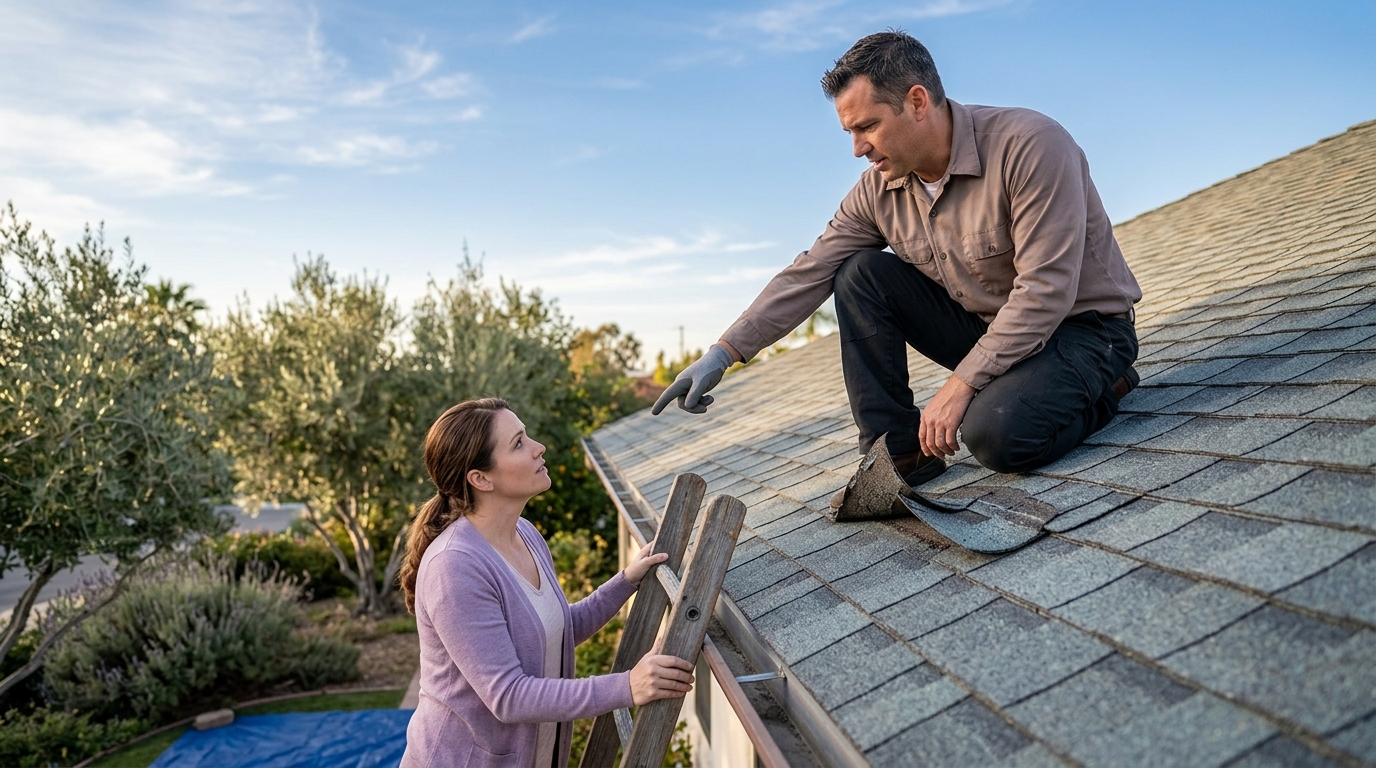
Visible indicators often signal that your roof requires professional attention. Missing, cracked, or curling shingles on asphalt roofs, along with broken or displaced tiles on tile roofs, represent clear warning signs. Water stains on interior ceilings or walls typically indicate a leak has already developed, while granules accumulating in gutters suggest shingles are deteriorating. Foam or sealant gaps in the roof valley are also common red flags. Regular visual inspections from the ground can help you spot these issues early.
How Can You Spot Early Signs of Roof Damage?
Early detection makes a significant difference in repair costs and roof longevity. Look for shingles that appear buckled, warped, or missing entirely. Check for excessive granule loss in gutters and downspouts. Inside your home, examine attic spaces for signs of light penetrating through the roof boards or any musty odors that suggest moisture accumulation. Peeling paint near the roofline can also indicate ventilation issues that affect roof performance.
What Does Weather-Related Roof Damage Look Like in San Diego?
San Diego’s climate presents distinct challenges for roofing materials. Coastal properties may experience salt air corrosion on metal components, while inland areas face thermal expansion and UV degradation. After significant weather events, inspect for wind-lifted shingles, debris impact damage, and any disruption to flashing around roof penetrations. Even seemingly minor storm damage can compromise your roof’s integrity over time if left unaddressed.
How Do You Know If You Need Roof Repair or Replacement?
The choice between repair and full replacement depends on several interconnected factors. Repair makes sense when damage is localized, the roof is relatively new, and the overall structure remains sound. Replacement becomes the better option when multiple areas show problems, the roof has reached the end of its service life, or recurring issues suggest systemic failures rather than isolated damage.
What Factors Determine Repair vs. Full Replacement?
Consider the extent of visible damage, the age of your current roof, and whether problems keep reoccurring despite previous repairs. A roof with isolated damage to one section and a solid foundation throughout typically responds well to targeted repairs. Conversely, widespread deterioration, structural sagging, or persistent leaks across multiple areas often indicate that replacement provides better long-term value. Your budget, plans to stay in the home, and neighborhood standards also influence this decision.
How Does Roof Age Factor Into Your Decision?
Different roofing materials have different expected lifespans. Most asphalt shingle roofs perform well for twenty to twenty-five years with proper maintenance. Tile roofs often last forty years or longer, though individual tiles may require replacement sooner. The age of your roof helps predict whether patching will provide temporary relief or serve as a lasting solution. An older roof approaching the end of its expected lifespan may benefit more from replacement than repeated repairs.
What Types of Roof Damage Are Most Common in Chula Vista?
Chula Vista’s housing stock includes both newer master-planned communities with tile roofing and older tract homes from the mid-twentieth century. Common issues in newer neighborhoods often involve tile displacement from wind events or improper installation details. Older homes frequently experience sheathing deterioration, flashing failures around penetrations, and overall material degradation that may require more comprehensive solutions. For comprehensive roofing services in San Diego, homeowners can rely on local contractors who understand these specific regional challenges.
How Does San Diego’s Climate Affect Roof Materials Over Time?
Temperature fluctuations between coastal fog and inland heat cause roofing materials to expand and contract. This thermal cycling accelerates aging in some materials while sparing others. UV exposure is particularly intense in inland areas like Chula Vista, breaking down surface coatings and sealants faster than in milder climates. Understanding these local conditions helps homeowners choose appropriate materials and maintenance schedules for their specific location.
What Storm Damage Patterns Should Homeowners Watch For?
While San Diego rarely experiences severe storms, significant weather events do occur. High winds can lift and damage shingles or tiles, particularly along roof edges and ridges. Debris carried by storm winds often impacts roof surfaces, causing cracks or dislodging. Heavy rainfall following storm damage reveals weak points that may have gone unnoticed. After any significant weather event, a professional inspection helps identify damage that might not be immediately visible from the ground.
What Is the Roof Repair Process From Start to Finish?
Professional roof repair follows a systematic approach designed to identify problems accurately and implement lasting solutions. The process begins with a thorough inspection to assess the scope of damage and determine whether repair or replacement better serves your needs. Once agreed upon, repairs are scheduled, materials are sourced, and the work is completed with attention to both immediate issues and underlying causes. A final inspection verifies the quality of the work.
How Do Professional Roofers Assess Damage?
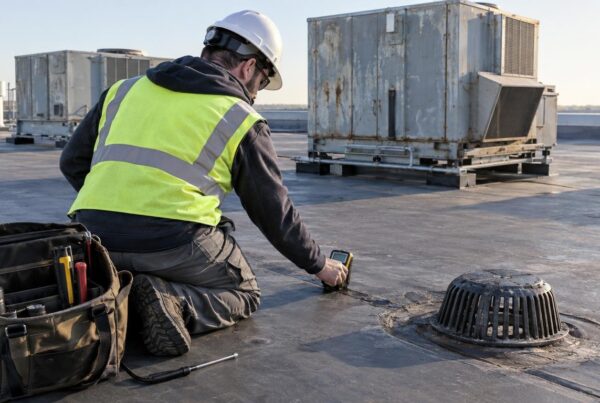
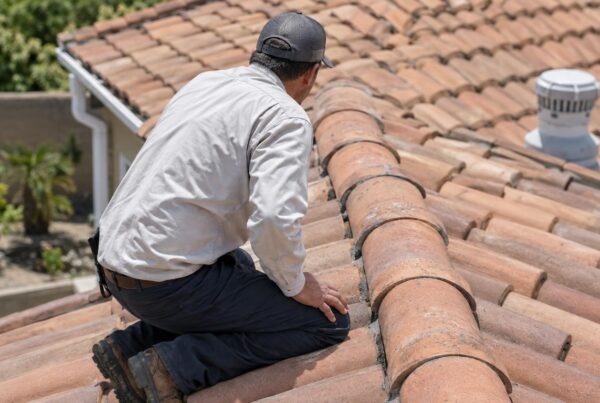
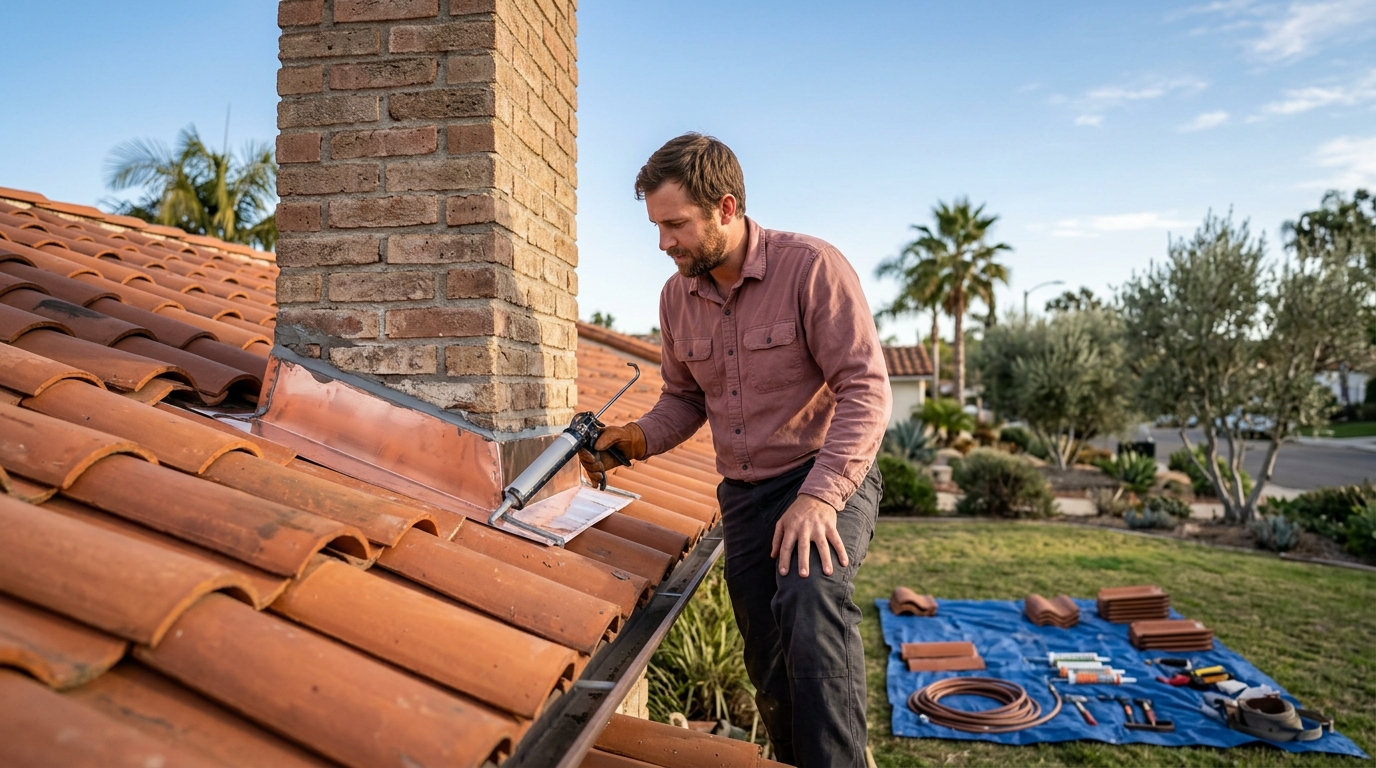
Experienced roofing professionals examine both exterior and interior roof surfaces. They check for damaged or missing materials, compromised flashing, proper ventilation, and signs of water infiltration. Interior inspection includes examining attic spaces for moisture, adequate ventilation, and structural integrity. Detailed documentation helps homeowners understand the full scope of work needed and provides a clear basis for the repair proposal.
What Steps Are Involved in Completing a Quality Repair?
Quality repairs begin with proper surface preparation, which may include cleaning debris and removing damaged materials. New materials are installed according to manufacturer specifications and industry best practices. Flashing is addressed around all roof penetrations, including chimneys, vents, and skylights. The work concludes with thorough cleanup and a detailed inspection to ensure all issues have been resolved and the repair integrates properly with the existing roof system.
How Can You Extend the Life of Your Roof After Repairs?
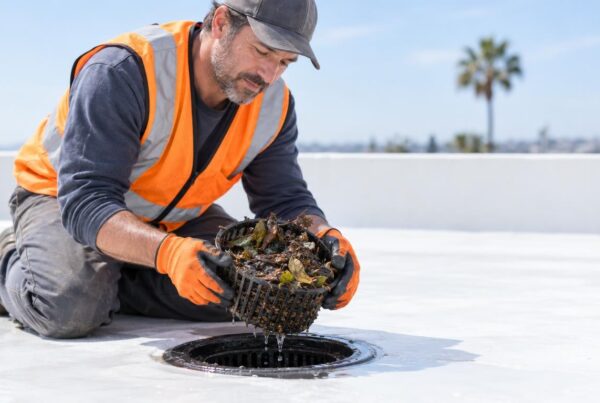
Regular maintenance significantly extends the useful life of your roof and protects your repair investment. Keeping gutters clean, trimming overhanging branches, and removing debris accumulation prevents damage that shortens roof lifespan. Addressing minor issues promptly stops them from developing into major problems. Professional inspections at appropriate intervals help catch developing issues before they require extensive repair.
What Routine Maintenance Protects Your Investment?
Schedule gutter cleaning at least twice yearly, typically in spring and fall. Inspect your roof visually after significant weather events. Keep trees trimmed back from roof surfaces to prevent branch damage and reduce debris accumulation. Ensure proper attic ventilation to prevent heat and moisture buildup that degrades roofing materials from below. These simple maintenance tasks cost little but prevent costly repairs down the road.
When Should You Schedule Follow-Up Inspections?
Annual professional inspections help maintain roof health and catch problems early. Consider scheduling inspections in late winter or early spring to assess any damage from winter weather and prepare for the dry summer months. If your area experiences significant storms, arrange for a follow-up inspection afterward. After completing repairs, ask your contractor about recommended inspection intervals to ensure the repair continues performing as expected.
What Should You Look for in a Chula Vista Roofing Contractor?
Choosing the right contractor ensures quality workmanship and protects your investment. Look for established local companies with demonstrated experience in your specific roofing type and neighborhood. Verify proper licensing, insurance coverage, and manufacturer certifications. Review previous work examples and ask for references from recent projects similar to yours. Clear communication, detailed written proposals, and transparent pricing practices indicate professional operation. Industry standards from organizations like the National Roofing Contractors Association (NRCA) can help you evaluate contractor credentials and professional practices.
Why Does Local Experience Matter for San Diego Roofs?
San Diego’s unique climate and housing characteristics require specific expertise. Local contractors understand how coastal conditions or inland heat affect different roofing materials. They know common issues in neighborhoods like Otay Ranch, EastLake, or older Chula Vista tracts and understand which solutions work best in this environment. Local presence also means accountability and easier follow-up if issues arise after the work is complete.
What Questions Help You Verify Contractor Credentials?
Ask about their experience with your specific roof type and how long they have served the San Diego area. Request proof of current licensing and insurance coverage. Inquire about manufacturer certifications, which indicate training on specific product installation. Ask for references from recent local projects and follow up on those references. A reputable contractor welcomes these questions and provides clear, verifiable answers. For veteran roof repair expertise San Diego trusts, homeowners can verify credentials through manufacturer certifications and local references.
Frequently Asked Questions
What are the signs that your roof needs professional repair?
Visible warning signs include missing, cracked, or curling shingles on asphalt roofs, and broken or displaced tiles on tile roofs. Water stains on interior ceilings or walls indicate active leaks, while granules accumulating in gutters suggest shingle deterioration. Foam or sealant gaps in roof valleys are also common red flags that warrant professional attention.
How do you know whether to repair or replace your roof?
Repair makes sense when damage is localized, the roof is relatively new, and the overall structure remains sound. Replacement becomes necessary when multiple areas show problems, the roof has reached the end of its service life, or recurring issues suggest systemic failures. Consider the extent of visible damage, the age of your current roof, and whether problems keep reoccurring despite previous repairs.
How long does a typical roof last before needing replacement?
Most asphalt shingle roofs perform well for twenty to twenty-five years with proper maintenance. Tile roofs often last forty years or longer, though individual tiles may require replacement sooner. An older roof approaching the end of its expected lifespan typically benefits more from replacement than repeated repairs, especially if it has recurring issues.
What does the professional roof repair process involve?
Professional roof repair follows a systematic approach beginning with a thorough inspection to assess damage scope and determine a well-established solution. Once work is approved, repairs are scheduled and materials are sourced. The process includes proper surface preparation, new material installation per manufacturer specifications, and flashing work around all roof penetrations. A final inspection verifies quality and ensures proper integration with the existing roof system.
How can you extend the life of your roof after repairs?
Regular maintenance significantly extends your roof’s useful life and protects your repair investment. Keep gutters clean by scheduling cleaning at least twice yearly, typically in spring and fall. Trim overhanging branches and remove debris accumulation to prevent damage. Address minor issues promptly before they develop into major problems. Schedule annual professional inspections to catch developing issues early.
What should you look for when choosing a roofing contractor in San Diego?
Look for established local companies with demonstrated experience in your specific roofing type and neighborhood. Verify proper licensing, insurance coverage, and manufacturer certifications. Review previous work examples and ask for references from recent projects. Clear communication, detailed written proposals, and transparent pricing indicate professional operation. Local contractors understand how coastal conditions or inland heat affect different roofing materials.
What are the most common roof damage patterns in Chula Vista after storms?
High winds can lift and damage shingles or tiles, particularly along roof edges and ridges. Debris carried by storm winds often impacts roof surfaces, causing cracks or dislodging materials. Heavy rainfall following storm damage reveals weak points that may have gone unnoticed. After significant weather events, a professional inspection helps identify damage that might not be immediately visible from the ground.
Conclusion
Understanding when your roof needs professional repair helps you protect your home and avoid more costly problems down the road. Watch for visible damage, interior signs of leakage, and the effects of age and weather on your roofing materials. When problems arise, addressing them promptly with quality repairs from experienced professionals extends your roof’s useful life and maintains your home’s protection. Whether you need residential roof repair in Chula Vista or commercial roof repair across San Diego County, working with established local contractors ensures the expertise needed for lasting solutions.
For homeowners in San Diego, Escondido, El Cajon, Santee, La Mesa, Carlsbad, and Poway seeking professional roof assessment, Gastelum Roofing offers the experience and local knowledge to evaluate your roof’s condition. Their team provides thorough inspections and quality repairs throughout San Diego County. Contact them at 760-295-6593 to schedule a consultation and ensure your roof continues protecting your home effectively.