
Last updated: September 20, 2026
California’s updated Building Standards Code took effect January 1, 2026, bringing new requirements for roof installations in residential and commercial construction. These changes affect how property owners in San Diego and throughout Southern California approach roof waterproofing, sealing, and protective coating projects. Understanding what the 2026 code requires helps property owners ensure their buildings meet current standards while protecting their investments for years to come.
What Are the 2026 California Roof Sealing Code Changes?
The California Department of General Services published errata for the 2025 Triennial Edition of the state’s building standards code, effective January 1, 2026. These updates include corrections and refinements to Title 24 that directly address waterproofing, sealing, and protective coating standards for residential and commercial construction. Property owners and contractors can access detailed code summaries through the California Building Standards Commission website to understand the specific requirements that now apply.
When Did the Building Standards Code Take Effect?
The California Building Standards Code took effect statewide on January 1, 2026, replacing the previous 2022 edition. This triennial update cycle affects multiple parts of the building code, including requirements that govern how contractors approach sealing installations across California. Local jurisdictions in San Diego County, including Carlsbad, Escondido, and Chula Vista, adopt these state standards and enforce them through their building departments during permitting and inspection.
Which Parts of the California Building Code Were Updated?
The 2025 edition includes errata corrections for Part 2 (Volumes 1 and 2) and Part 2.5 of the California Building Code. These sections contain the technical standards that govern waterproofing materials, installation methods, and performance requirements for buildings throughout the state. Contractors working on projects in Santee, La Mesa, El Cajon, and other San Diego County communities must follow these updated standards to achieve compliant installations.
What Does the 2026 Code Require for Roof Sealing?
The 2026 code introduces updated requirements for roof waterproofing and sealing that affect both new construction and renovation projects. These standards emphasize proper waterproofing techniques, material quality, and installation methods that ensure long-lasting protection for California buildings. Property owners in San Diego and surrounding areas should understand these requirements when planning sealing projects.
How Does the Updated Code Affect Residential Roof Installations?
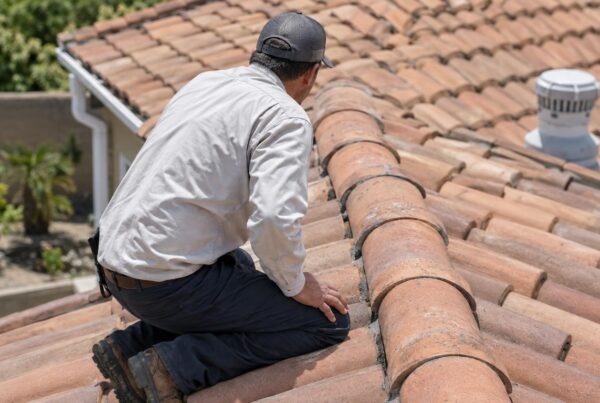
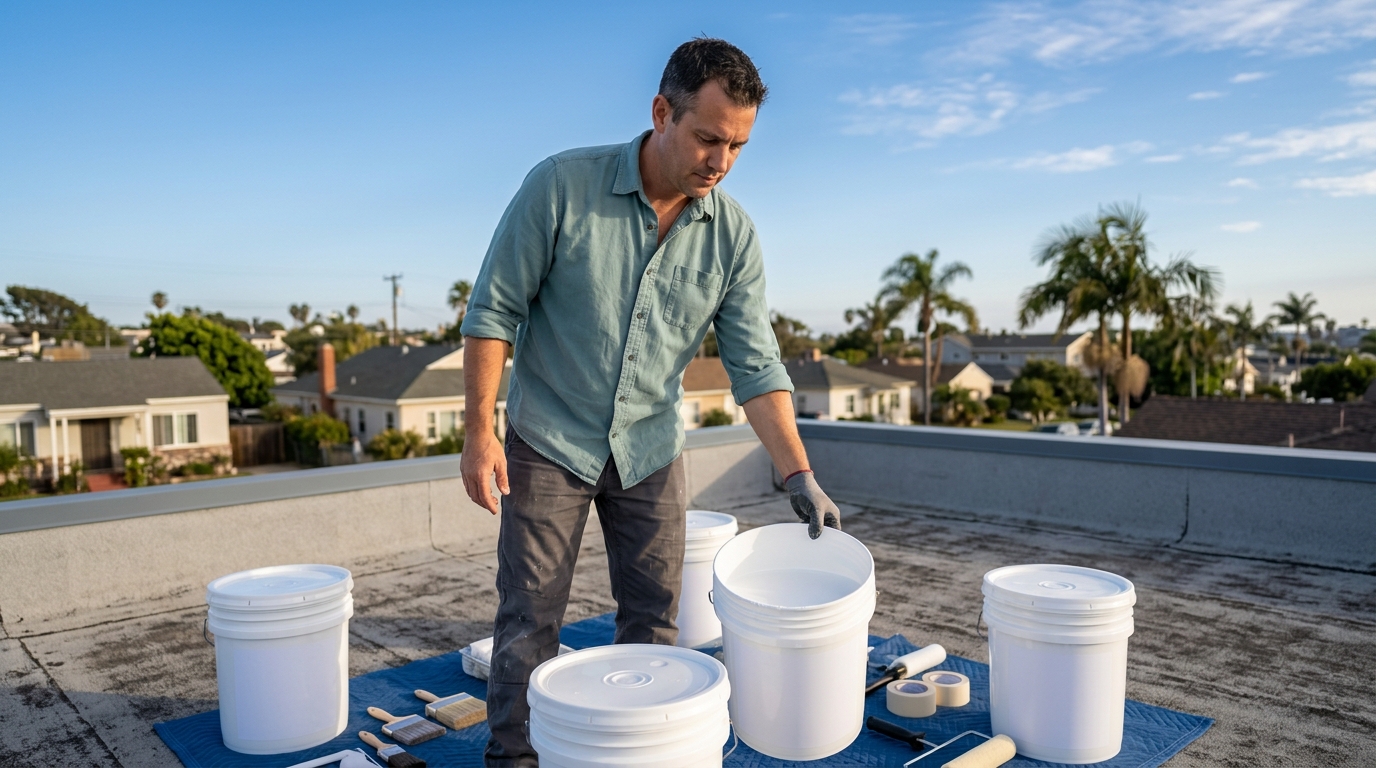
Residential sealing installations in San Diego and throughout Southern California must comply with the updated California Residential Code standards. These requirements affect tile roofs, flat roof structures, and the application of protective roof coatings. Contractors working on homes in Carlsbad, Escondido, and Chula Vista must follow these updated standards during installation to pass required building inspections.
What Standards Apply to Commercial Roof Sealing?
Commercial waterproofing in San Diego and surrounding Southern California areas must follow the updated Title 24 requirements for waterproofing and protective coatings. The 2026 code standards apply to flat roofs, elastomeric coating applications, and membrane installations across commercial properties. Licensed contractors working in Carlsbad, Chula Vista, Escondido, and other regional cities must document compliance with these updated standards during permitting and inspection processes.
How Does Title 24 Compliance Improve Roof Performance?
Meeting Title 24 requirements for waterproofing delivers measurable improvements in energy efficiency, moisture protection, and long-term durability for San Diego area properties. Compliant installations help regulate indoor temperatures, reduce strain on HVAC systems, and extend roof service life. Property owners in Santee, La Mesa, and throughout Southern California who invest in code-compliant waterproofing often see improved performance during the region’s hot summers and occasional heavy rains.
What Role Does Proper Sealing Play in Energy Efficiency?
Proper sealing contributes directly to energy efficiency by creating a continuous thermal barrier that reduces heat transfer. Elastomeric roof coatings and reflective sealing materials help lower cooling costs during warm months, which matters significantly for properties throughout San Diego’s inland valleys in Escondido and El Cajon. Code-compliant sealing also supports overall building efficiency ratings required under updated Title 24 standards.
How Do Updated Standards Address Waterproofing?
Updated Title 24 standards strengthen waterproofing requirements for sealing installations across California. These standards address the specific weather challenges properties face in coastal regions like Carlsbad and Chula Vista, as well as inland areas. Proper waterproofing through compliant sealing protects structural elements, prevents moisture damage, and reduces long-term maintenance needs for both residential and commercial buildings.
Who Should Handle Compliant Roof Sealing Installations?
Compliant sealing installations require contractors with specific knowledge of current California building codes and proven experience with the required materials and techniques. Property owners in San Diego and throughout Southern California should seek licensed roofing professionals who understand the 2026 Title 24 requirements for waterproofing, sealing, and protective coating applications. Gastelum Roofing employs contractors who stay current with state standards and provide quality installations that meet or exceed code requirements.
What Credentials Verify Code Knowledge?
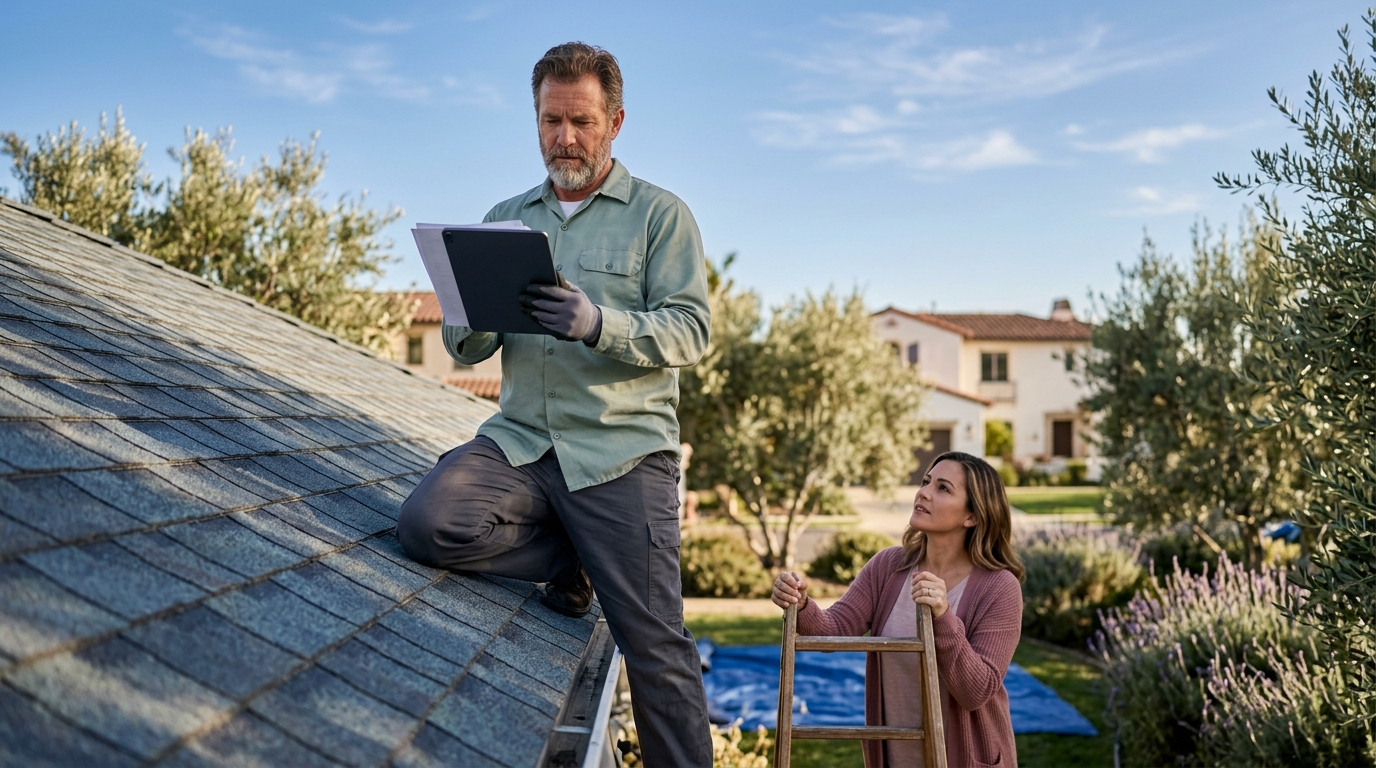
Contractors should hold current California state licensing and demonstrate familiarity with the 2026 Title 24 updates affecting waterproofing work. Industry certifications in elastomeric coating applications, flat roof systems, and tile roof treatments indicate specialized expertise. Property owners in Carlsbad, Escondido, and other San Diego County communities should request documentation of relevant training and certifications before hiring a contractor.
How Do Local Contractors Stay Current With State Standards?
Professional roofing contractors in San Diego maintain compliance by regularly reviewing updates from the California Building Standards Commission and participating in continuing education. Local contractors serving Santee, La Mesa, Chula Vista, and surrounding areas build relationships with material manufacturers and attend industry training to stay current on the latest sealing technologies and code requirements. This ongoing education ensures installations meet the standards for waterproofing and protective coatings.
How Can Property Owners Maintain Compliant Roof Sealing?
Maintaining compliant sealing protects the investment property owners make in their buildings and ensures continued performance under updated Title 24 standards. Regular maintenance extends the lifespan of sealing systems, prevents small issues from becoming major repairs, and helps properties in San Diego and throughout Southern California remain code-compliant over time.
What Maintenance Extends Roof Coating Lifespan?
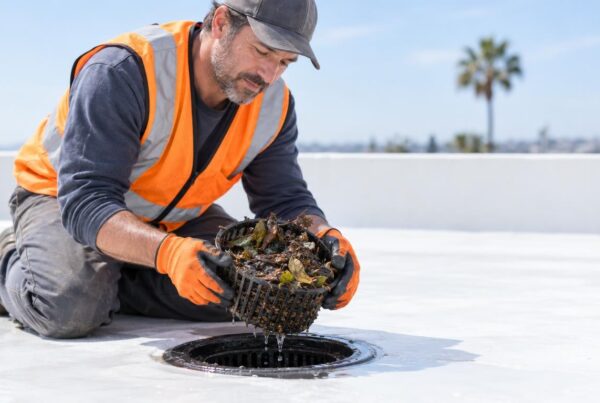
Consistent maintenance practices significantly extend the lifespan of sealing systems. Cleaning debris from roof surfaces, checking for damage after storms, and addressing cracks or wear promptly all contribute to longer-lasting sealing. Professional inspections in fall and spring help identify potential issues before they compromise the sealing system’s integrity for properties in Carlsbad, Escondido, and throughout the region. For guidance on sealing a metal roof, learn which areas need sealing and when repairs are the better choice.
How Often Should Roof Sealing Be Inspected?
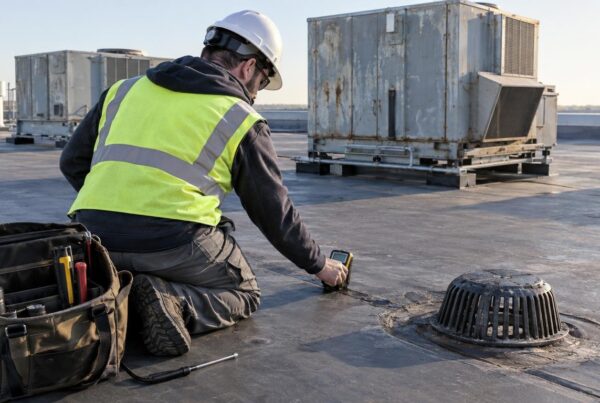
Industry standards recommend professional inspection of sealing at least annually, with additional assessments following significant weather events. Property owners in San Diego County, including those in El Cajon, Poway, and La Mesa, should schedule thorough inspections before summer heat and before the rainy season. Regular inspections help maintain compliant sealing and catch early signs of degradation in elastomeric coatings, flat roofs, and tile systems.
Frequently Asked Questions
What are the 2026 California roof sealing code changes?
The 2026 code updates include errata corrections to the 2025 Triennial Edition of California’s building standards, effective January 1, 2026. These changes address waterproofing, sealing, and protective coating standards for both residential and commercial construction under updated Title 24 requirements.
When did the California Building Standards Code take effect?
The California Building Standards Code took effect statewide on January 1, 2026, replacing the 2022 edition. This triennial update affects Part 2 and Part 2.5 of the California Building Code, which govern waterproofing materials, installation methods, and performance requirements for all California buildings.
How does Title 24 compliance improve roof performance?
Title 24 compliant waterproofing delivers better energy efficiency, stronger moisture protection, and extended roof durability. These code-compliant installations create better thermal barriers to reduce cooling costs during hot months, provide superior waterproofing, and typically last longer than non-compliant systems.
How often should roof sealing be inspected?
Industry standards recommend professional inspection at least annually, with additional assessments after significant weather events. San Diego property owners should schedule inspections before summer heat arrives and before the rainy season each year.
What maintenance extends roof coating lifespan?
Regular maintenance significantly extends sealing system lifespan. Property owners should clean debris from roof surfaces, check for damage after storms, and address cracks or wear promptly. Professional inspections in fall and spring help identify potential issues before they compromise the sealing system. When cracks or wear affect a rubber membrane, sealing a rubber roof begins with cleaning the surface and patching leaks.
Who should handle compliant roof sealing installations?
Compliant sealing installations require licensed roofing contractors with specific knowledge of current California building codes. Look for contractors holding current California state licensing and industry certifications in elastomeric coating and flat roof applications. They should demonstrate familiarity with the 2026 Title 24 requirements for waterproofing and protective coatings.
Conclusion
California’s updated Title 24 building code brings important changes to waterproofing standards that affect property owners throughout San Diego and Southern California. Understanding these requirements helps residential and commercial property owners make informed decisions about sealing, waterproofing, and protective coating projects. Compliant installations improve energy efficiency, strengthen waterproofing, and protect properties for years to come. Working with qualified professionals ensures installations meet the standards and pass required inspections.
Gastelum Roofing serves property owners throughout the San Diego area with professional sealing services designed to meet current code requirements. The team stays current with California building standards and provides expert consultation on compliant installations. Property owners in San Diego, Carlsbad, Escondido, Santee, and throughout the region can contact Gastelum Roofing at 760-295-6593 to discuss their sealing needs and ensure their properties meet standards.