Last updated: September 2, 2026
California’s housing market stands at a pivotal moment. Legislation advancing through the Sacramento in August 2026 could reshape how developers approach new construction projects across San Diego and surrounding communities. The bill targets construction defect litigation that industry experts say has historically stalled housing development efforts, particularly for condos and townhomes. If this legislation gains traction, it could unlock new residential construction throughout the region – from Carlsbad to Chula Vista, Escondido to El Cajon – and drive demand for roofing contractors with the expertise to handle high-quality tile roofing installations. This shift creates a timely opportunity to examine why roofing services featuring this material remain one of the most sought-after choices for homeowners investing in lasting protection for their properties.
How Is California’s New Housing Legislation Affecting San Diego’s Construction Market?
California’s new housing legislation addresses construction defect lawsuits that building industry experts say have created barriers to new multi-unit housing development statewide. The bill, advancing through the California Senate, aims to reduce litigation risks that developers cite as a key obstacle to breaking ground on condo and townhome projects. San Diego’s housing market has experienced limited for-sale inventory, historically low sales activity, and high home prices – conditions that a potential construction surge could meaningfully shift. The city’s housing plan calls for denser residential development, and reduced litigation exposure could give developers the confidence to pursue these projects across communities from Poway to La Mesa.
What Does California’s AB 1903 Mean for Housing Development?
San Diego has long struggled with constrained housing supply, and the city needs solutions that encourage development rather than discourage it. Legislation designed to streamline the construction process for new multi-unit buildings could help address the shortage of for-sale homes in communities like Santee and throughout the region. Developers building these projects need construction partners who can deliver durable, attractive roofing systems that meet modern standards.
Why Are Developers Returning to Condo and Townhome Projects?
When litigation risks decrease, developers gain more confidence to invest in projects that were previously deemed too risky. New condo and townhome construction means more homeowners seeking reliable contractors for everything from initial installation to future maintenance. Experienced tile roof specialists position themselves as ideal partners for these projects by demonstrating the longevity and aesthetic appeal that buyers expect.
What Are the Key Benefits of Tile Roofing for San Diego Properties?
Tile roofs offer exceptional durability and energy efficiency that align perfectly with Southern California’s climate demands. In San Diego’s coastal and inland communities alike, these installations provide reliable protection against sun exposure, occasional heavy rains, and coastal wind conditions. The material’s thermal mass helps regulate indoor temperatures naturally, potentially reducing cooling costs during warm months. Beyond performance, this roofing option enhances property values and curb appeal across diverse architectural styles found throughout San Diego County. For coastal homeowners, a clay tile roof offers cooling benefits worth considering alongside its weather resistance.
How Does Tile Roofing Stand Up to Southern California’s Climate?
Southern California’s climate presents unique challenges that require roofing materials built to last. Clay and concrete tiles resist damage from intense ultraviolet exposure without degrading over time like some roofing materials. Tile roofs handle thermal cycling well – expanding and contracting without cracking when temperatures shift between warm days and cooler evenings. For properties near the coast in Carlsbad or Chula Vista, certain tile products offer resistance to salt air exposure that can compromise lesser roofing systems.
What Energy Efficiency Advantages Does Tile Roofing Offer?
Tile roofing contributes to energy efficiency through its natural insulating properties and ventilation capabilities. The air space beneath properly installed tile creates a thermal barrier that reduces heat transfer into living spaces. This design supports more comfortable indoor environments during San Diego’s warmest periods without over-reliance on air conditioning systems. Energy-conscious homeowners across Escondido, Poway, and La Mesa appreciate how tile roofs help maintain consistent interior temperatures year-round.
What Types of Tile Roofing Materials Are Available for San Diego Homeowners?
San Diego homeowners choosing tile roofing can select from clay tile and concrete tile options, each with distinct characteristics suited to different priorities and budgets. Clay tiles offer timeless Mediterranean aesthetics and exceptional longevity, while concrete tiles provide versatile styling with strong structural performance. Both materials deliver the durability and visual appeal that homeowners in communities throughout San Diego County consistently value.
What Are the Differences Between Clay and Concrete Tile Roofing?
Clay tile roofing is manufactured from natural earthen materials fired at high temperatures, creating a hard, water-resistant surface that can last generations with proper care. Concrete tile roofing combines cement, sand, and water, then cures to form a durable product available in numerous shapes and colors. Clay tiles typically offer superior color retention and resistance to fading from sun exposure, while concrete tiles generally provide greater design flexibility and sometimes lower material costs. Both options outperform many conventional roofing materials in longevity and weather resistance.
Which Tile Roofing Style Complements San Diego’s Architectural Diversity?
San Diego’s neighborhoods showcase remarkable architectural variety, from Spanish Colonial Revival homes in older communities to contemporary designs in newer developments. Terracotta clay tiles pair naturally with Mediterranean, Spanish, and mission-style architecture common throughout areas like La Mesa and older San Diego neighborhoods. Concrete tiles effectively mimic the look of clay while offering styles that suit contemporary and transitional home designs appearing in communities across El Cajon, Santee, and Poway.
What Does the Tile Roof Installation Process Involve in San Diego?
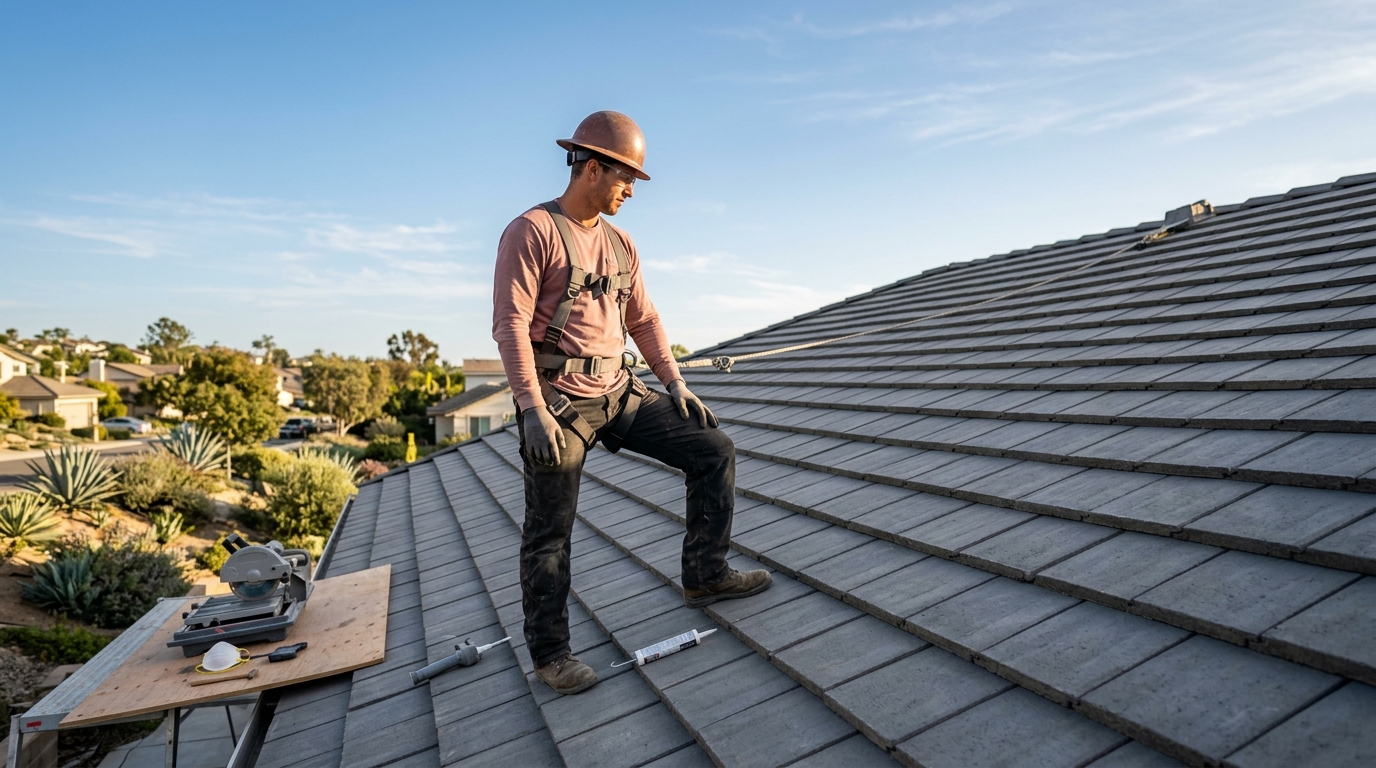
Tile roof installation requires careful planning, proper structural assessment, and skilled craftsmanship to ensure lasting performance. Professional contractors begin by evaluating the existing roof structure to confirm it can support the weight of tile materials. The installation process then proceeds through systematic steps including underlayment placement, flashing installation, and precise tile laying. Homeowners in San Diego and surrounding areas should expect a thorough, methodical approach that prioritizes long-term reliability.
How Do San Diego Contractors Prepare for Tile Roof Installation?
Proper preparation determines the success of any tile roofing project. Contractors inspect the existing deck structure, assess rafter conditions, and verify that current framing meets load requirements for tile materials. Any necessary repairs or reinforcement happens before new installation begins. Professional crews also address ventilation requirements and ensure proper flashing around roof penetrations like chimneys, vents, and skylights during this preparation phase.
What Structural Considerations Matter for Tile Roofing?
Tile roofing weighs considerably more than asphalt shingles, requiring structural assessment before installation. Roof pitch affects which tile products work appropriately – steeper slopes generally handle water runoff more effectively. Contractors verify that ceiling joists and rafters meet minimum requirements for tile loads, adding reinforcement when existing structure falls short. This careful attention to structural requirements protects homeowners from future problems and ensures the roof performs as designed.
How Should San Diego Homeowners Maintain Their Tile Roofs?
Tile roofing requires regular maintenance to preserve its appearance and extend its service life across San Diego’s varied climate zones. Periodic inspections catch minor issues before they develop into costly repairs, protecting the substantial investment homeowners make in quality tile roofing. Maintenance needs differ somewhat between coastal properties and inland locations, reflecting environmental factors unique to each area.
What Regular Inspections Protect Your Tile Roof Investment?
Professional inspections at least annually help identify cracked tiles, damaged flashing, and accumulated debris that could trap moisture. Inspectors examine underlayment condition, check for signs of water intrusion in attic spaces, and assess the integrity of all roof penetrations. Property owners in San Diego should also check gutters and downspouts regularly to ensure proper drainage away from the structure.
How Does San Diego’s Coastal Climate Affect Tile Roof Care?
Properties near the coast in communities like Carlsbad and Chula Vista face exposure to salt air that can accelerate wear on certain materials over time. Coastal homeowners benefit from more frequent inspections and prompt attention to any signs of deterioration. Inland properties in Escondido, Santee, and Poway typically experience different challenges related to temperature extremes and occasional Santa Ana winds, requiring attention to different potential issues during maintenance reviews.
How Do You Know When Your Tile Roof Needs Repair or Replacement?
Recognizing when tile roofing requires professional attention helps homeowners address problems while solutions remain manageable. Visible signs like cracked or missing tiles, persistent leaks, and water stains on interior ceilings indicate that repair may be necessary. Age, storm damage, and gradual deterioration also factor into decisions about whether repair or full replacement makes more sense for a given property.
What Signs Indicate Tile Roof Damage in San Diego?
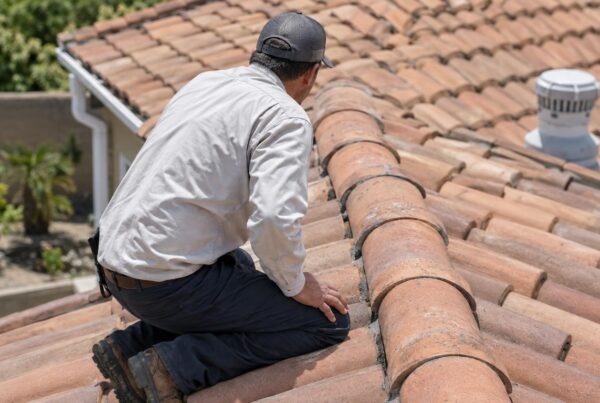
Common indicators of tile roof damage include cracked, chipped, or slipped tiles visible from ground level or during close inspection. Water stains appearing on ceiling surfaces suggest underlayment compromise that requires professional assessment. Dark patches or moss growth on tiles may indicate retained moisture that could lead to deterioration if left unaddressed. Property owners who notice any of these signs should consult qualified tile roofing contractors for thorough evaluation.
Can Individual Tiles Be Repaired, or Is Full Replacement Necessary?
Individual tile repair often suffices when damage is localized and the underlying structure remains sound. Replacing a few cracked or missing tiles costs significantly less than full roof replacement and restores protection effectively when performed properly. Complete replacement becomes the better option when underlayment has deteriorated throughout, when many tiles show age-related wear, or when structural issues require comprehensive correction. Professional assessment helps homeowners make informed decisions based on actual roof conditions.
How Can San Diego Homeowners Get Started With Tile Roofing?
Tile roofing represents a durable, attractive investment that serves San Diego properties well across diverse neighborhoods and architectural styles. From Spanish Colonial homes in established communities to contemporary designs in growing areas, tile roofs deliver lasting performance when properly installed and maintained. As California’s housing market evolves and new construction projects potentially accelerate, experienced tile roofing contractors will play an essential role in helping homeowners protect their properties.
Whether you are considering tile roofing for a new construction project or evaluating replacement options for an existing home, professional guidance makes the difference between a roof that merely functions and one that genuinely enhances your property. Gastelum Roofing brings expertise in tile roof installation, repair, and maintenance to homeowners throughout San Diego County and surrounding communities including Carlsbad, Chula Vista, Escondido, El Cajon, La Mesa, Poway, and Santee.
If your property could benefit from the durability, energy efficiency, and timeless appeal of tile roofing, contact Gastelum Roofing today to discuss your options. Their team provides personalized consultations to help you understand which tile roofing solutions best match your home’s architecture, your climate zone, and your long-term protection goals. Reach Gastelum Roofing at 760-295-6593 to schedule your consultation and take the first step toward a roof that combines beauty with lasting performance for your San Diego home.
Frequently Asked Questions
What are the main benefits of tile roofing for San Diego homes?
Tile roofing offers exceptional durability and energy efficiency suited to San Diego’s climate. The material’s thermal mass helps regulate indoor temperatures, potentially reducing cooling costs during warm months. Tile roofs provide reliable protection against sun exposure, heavy rains, and coastal wind conditions while enhancing property values and curb appeal across diverse architectural styles throughout San Diego County.
How does tile roofing perform in Southern California’s climate?
Tile roofing handles Southern California’s climate exceptionally well. Clay and concrete tiles resist damage from intense ultraviolet exposure without degrading over time. They handle thermal cycling effectively – expanding and contracting without cracking during temperature shifts between warm days and cooler evenings. Properties near the coast benefit from tile products that offer resistance to salt air exposure that can compromise lesser roofing systems.
What is the difference between clay and concrete tile roofing?
Clay tile roofing is manufactured from natural earthen materials fired at high temperatures, creating a hard, water-resistant surface that can last generations with proper care. Concrete tile roofing combines cement, sand, and water to form a durable product available in numerous shapes and colors. Clay tiles typically offer superior color retention and resistance to fading from sun exposure, while concrete tiles generally provide greater design flexibility.
How long can tile roofing last with proper maintenance?
Tile roofing is engineered for exceptional longevity when properly maintained. Clay tiles can last generations with appropriate care, outperforming many conventional roofing materials. Concrete tiles also deliver strong structural performance and long service life. Regular professional inspections at least annually help preserve appearance and extend service life across San Diego’s varied climate zones.
What does the tile roof installation process involve in San Diego?
Tile roof installation requires careful planning, proper structural assessment, and skilled craftsmanship. Professional contractors begin by evaluating the existing roof structure to confirm it can support tile weight. The installation proceeds through systematic steps including underlayment placement, flashing installation around chimneys and vents, and precise tile laying. Homeowners should expect a thorough, methodical approach prioritizing long-term reliability.
How should San Diego homeowners maintain their tile roofs?
Tile roofing requires regular maintenance including professional inspections at least annually to identify cracked tiles, damaged flashing, and accumulated debris. Property owners should check gutters and downspouts regularly to ensure proper drainage. Coastal properties in Carlsbad and Chula Vista benefit from more frequent inspections due to salt air exposure, while inland properties in Escondido and Santee require attention to temperature extremes and Santa Ana wind effects.
When does a tile roof need repair versus full replacement?
Individual tile repair often suffices when damage is localized and the underlying structure remains sound. Replacing a few cracked or missing tiles costs significantly less than full roof replacement. Complete replacement becomes necessary when underlayment has deteriorated throughout, when many tiles show age-related wear, or when structural issues require comprehensive correction. Professional assessment helps homeowners make informed decisions based on actual roof conditions.