
Last updated: November 3, 2026
If you are weighing flat roof replacement against repair, an inspection is the starting point: a leak may be isolated, while recurring damage can point to a broader problem. Gastelum Roofing offers flat roofing and low-pitch roof inspections for San Diego homes and commercial properties.
What is flat roof replacement, and when is it needed?
Flat roof replacement means removing the existing roofing, checking the substrate, addressing drainage where needed, and installing a new waterproofing system. Recurring leaks, cracked seams, blistering, or extensive ponding may make that work more appropriate than repeated repairs.
Which signs suggest a flat roof needs more than a repair?
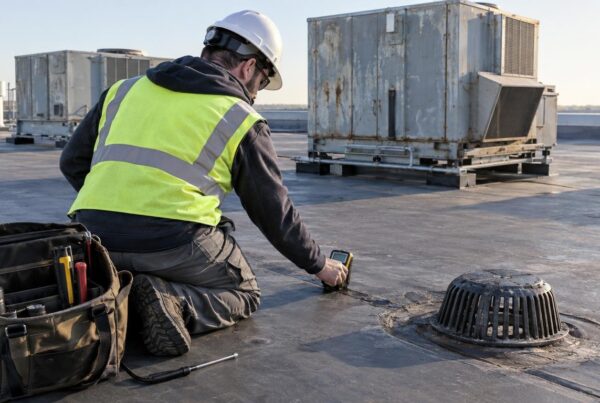
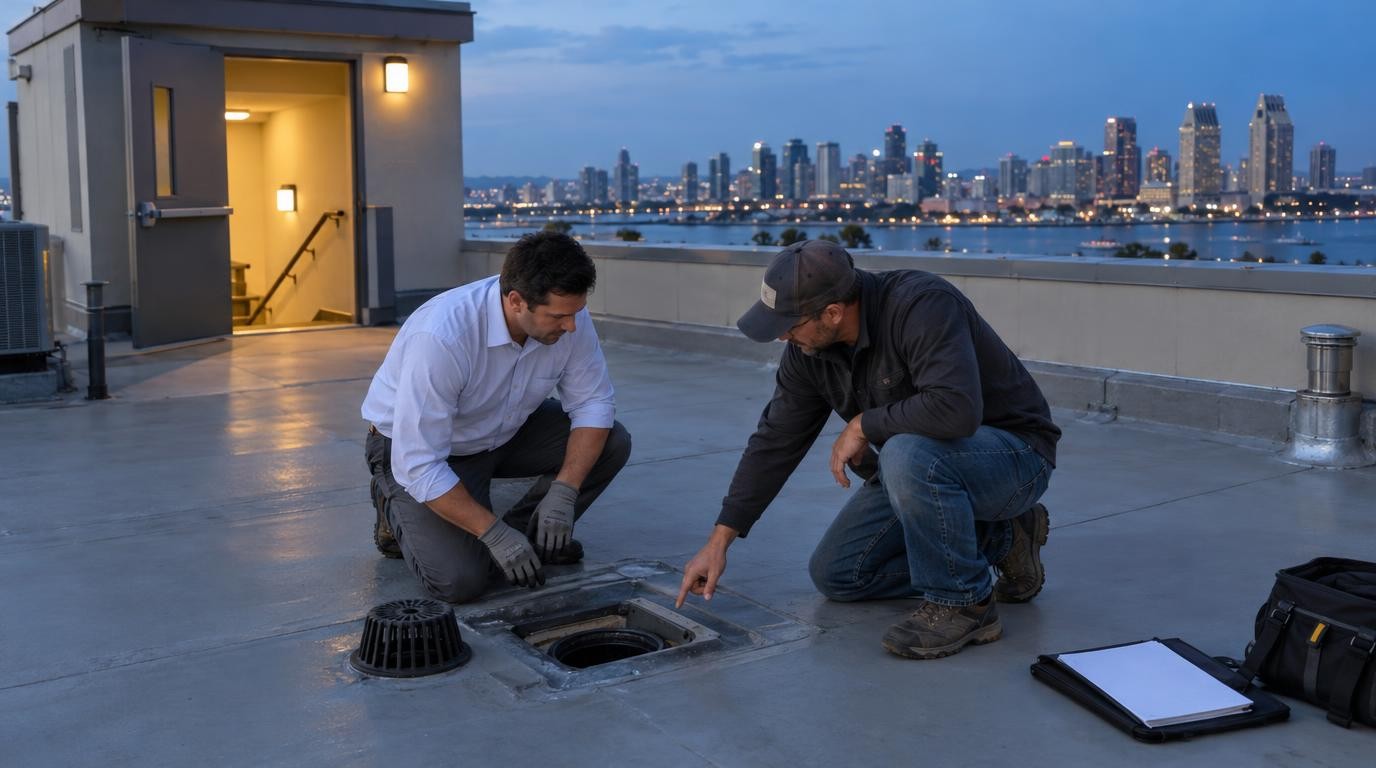
Look for leaks that return after repairs, membrane damage in multiple areas, or water that repeatedly collects because of a drainage problem. A stain indoors does not, by itself, show how much of the roof needs work; water can travel before it becomes visible. Our team examines the membrane, flashing, and drains and looks for signs of damage beneath the roofing before recommending a repair or replacement.
Low-slope systems are used on homes, additions, patio covers, and commercial buildings. Each has details that affect the decision, including roof edges, equipment curbs, and places where pipes or other components pass through the membrane.
Can you repair just a section of a flat roof?
Yes. A targeted flat roof repair may be appropriate when damage is isolated and the surrounding membrane and substrate remain sound. Repair work can address seams, penetrations, transitions, flashing, or edge details. The extent of hidden moisture, membrane wear, and drainage trouble must be checked before anyone can determine whether a section repair will hold.
When might a targeted repair stop being the right choice?
A patch addresses a specific defect, not a roof-wide failure. If leaks recur in different places, the membrane is deteriorating across a large area, or ponding stems from the roof’s drainage layout, repairing one spot may leave the underlying problem in place. Our guide to deciding when flat roofing repair is the right choice explores that distinction.
What if I cannot replace my flat roof right now?
Request our free inspection and ask whether an isolated problem can be repaired to extend the roof’s life. If leaks keep returning or damage is widespread, have us assess the roof before relying on a patch.
Does flat roof replacement need a permit in San Diego?
For a property within City of San Diego limits, the City’s Information Bulletin 123, “Minimum Standards for Renewal of Roof Covering,” is the local guidance for renewing a roof covering. It is not a blanket permit exemption for every flat roof replacement. Before tear-off, we define the work and confirm with City Development Services which permit, inspection, or exemption requirements apply to that property and scope.
How does replacing a roof covering differ from changing the structure or slope?
A roof-covering renewal focuses on the waterproofing assembly. Replacing structural decking or changing framing or slope goes beyond that scope and may call for additional review. The project description should identify proposed deck, drain, and slope work rather than treating every reroof as a covering-only job.
What is the 25% rule for roofing?
The “25% rule” usually refers to a threshold based on the portion of a roof repaired or replaced, sometimes within a specified period, that may trigger broader reroofing or code requirements in another jurisdiction. The City of San Diego’s roof-covering-renewal guidance does not establish a blanket requirement to replace an entire roof once 25% is damaged or repaired. We check the proposed work against the requirements for the property’s jurisdiction rather than applying a threshold from elsewhere.
Who checks the rules for your property’s jurisdiction?
The building department with authority over the property confirms its requirements. City of San Diego guidance does not automatically govern a property in another incorporated city or an unincorporated area of the county. When planning the work, we can identify the roof details and proposed changes so the permit question is based on a clear project scope.
Which flat roof material fits the building and its drainage?
The right flat roof material depends on roof design, drainage, penetrations, and how the building is used. Reflective options and puncture resistance may matter, but no material choice can compensate for unresolved drainage or poor detailing.
How do TPO, PVC, and modified bitumen differ?
TPO and PVC are single-ply membranes installed in sheets with welded seams; modified bitumen is a multilayer, polymer-modified asphalt system. Our flat roof materials checklist can help you compare the complete assembly rather than the membrane alone.
| Material | Construction | Consideration for the project |
|---|---|---|
| TPO | Single-ply sheets with welded seams | Heat-reflective options and careful detailing around penetrations |
| PVC | Single-ply sheets with welded seams | Heat-reflective options and compatibility with building use |
| Modified bitumen | Layered, asphalt-based system | Puncture resistance and the design of the full roof assembly |
A low-slope roof still needs a designed path for water to reach its drains or edges. Slope requirements depend on the roofing system, the applicable code, and the project design; a slope figure associated with one assembly should not be assumed to apply to every flat roof installation.
Can a coating replace a failing membrane?
Not necessarily. Coatings are among the flat roofing solutions we offer, but coating a roof does not establish that the membrane beneath it is sound. An inspection should first determine whether the existing surface, seams, substrate, and drainage can support a coating or whether damaged roofing needs repair or replacement.
What happens during a flat roof replacement?
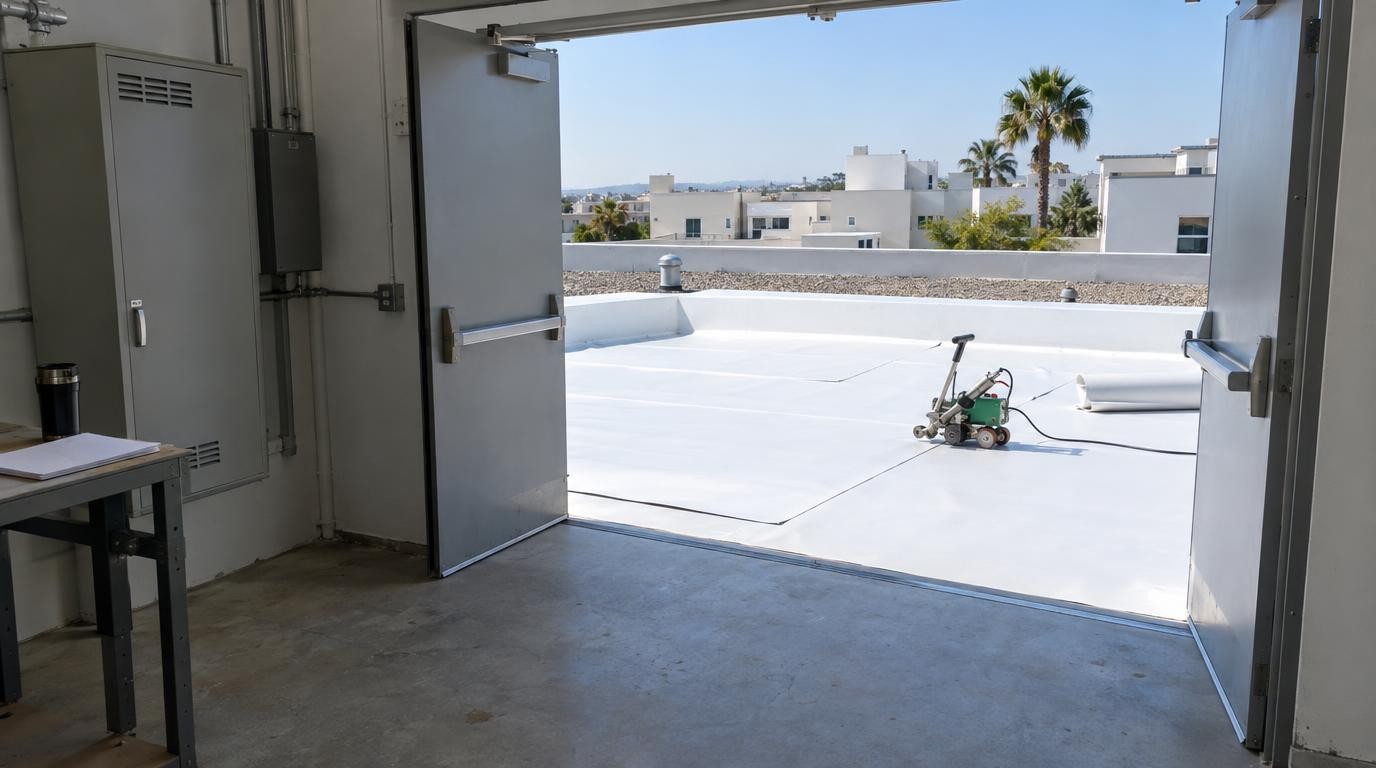
We remove the old roofing, examine the exposed substrate, address drainage where needed, and install the new system with watertight seams and flashing. Concealed deck damage may change the work needed after tear-off.
How are the roof deck, drains, seams, and flashing handled?
Our flat roofing process follows a sequence that makes the waterproofing details clear before installation begins:
- Inspect the existing roof, discuss performance goals, and identify drainage concerns.
- Provide an itemized scope describing the materials, work, and project timeline.
- Remove old roofing materials and examine the exposed substrate for work the new system requires.
- Plan the specified slope and drainage details, then prepare the deck and install the base layer and membrane.
- Complete membrane seams and flashing around drains, edges, penetrations, and equipment curbs.
- Check seams, flashing, and drainage, then clean up the work area.
Examining the deck after tear-off matters because deterioration can be concealed by the old roof. A CDC investigation of flat-roof replacement work documents workers identifying weakened structural decking during a tear-off. That account illustrates why deck conditions need attention before a new assembly covers them.
What should you expect at the final inspection?
Our final quality check covers the completed seams, flashing, and drainage details. If the building department requires an inspection, that is a separate step governed by the approved scope and local requirements. Confirm the required inspections and their timing with the department before work begins.
How long can a replacement flat roof last in San Diego?
With proper installation and maintenance, many flat roofing systems can last 20–30 years or longer, although that lifespan is not guaranteed for an individual roof. Material choice, drainage performance, and sun exposure affect service life. Regular attention to seams, flashing, drains, and debris helps protect the new system.
What maintenance helps protect a new low-slope roof?
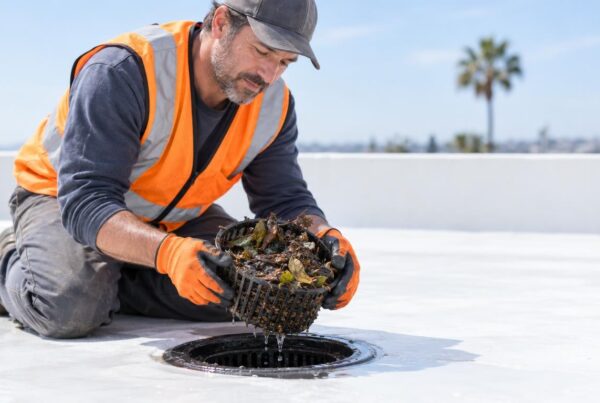
Arrange periodic checks of seams, flashing, drains, and areas around rooftop equipment, with debris cleared as needed. San Diego sun exposes roofing materials to UV light, while seasonal rain tests the membrane and its drainage details. If you notice standing water or a new leak, an inspection can establish whether maintenance or repair is needed without assuming the roof must be replaced.
Frequently Asked Questions
Can I install solar panels on a new flat roof?
Yes, a flat roof can support solar panels when the roofing and mounting system are planned together. We consider membrane penetrations and flashing before installation. Ballasted mounts also require a structural review of roof loads, as explained in this CDC solar-ready roofing guide.
Is it safe to walk on my flat roof to find a leak?
Do not assume a flat roof is safe to walk on. Edges, openings, and concealed weak decking can create fall hazards, even when the surface looks level. Arrange a professional inspection instead of climbing up yourself. A California FACE investigation documented a fatal fall from a flat roof with unprotected edges and an opening.
Can a new flat roof membrane be installed over the old one?
Sometimes an existing roof can remain beneath a new roofing system, but that is not the same scope as a full tear-off and replacement. The existing membrane, substrate, drainage, and applicable local requirements must be evaluated first. At Gastelum Roofing, our replacement process removes old materials so we can inspect the substrate.
Can I turn my replacement flat roof into a rooftop deck?
Not without designing the roof for that use. A waterproof membrane alone does not establish that the structure can carry people, decking, and furniture or withstand regular foot traffic. Tell your roofer about rooftop-deck plans before selecting an assembly, and have the proposed loads, access, waterproofing, and permit requirements reviewed.
Will a reflective flat roof keep my building cooler?
A reflective membrane or coating can reduce the heat the roof absorbs and may improve indoor comfort during hot San Diego weather. It is not a guarantee of a particular indoor temperature or energy saving. We consider reflectivity alongside drainage, membrane compatibility, and the building’s needs when recommending a system. Our guide to flat roof coating explains which types reflect heat and what to consider before choosing one.
What happens if damaged roof decking is found during tear-off?
Damaged decking must be evaluated before the new waterproofing assembly covers it. At Gastelum Roofing, we remove old materials and inspect the exposed substrate to identify work the replacement system needs. The repair scope should account for any affected sections.
What should you confirm before scheduling flat roof replacement?
Before scheduling flat roof replacement, confirm whether repair remains practical, which membrane suits the building, and what substrate or drainage work belongs in the scope. Identify the property’s building department and check its permit and inspection requirements before removal begins. An inspection should turn those questions into a recommendation for the actual roof.
What should a roof inspection and project scope clarify?
- Whether leaks or membrane damage are isolated enough for a repair.
- Which roofing assembly fits the roof’s design, penetrations, and building use.
- Whether the substrate, slope, or drains need work beyond replacing the covering.
- Which jurisdiction will confirm the permit, documentation, and inspection requirements.
Gastelum Roofing offers free roof inspections and recommendations for San Diego residential and commercial properties. If you are deciding between repair and replacement, contact Gastelum Roofing at 760-295-6593 to request an inspection and discuss a scope that fits your roof.