Last updated: November 13, 2026
A roof inspection for insurance can help you respond to an insurer’s request or document suspected damage. In San Diego, our roof inspection service identifies visible concerns and helps prioritize repairs.
What is a roof inspection for insurance?
A roof inspection for insurance is a professional assessment of roofing materials and visible conditions that may be relevant to an insurer’s request or a possible claim. A roofer can identify damage, deterioration, and areas needing attention. The assessment does not determine coverage, satisfy every insurer’s documentation rules, or guarantee claim approval.
An owner might request an inspection after noticing a leak, or an insurer might ask for information about the roof’s condition. The purpose of the visit should be clear before work begins: a general roof condition assessment may not be the same as the specific form or inspection your insurer requires.
Do insurance companies inspect roofs?
Insurance companies may inspect a roof themselves or request information from a property owner or qualified professional, depending on the policy and circumstances. An insurer’s request may concern roof condition, suspected damage, or work completed after an inspection. Confirm the requested inspection method and documentation before arranging a contractor’s assessment.
Who decides what documentation your insurer will accept?
Your insurer decides what it will accept. Ask who must perform the inspection, whether the insurer has a required form, which photographs or other records it needs, and when the information is due. If a claim is involved, ask how to submit findings and whether the insurer plans to inspect the property separately.
What does a roofer check during an insurance-related roof inspection?
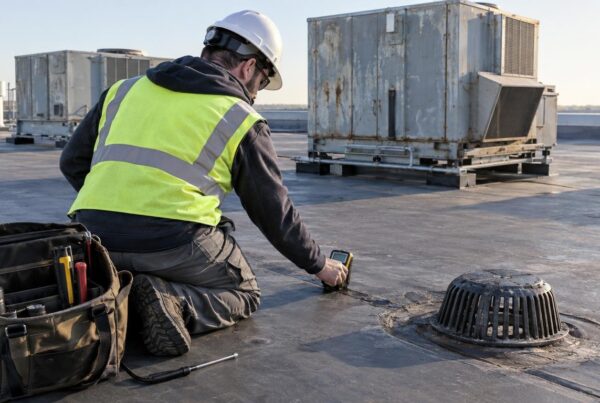
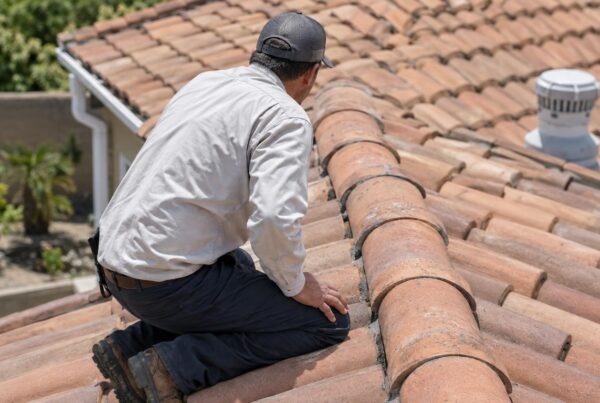
A roofer checks the roof covering, vulnerable connections, drainage, and visible signs of water entry during an insurance-related inspection. At Gastelum Roofing, our team assesses shingle, tile, metal, and low-slope roofs, including flashing, sealants, vents, valleys, and gutters. Findings describe observed conditions, but may not establish when or how damage occurred. For a broader look at what a thorough check covers, see our roof inspection checklist.
- Roofing materials: Cracked, missing, displaced, or visibly worn shingles, tiles, metal components, or low-slope materials.
- Water-entry points: Flashing, sealants, vents, skylights, chimneys, and transitions between roof sections.
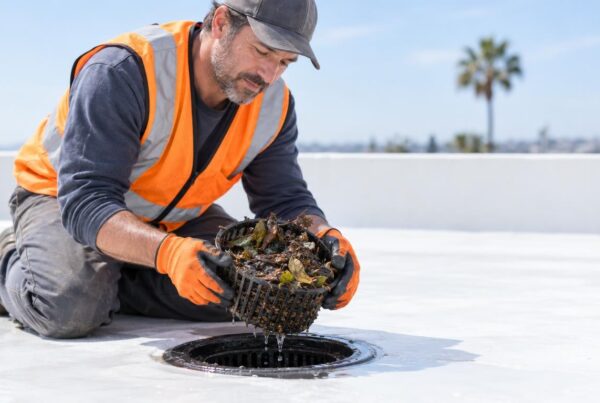
- Drainage: Valleys, gutters, outlets, and low-slope areas where water may not drain as intended.
- Moisture concerns: Visible signs of intrusion or soft decking that may call for further evaluation.
A leak may begin at a connection rather than directly above an interior stain. Our guide to repairing roof flashing leaks explains why identifying the entry point matters before choosing a repair.
What causes roof damage?
Strong winds and heavy rain can damage roofing materials or expose vulnerable areas. Roofs also deteriorate over time: San Diego sun, coastal salt air, aging sealants, foot traffic, and drainage problems can contribute to wear. An inspection can describe the condition and any visible evidence relevant to a suspected event, but the insurer determines how that evidence applies to a claim.
When should you schedule an inspection for coverage or claims?
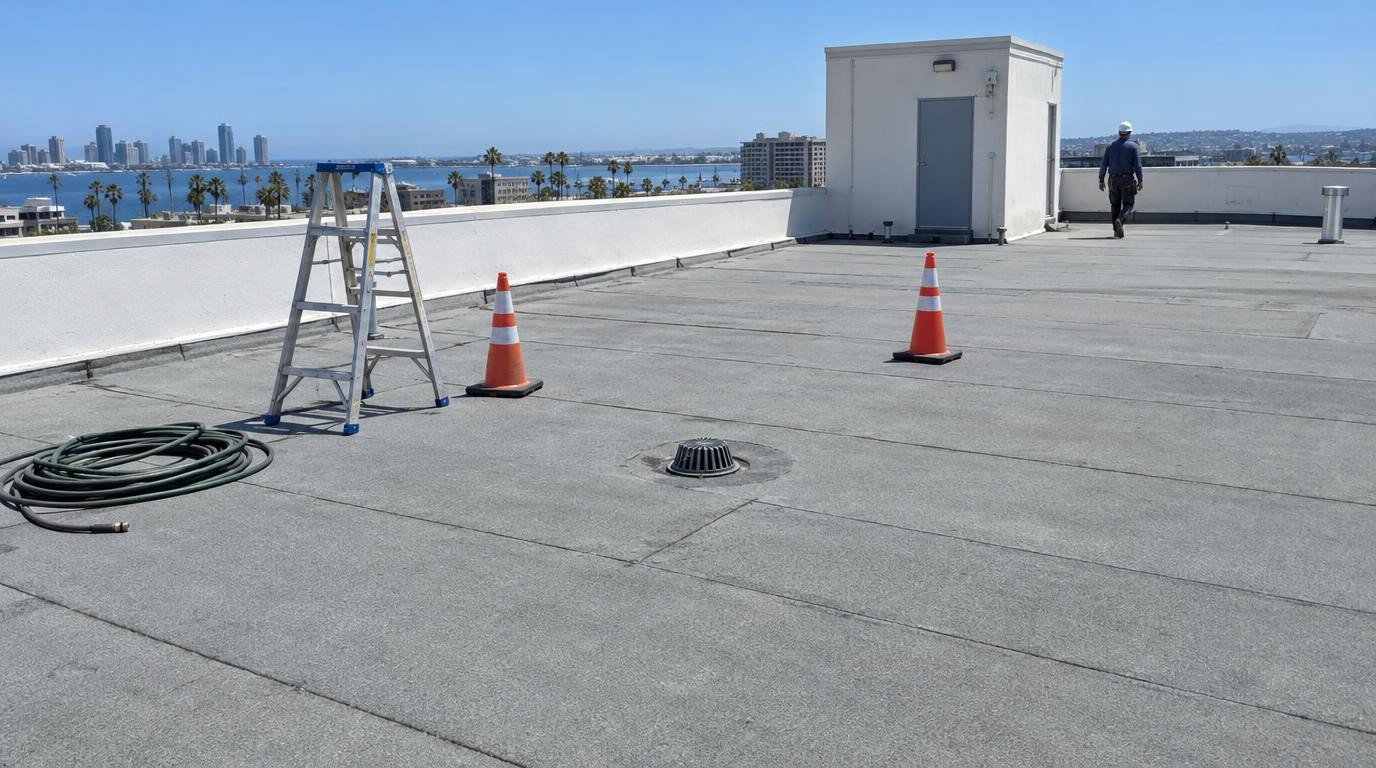
Schedule a roof inspection when your insurer requests one, when you suspect damage after strong winds or heavy rain, or when you notice leaks, missing materials, or unusual wear. An inspection before the rainy season can also help identify maintenance needs. For a possible claim, confirm reporting requirements and deadlines directly with your insurer. For commercial properties, a commercial roof inspection can identify developing problems before they cause leaks.
If your insurer has set a deadline, leave time for the inspection and any requested documentation before that date. If you are weighing what to look for following a storm, our storm-ready roof inspection guide offers additional context.
How often should a flat roof be checked?
For most homeowners with a flat or low-slope roof, we recommend an inspection once a year and after strong winds or heavy rain. Arrange an earlier check if you notice a leak or a change in drainage, and follow any different frequency your insurer requires.
How can you prepare for an insurance-related roof inspection?
Prepare by gathering your insurer’s request and sharing what you know about the roof before the appointment. The roof’s approximate age, material, known leaks, prior repairs, and areas of concern help us focus the assessment. Leave roof access to a qualified professional.
Keep any relevant correspondence available so you can explain the reason for the inspection accurately. If you have noticed an interior stain or a change after severe weather, identify its location and when you first noticed it without assuming where water entered the roof.
How does Gastelum Roofing inspect a roof in San Diego?
- Initial review: We discuss the roof type, approximate age, and any leaks, wear, or suspected damage you have observed.
- Roof evaluation: On the roof, we examine accessible materials, flashing, penetrations, and drainage for damage or vulnerable areas.
- Findings and priorities: We explain the observed condition and recommend practical repair or maintenance options.
- Work planning: If work is needed, we can provide an estimate and a plan for the proposed repairs.
What should a roof inspection report look like?
A useful roof inspection report identifies the property and inspection date, describes the roof type and observed condition, and locates specific concerns. Photographs, if available, can show what the inspector observed. Recommended next steps should distinguish repairs from items to monitor. Before scheduling, confirm what written documentation and photographs we can provide; our inspection does not automatically include a written report or an insurer-specific form.
Is a roof inspection the same as a roof certification inspection?
A roof condition assessment is not automatically a roof certification inspection. The distinction matters when an insurer requests a specific document:
| Inspection | What it covers | What to confirm |
|---|---|---|
| Roof condition assessment | Observed conditions and repair or maintenance priorities. | Whether the insurer accepts the inspector and documentation. |
| Roof certification or insurer-specific inspection | The statements and records required for that document. | Who may issue it and whether a separate inspection is required. |
Neither routine findings nor completed repairs automatically establish coverage, eligibility, or a certified remaining roof life.
If your request uses the word “certification,” ask the insurer precisely what document it means and who may issue it. Confirm those requirements with Gastelum Roofing before arranging an inspection rather than assuming a standard condition assessment will meet them.
What should you do if the inspection finds roof damage?
If an inspection finds roof damage, separate concerns needing prompt leak protection from conditions that can be monitored or addressed through planned maintenance. Keep the findings and any available photographs. If a claim is possible, ask your insurer about its reporting and inspection process before permanent work when feasible, while following its guidance.
If water is entering the building, describe the active leak when you call so the immediate protection needed is clear. Our San Diego roof leak repair guide explains why locating the source matters.
Frequently Asked Questions
Is Gastelum Roofing’s roof inspection free if I don’t schedule repairs?
Yes. At Gastelum Roofing, we offer no-cost roof inspections without pressure to book repairs. We assess the roof’s condition and explain what needs attention, what can be monitored, and what appears sound. If repairs are appropriate, we can discuss options and provide an estimate; you decide whether to proceed.
Can my insurance company require roof repairs after an inspection?
Yes, an insurer may request repairs or proof that work was completed, depending on its policy and the roof’s condition. Ask your insurer which items must be addressed, what documentation it needs, and its deadline. We can explain repair priorities and provide a work plan, but the insurer sets its requirements.
What should I do if my roof is leaking before the insurance adjuster visits?
Arrange prompt protection against further water entry and contact your insurer about its claim procedures. Photograph the leak and visible damage when it is safe to do so, and keep records of any temporary work. Tell us the leak is active when you call so we can discuss immediate roofing needs.
Can a visual roof inspection find hidden water damage?
Not reliably. A visual inspection can identify visible moisture signs, soft decking, and areas where water may enter, but concealed damage may need further evaluation. At Gastelum Roofing, we examine accessible roofing materials, flashing, penetrations, and drainage, then explain what we observed without treating unseen conditions as confirmed findings.
Can I use a roof inspection from a home purchase for homeowners insurance?
Possibly, but only if your insurer accepts that inspection and its documentation. We inspect roofs for buyers and sellers and explain observed conditions and repair needs. Before relying on an existing inspection, ask your insurer whether it meets its requirements for inspector qualifications, report format, photographs, and inspection date.
Will drone photos or pictures taken from the ground satisfy my insurer’s roof inspection request?
They may not. Your insurer decides whether photos alone are sufficient or whether it requires an on-roof assessment, a qualified inspector, or a specific form. Ask before submitting images. At Gastelum Roofing, our professional inspection evaluates accessible roof components and vulnerable details that a view from the ground may miss.
What is the next step if your insurer requests a roof inspection?
Once you know your insurer’s requirements, arrange a roof assessment and confirm what records we can provide. Review the findings, discuss repair priorities, and submit the requested information through your insurer’s process.
If you need clarity about your roof’s condition in San Diego, contact Gastelum Roofing at 760-295-6593 to discuss an inspection. We can assess the roof and explain practical next steps.