
Last updated: July 13, 2026
For San Diego homeowners, roof maintenance has long depended on a stable supply chain of quality materials and reliable local contractors. A major shift in the building materials industry may reshape how contractors across the region source products and price services in the coming months. Understanding these changes helps property owners make informed decisions about roof leak repair and long-term maintenance.
What Does the QXO-TopBuild Acquisition Mean for San Diego Roof Repair?
QXO’s $17 billion acquisition of TopBuild closed in early July 2026, creating North America’s largest distributor with leading positions in insulation, waterproofing, roofing, lumber, and building materials. This transaction represents QXO’s largest acquisition to date, significantly expanding its building products value chain. The company expects to achieve $300 million in annual synergies by 2030, which may influence pricing and availability across regional supply networks. San Diego roofing contractors may encounter shifting supplier relationships and pricing dynamics as national distribution giants consolidate. Homeowners who understand these supply chain shifts can make more strategic decisions about when to schedule repairs and how to evaluate contractor proposals. Industry consolidation often brings both challenges and opportunities for local markets, depending on how regional distributors adapt their service models.
How Could Supply Chain Changes Impact Roofing Costs and Availability?
When major distributors consolidate, the effects ripple through local contractor networks. Roofing materials that were previously sourced through multiple suppliers may now flow through consolidated channels, potentially affecting lead times and product selection. Contractors in areas like Santee, Escondido, and La Mesa may need to adjust their procurement strategies to maintain consistent service for customers. However, established local contractors often maintain strong relationships with multiple suppliers, which can help buffer against widespread supply disruptions.
Why Should San Diego Homeowners Pay Attention to Building Materials Consolidation?
Understanding industry consolidation helps homeowners anticipate potential changes in service availability and pricing transparency. When large distributors control more of the supply chain, contractor pricing models may shift accordingly. Property owners in communities like Carlsbad, Chula Vista, and Poway who stay informed about these trends can better timing their roof maintenance investments. Working with established local contractors like Gastelum Roofing provides a strategic advantage, as these professionals navigate supply chain complexities on behalf of their clients.
How Can I Tell If My Roof Needs Leak Repair?
Early detection of roof leaks prevents minor issues from becoming major repairs. Visible signs often appear both inside and outside the home, and recognizing these indicators helps homeowners address problems before significant water damage occurs. San Diego’s diverse architecture means leaks can manifest differently depending on roof type and construction style. Regular visual checks, especially after seasonal changes, allow homeowners to catch potential issues early.
What Visible Signs Indicate a Roof Leak in My Home?
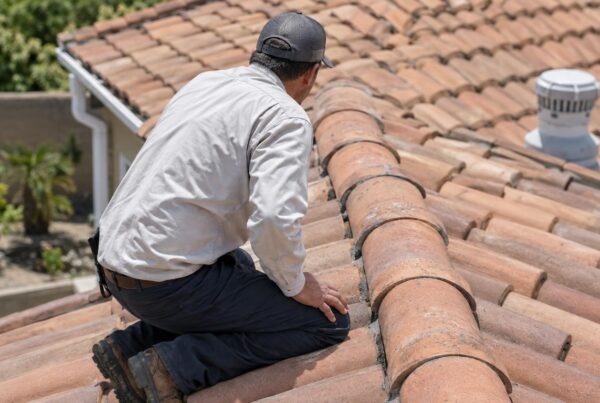
Exterior warning signs include missing, cracked, or curled shingles, particularly after high winds or severe weather. Dark streaks on roof surfaces may indicate algae growth or water saturation. Rust on metal flashing around chimneys, vents, and skylights often signals deterioration that could allow water intrusion. In neighborhoods throughout El Cajon and San Diego, sagging roof sections or visible holes require immediate professional assessment.
What Are the Most Common Indoor Signs of Water Intrusion?
Inside the home, water stains on ceilings or walls typically appear as brownish discoloration and often spread gradually over time. Peeling paint or bubbling wallpaper near ceiling edges frequently indicates moisture problems above. A musty odor in certain rooms may suggest hidden water accumulation in attic spaces or behind walls. In multi-story homes, water stains on upper-floor ceilings often trace to roof issues on the level above.
What Issues Require Leak Repair in San Diego Homes?
Roof leaks in San Diego develop from several common sources, each requiring specific detection and repair approaches. Understanding these root causes helps homeowners communicate more effectively with contractors and prioritize maintenance efforts. Local climate patterns, architectural features, and material aging all contribute to leak development across the region’s diverse housing stock.
How Do Weather Patterns Affect Roof Integrity?
While San Diego enjoys mild weather overall, seasonal variations still impact roof materials. Intense summer heat causes thermal expansion that stresses sealants and flashing. The occasional heavy rains that sweep through areas like La Mesa and Santee test roof drainage systems. Coastal communities such as Carlsbad experience salt air exposure that accelerates corrosion on metal components. Even dry Santa Ana winds can lift and curl shingles, creating entry points for moisture.
Why Do Skylights and Chimneys Often Develop Leaks?
Skylights and chimneys penetrate the roof plane, creating seams that require careful waterproofing. The intersection of vertical and horizontal surfaces creates stress points where movement and weathering concentrate. Flashing around these features can deteriorate over time due to UV exposure and temperature fluctuations. Poor installation, aging sealants, or inadequate slope can all contribute to leaks at these penetration points. Regular inspection of these vulnerable areas prevents water from entering through compromised joints. Around roof-mounted HVAC units, AC leak repair may involve fixing flashing, seals, and other roof penetrations.
What Role Does Roof Flashing Play in Preventing Leaks?
Roof flashing creates watertight barriers at joints, valleys, and transitions between different roof sections. This thin material, often aluminum or galvanized steel, directs water away from vulnerable areas rather than allowing it to pool or seep beneath shingles. When flashing corrodes, loosens, or develops gaps, water finds pathways into the structure below. Proper flashing installation during roof replacement and regular maintenance of existing flashing significantly extends roof lifespan.
How Do Professionals Detect Hidden Roof Leaks?
Professional roofers employ specialized techniques to locate leak sources that may not align with visible interior damage. Water follows the path of least resistance, often traveling far from its entry point before becoming apparent inside the home. Effective leak detection requires systematic investigation combining visual assessment, moisture measurement, and sometimes thermal imaging technology. Experienced contractors understand how buildings are constructed and where water typically travels through various structural components.
What Technology Helps Find Leak Sources?
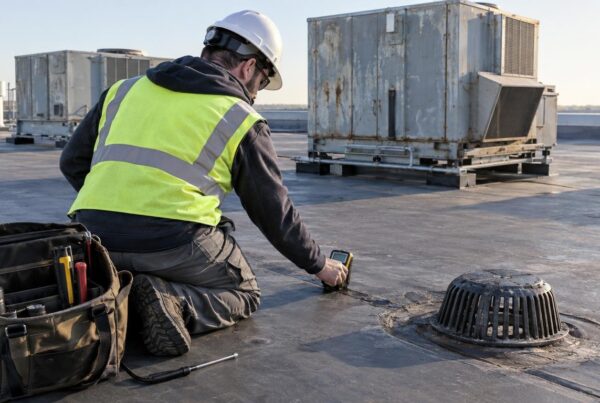
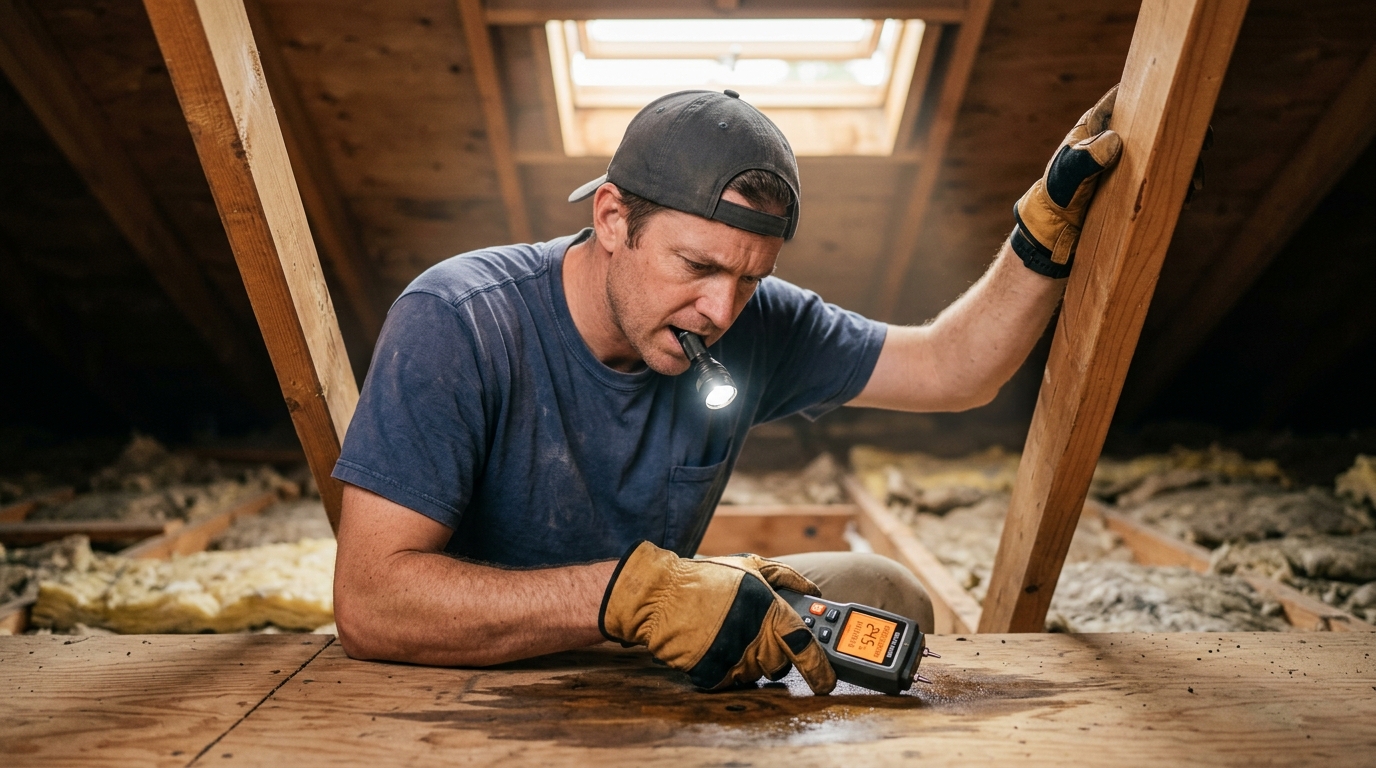
Moisture meters measure water content in roofing materials and underlying structures, helping identify areas of saturation that aren’t visible from the surface. Some professionals use thermal imaging cameras that reveal temperature differences caused by moisture, showing where water has infiltrated insulation or structural elements. These tools allow for precise targeting of repairs rather than exploratory guessing. Electronic leak detection can trace water pathways through non-invasive methods when appropriate.
Why Is Proper Leak Detection Important Before Repairs?
Accurate diagnosis prevents unnecessary roof work and ensures repairs address the actual source rather than just symptoms. Repairing visible ceiling stains without identifying the entry point often leads to recurring problems and wasted expense. Professional assessment in areas like Poway and Escondido considers roof age, previous repairs, and construction details that inform where to look for the true leak source. Thorough detection saves homeowners money over time by preventing repeated repairs to the wrong areas.
How Are Different Types of Roof Leaks Repaired?
Effective roof leak repair requires matching the solution to the specific cause and location of the problem. Different roof features and materials present unique repair challenges that skilled contractors address using appropriate techniques. Understanding common repair approaches helps homeowners evaluate contractor recommendations and appreciate the complexity involved in lasting solutions.
What’s Involved in Flashing Repair and Replacement?
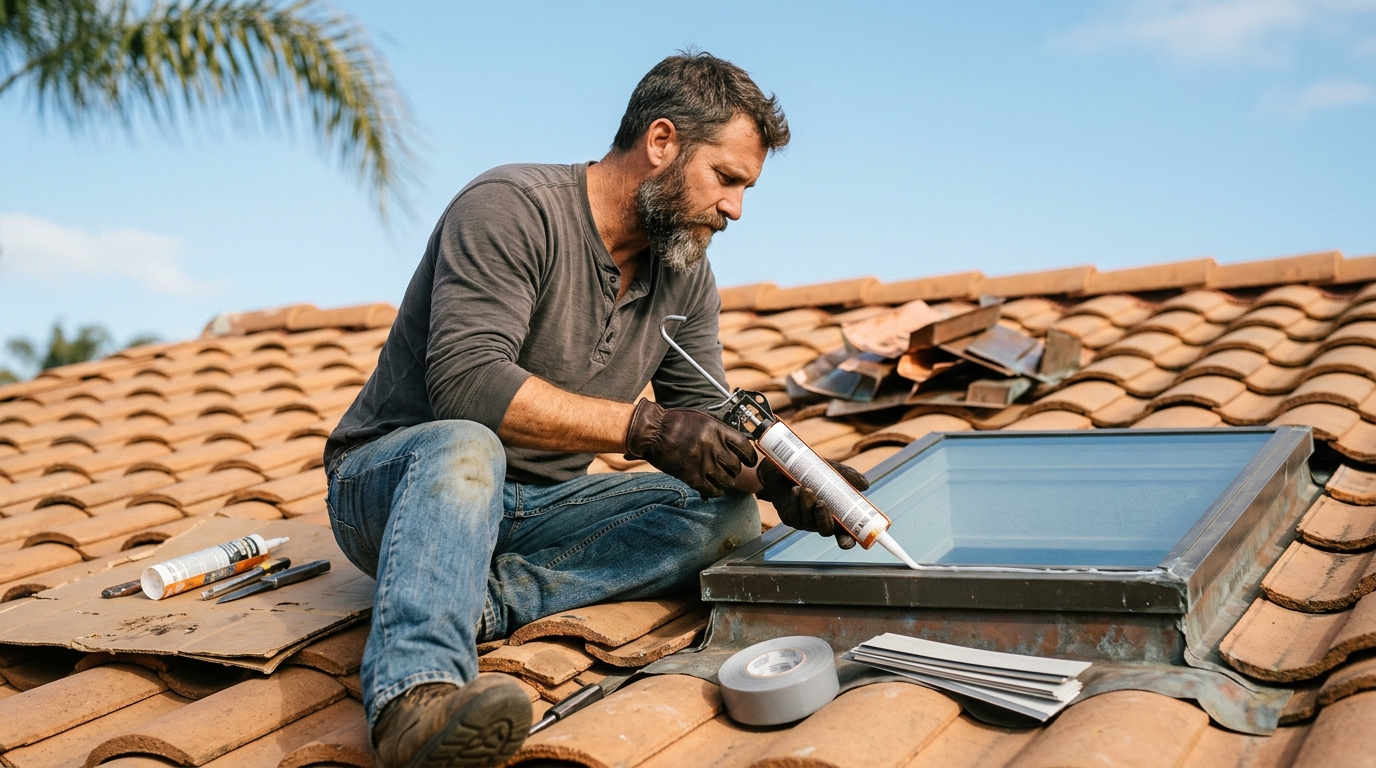
Flashing repair typically involves removing damaged sections and installing new material that integrates properly with surrounding roofing. Step flashing along walls and chimney bases requires careful installation to maintain water-shedding continuity. Valley flashing in areas where two roof planes meet handles significant water flow and must remain securely fastened. When flashing cannot be effectively repaired, full replacement during a targeted roof section repair provides a permanent solution.
How Are Skylight Leaks Addressed?
Skylight leak repair begins with examining the flashing around the unit’s perimeter and checking the glazing seals for deterioration. Sometimes the issue originates from a cracked or broken skylight glass that requires full unit replacement. In other cases, degraded weatherstripping or underlayment around the opening allows water penetration. Proper slope adjustment or adding counterflashing can resolve leaks caused by water pooling at the skylight edges.
When Should I Call for Emergency Roof Leak Repair?
Not every roof leak requires immediate emergency response, but certain situations demand urgent professional attention. Understanding when to seek emergency service helps prevent extensive property damage and protects home contents. Professional contractors can implement temporary stabilization measures while arranging for comprehensive permanent repairs.
What Qualifies as an Urgent Roof Leak Situation?
Active water intrusion during heavy rain that threatens interior spaces or electrical systems requires immediate response. Large sections of roof missing or significantly damaged during storms constitute emergency conditions. Water entering near electrical panels, light fixtures, or valuable possessions creates safety hazards and potential property loss. In these situations, professional emergency roof leak repair provides rapid protection while permanent solutions are developed.
What Temporary Measures Can I Take Before Help Arrives?
Placing buckets or tarps to direct water away from valuable items and living spaces minimizes interior damage. Moving electronics, furniture, and personal belongings from affected areas prevents water-related losses. If safe to access, clearing debris from gutters and downspouts may reduce water volume entering the structure. Documenting the damage with photographs helps support insurance claims and contractor assessment.
How Can I Prevent Future Roof Leaks?
Preventive maintenance extends roof lifespan and minimizes costly repairs by addressing minor issues before they escalate. Regular attention to roof condition and surrounding systems catches problems early when they’re easier and less expensive to resolve. San Diego’s climate makes routine maintenance particularly valuable for protecting this critical home component.
What Maintenance Extends My Roof’s Lifespan?
Keeping gutters and downspouts clean ensures proper water drainage away from the roof and foundation. Trimming overhanging tree branches prevents physical damage and reduces debris accumulation. Replacing degraded sealants around roof penetrations maintains waterproof barriers at vulnerable points. Professional roof leak repair completed promptly prevents small issues from developing into major structural concerns.
How Often Should San Diego Roofs Be Inspected?
Most roofing professionals recommend annual inspections, ideally before the rainy season arrives. Inspections following significant storms or high winds catch damage that may not be immediately apparent from inside the home. Properties in areas prone to severe weather, such as El Cajon or Santee, may benefit from twice-yearly assessments. Regular professional evaluation identifies developing issues early, allowing for planned repairs rather than emergency responses.
San Diego homeowners benefit from partnering with experienced local contractors who understand regional construction practices and climate considerations. Whether addressing a current leak or implementing preventive maintenance, professional guidance ensures lasting solutions. Gastelum Roofing provides comprehensive roof leak repair services throughout the San Diego area, serving communities including Carlsbad, Chula Vista, Escondido, La Mesa, Poway, Santee, El Cajon, and surrounding regions. Contact their team at 760-295-6593 to discuss your roof maintenance needs and schedule a professional consultation.
Frequently Asked Questions
What are the most common indoor signs of water intrusion from a roof leak?
Water stains on ceilings or walls typically appear as brownish discoloration and often spread gradually over time. Peeling paint or bubbling wallpaper near ceiling edges frequently indicates moisture problems above. A musty odor in certain rooms may suggest hidden water accumulation in attic spaces or behind walls. In multi-story homes, water stains on upper-floor ceilings often trace to roof issues on the level above.
Why do skylights and chimneys often develop roof leaks?
Skylights and chimneys penetrate the roof plane, creating seams that require careful waterproofing. The intersection of vertical and horizontal surfaces creates stress points where movement and weathering concentrate. Flashing around these features can deteriorate over time due to UV exposure and temperature fluctuations. Poor installation, aging sealants, or inadequate slope can all contribute to leaks at these penetration points. Regular inspection of these vulnerable areas prevents water from entering through compromised joints.
How do professionals detect hidden roof leaks?
Moisture meters measure water content in roofing materials and underlying structures, helping identify areas of saturation that aren’t visible from the surface. Some professionals use thermal imaging cameras that reveal temperature differences caused by moisture, showing where water has infiltrated insulation or structural elements. These tools allow for precise targeting of repairs rather than exploratory guessing. Electronic leak detection can trace water pathways through non-invasive methods when appropriate.
What does the QXO-TopBuild acquisition mean for San Diego homeowners?
QXO’s $17 billion acquisition of TopBuild closed in early July 2026, creating North America’s largest distributor with leading positions in insulation, waterproofing, roofing, lumber, and building materials. This transaction may influence pricing and availability across regional supply networks as roofing materials flow through consolidated channels. San Diego roofing contractors may encounter shifting supplier relationships and pricing dynamics as national distribution giants consolidate.
When should I call for emergency roof leak repair?
Active water intrusion during heavy rain that threatens interior spaces or electrical systems requires immediate response. Large sections of roof missing or significantly damaged during storms constitute emergency conditions. Water entering near electrical panels, light fixtures, or valuable possessions creates safety hazards and potential property loss. In these situations, professional emergency roof leak repair provides rapid protection while permanent solutions are developed.
How often should San Diego roofs be inspected?
Most roofing professionals recommend annual inspections, ideally before the rainy season arrives. Inspections following significant storms or high winds catch damage that may not be immediately apparent from inside the home. Properties in areas prone to severe weather, such as El Cajon or Santee, may benefit from twice-yearly assessments. Regular professional evaluation identifies developing issues early, allowing for planned repairs rather than emergency responses.
What maintenance extends a roof’s lifespan?
Keeping gutters and downspouts clean ensures proper water drainage away from the roof and foundation. Trimming overhanging tree branches prevents physical damage and reduces debris accumulation. Replacing degraded sealants around roof penetrations maintains waterproof barriers at vulnerable points. Professional roof leak repair completed promptly prevents small issues from developing into major structural concerns.