
Last updated: October 19, 2026
To repair a roof leak, protect the interior, find where water enters the roof, repair the failed roofing detail, and check the repaired area and drainage. A ceiling stain may be far from the entry point, so covering the stain or sealing the spot directly above it may not stop the leak.
How do you repair a roof leak from start to finish?
Roof leak repair follows these steps:
- Contain dripping water safely indoors without going onto the roof.
- Inspect indoor symptoms and roof details to locate the entry point and assess moisture.
- Provide an itemized estimate of the proposed work and timeline.
- Repair or replace the failed shingle, tile, flashing, underlayment, or membrane detail using a method suited to the roof.
- Check the repaired area and drainage, then clean up.
At Gastelum Roofing, our roof leak repair service begins with tracing the leak rather than assuming the visible stain identifies the roof opening. What looks like a small interior drip can involve a different roof detail farther away.
Can you fix a roof leak yourself?
You can safely move belongings, cover items you cannot move, and catch dripping water from inside the building. Roof work is different: damaged materials, concealed moisture, and fall hazards make diagnosis and repair a job for a roofing professional. Never climb onto a wet roof to look for a leak or apply a patch.
What should you do if your roof is leaking in the rain?
If a roof is leaking during rain, move or cover belongings, contain drips indoors, and stay clear of wet electrical fixtures, outlets, and equipment. Request professional emergency roof leak mitigation without going onto the roof. A roofer may divert water or seal an opening temporarily where appropriate, then assess the permanent repair after conditions permit.
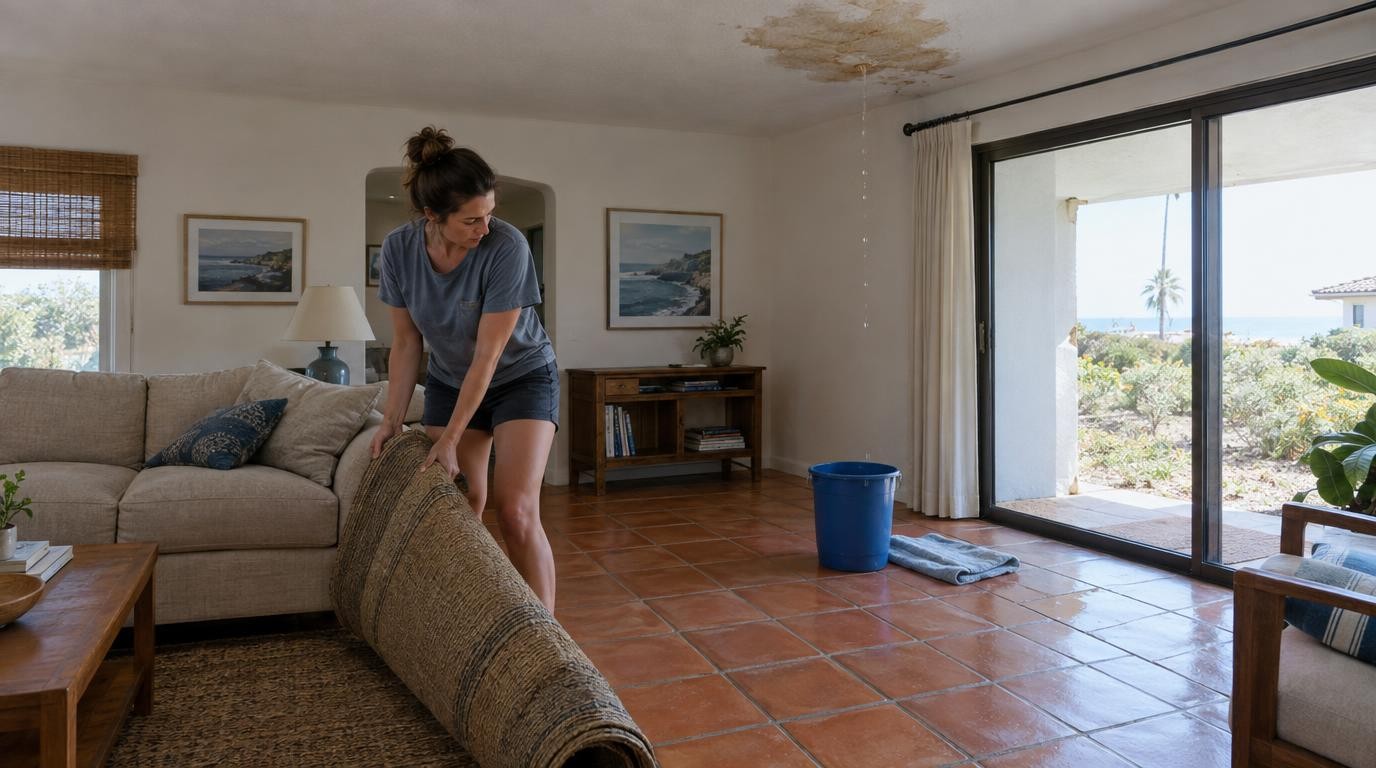
- Move furniture, inventory, and other belongings away from the drip, or cover items that cannot be moved safely.
- Place a stable container beneath dripping water and keep people clear of slippery floors.
- Avoid contact with wet lights, wiring, outlets, and equipment. If water is near electrical components, keep clear and seek appropriate professional help.
- Record where water appears and contact a roofing professional for leak mitigation and diagnosis.
The Centers for Disease Control and Prevention’s guidance on cleaning safely after a disaster advises fixing roof leaks as soon as possible. After the water is stopped, check affected materials for moisture that may remain out of sight.
What can I put on my roof if it’s leaking?
There is no coating, tape, or tarp that works for every leaking roof. The appropriate temporary measure depends on the roof material, weather, and location of the opening. Our team can use temporary water diversion or sealing where appropriate, but temporary protection does not replace a repair of the entry point. Do not access a wet roof to apply it yourself.
How do you find the source of a roof leak?
Roof leak detection compares indoor signs of water with vulnerable details on the roof. Water can travel beneath roofing materials before reaching a ceiling, so the visible drip may not identify the entry point. An inspection considers valleys, vents, skylights, chimneys, wall transitions, flashing, penetrations, and low-slope drains to trace the water’s route.
Useful observations include when dripping begins, whether it changes with wind-driven rain, and where dampness first becomes visible. A roofer can compare those observations with the roof layout and inspect likely failure points rather than applying sealant wherever a stain appears.
Why might a ceiling stain be far from the roof leak?
Water entering at a failed flashing detail or roof penetration may run along underlayment, decking, or framing before dripping through the ceiling. The ceiling stain marks where water became visible indoors, not necessarily where it passed through the roof. That distinction is why a surface patch directly above the stain can miss the leak.
Should you repair the ceiling before the roof?
Stop the roof leak and address trapped moisture before restoring stained ceiling materials. Otherwise, newly repaired drywall or ceiling tiles may become wet again. A CDC indoor environmental quality evaluation recommends identifying the water source behind ceiling stains and repairing the defects that allow water intrusion.
How do roofers fix leaks in shingles, tile, and low-slope roofs?
Roofers repair leaks by replacing or restoring the failed components of the roofing system, not by covering the indoor symptom. Shingle and tile work may involve damaged surface materials and underlayment; flashing work addresses penetrations and transitions. Low-slope repairs may involve membrane sections, seams, flashing, and drainage, depending on the entry point.
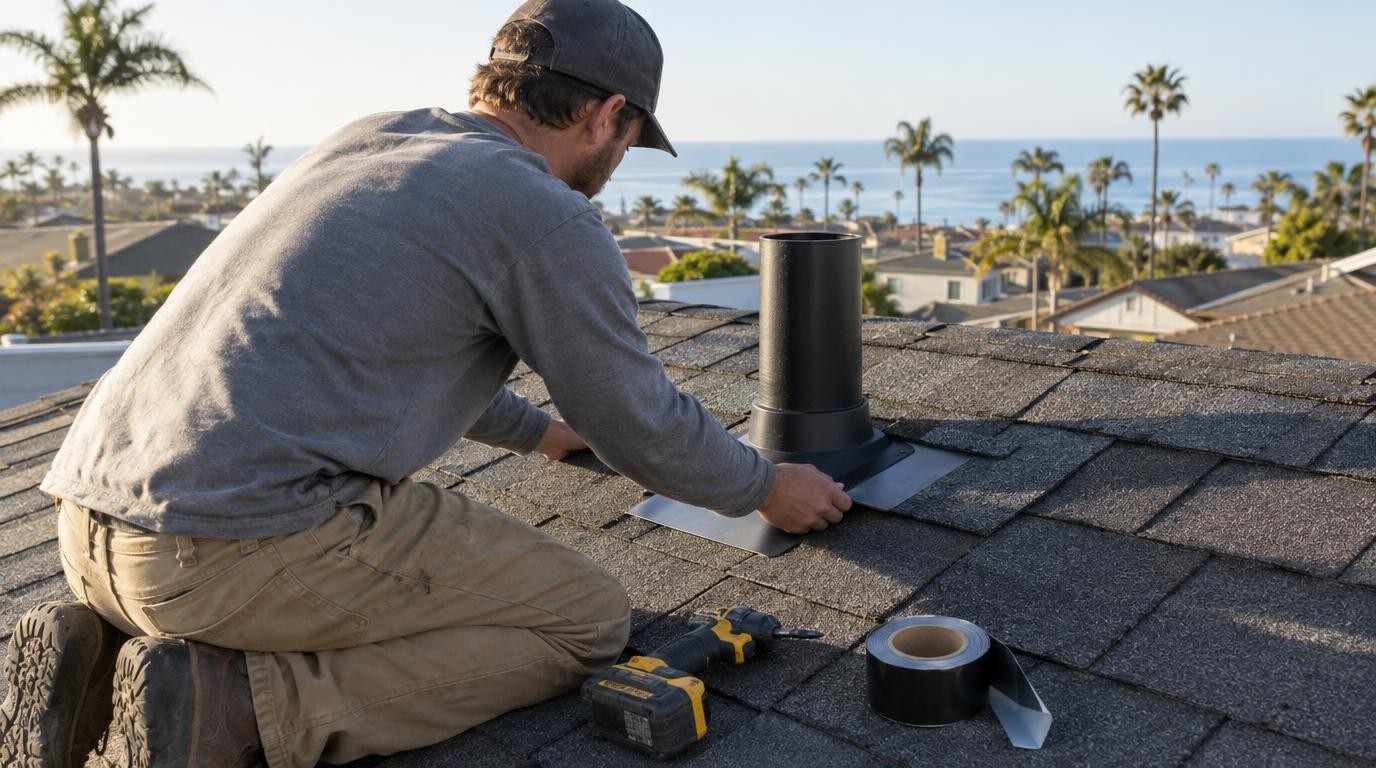
In our roofing work, diagnosis matters as much as the visible repair: the chosen materials and method must fit the roof system and the detail that failed.
How are damaged shingles or tiles repaired?
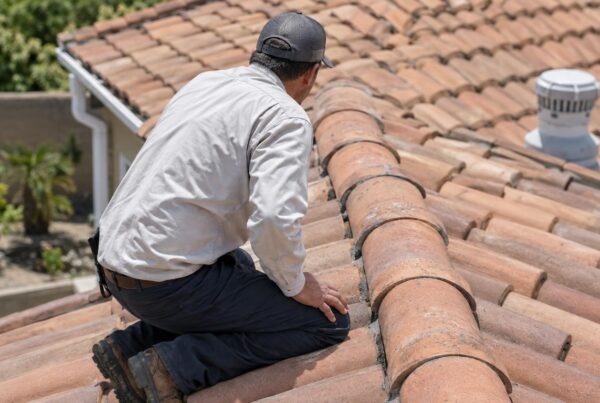
A roofer may replace missing or damaged shingles or tiles and inspect the materials beneath them. On a tile roof, replacing a cracked tile alone may not resolve a leak if the underlayment below is worn. The repair scope depends on what the inspection finds beneath and around the damaged area.
How are flashing, skylight, and chimney leaks repaired?
Roof flashing repair focuses on the metal or other waterproofing details where the roof meets a vent, skylight, chimney, or wall. A roofer checks for displaced flashing, cracked sealant, damaged penetrations, and failed transitions, then repairs or replaces the affected components. Skylight leak repair and chimney leak repair require identifying the particular joint or surrounding roof detail admitting water. For a closer look at these connections, see our guide to repairing roof flashing leaks.
How are low-slope roof seams and drains repaired?
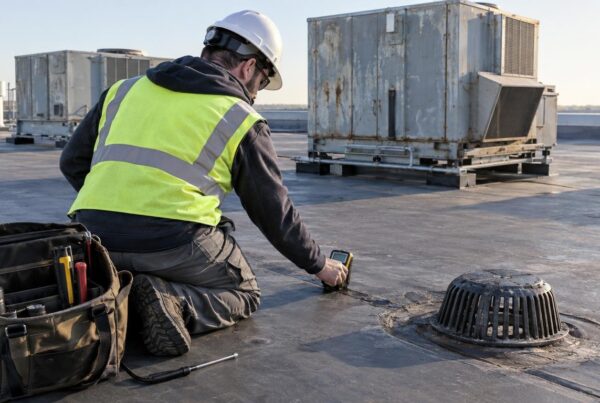
On a low-slope roof, a roofer may repair a damaged membrane section, reinforce a failed seam, or correct flashing around a penetration. The roofer also checks drains and their surrounding waterproofing, clears any obstruction or repairs a failed detail found, and verifies that water drains as intended after the repair. Our low-slope roofing repair guide explains why the condition of the broader system matters when choosing a repair.
How to patch a large hole in a roof?
A large hole in a roof needs prompt professional assessment, not a surface patch applied from above by a property owner. Protect the interior from a safe location and keep people away from the damaged area. A roofer can secure a temporary weather cover to limit water entry while planning the permanent repair; the cover is not the repair itself.
For a lasting repair, the roofer assesses the decking, insulation, and underlayment around the opening and replaces compromised materials as needed. The roofer then restores waterproofing and the roof covering with materials suited to the roof and checks the finished area for watertightness. A CDC-hosted paper on preventing falls through roof openings notes that OSHA regulations require roof holes to be guarded or covered and nearby workers to use personal fall-arrest systems.
What happens during a professional roof leak repair in Carlsbad?
Gastelum Roofing offers free, no-pressure roof inspections for Carlsbad property owners. We evaluate the roof’s condition and signs of moisture before recommending work. Some leaks require further investigation rather than resolution on an initial visit.
After diagnosis, we provide an itemized estimate outlining the proposed materials, work, and expected timeline. The leak source, roof material, extent of damage, and overall roof condition determine whether we recommend a targeted repair or discuss replacement. We perform repairs in compliance with California building standards.
How does a roofer check that the repair is complete?
Our team checks the repaired detail, reviews the surrounding area for related damage, confirms drainage is clear, and cleans up the work area. A completed repair addresses the identified water-entry path; if new water appears later, the roof should be reassessed rather than assuming the original repair covered every possible source.
When is roof leak repair better than roof replacement?
A ceiling stain alone cannot show whether repair or replacement is the better fit; we weigh these roof-inspection findings:
| What inspection finds | Option to consider |
|---|---|
| An isolated defect, such as failed flashing, with the rest of the roof in good condition | Targeted repair of the failed component |
| Recurring leaks, roofing materials near the end of their service life, or widespread underlayment failure | Roof replacement |
How can you prevent another roof leak?
Preventing another roof leak means checking vulnerable roof details and keeping drainage clear, rather than repeatedly covering indoor stains. Periodic attention to flashing, sealants, penetrations, valleys, and drains can reveal deterioration before the next rain exposes it. San Diego County’s strong sun, occasional heavy rain, and seasonal wind make those checks worthwhile.
Look for new interior stains after rain and note any changes in where water appears. An inspection can then focus on the roof details associated with those symptoms. For more on signs that warrant attention, see our guide to roof leak repair in San Diego.
What is roof maintenance?
Roof maintenance is the periodic inspection and care of roofing materials, waterproofing details, and drainage. It may include identifying loose or damaged materials, deteriorated flashing or sealant, and obstructed drains. Maintenance does not mean repeatedly painting over a ceiling stain; it means checking the roof features that help keep water out.
Frequently Asked Questions
Can a roof leak be hidden if nothing is dripping?
Yes. A roof leak may show up as a new ceiling stain, damp insulation, or a musty odor before water drips into a room. At Gastelum Roofing, we inspect indoor symptoms and roof details to find the entry point, because water can travel before it becomes visible.
Why does my roof leak only when it rains and the wind blows?
Wind-driven rain can reach a vulnerable roof joint or penetration that stays dry during calmer rainfall. The pattern is a useful clue, but it does not prove where water enters. Note which rooms become wet and the weather conditions, then have a roofer inspect flashing, transitions, and nearby roof details.
Can a small roof leak damage the roof structure?
Yes. Even a small leak can wet roof decking, framing, or insulation over time. The size of an indoor stain does not show how much material is affected beneath the roof. At Gastelum Roofing, we locate the entry point and evaluate moisture before recommending a repair suited to the damage found.
How soon should I dry wet materials after a roof leak?
Dry wet areas as soon as it is safe and stop the leak promptly. The CDC’s disaster cleanup guidance advises drying a home within 24 to 48 hours after a storm or flood ends, if possible. When safe, open doors and windows to air out the space and aim fans toward windows or outdoors. Items that cannot be cleaned or dried quickly may need to be discarded.
Will a temporary roof seal prevent mold after a leak?
No. A temporary seal may limit incoming water, but it cannot dry materials already wet inside the roof or ceiling. At Gastelum Roofing, we use temporary water diversion or sealing where appropriate, then assess the permanent repair. Prompt drying and attention to damp insulation and ceilings help reduce moisture-related indoor problems.
When should I leave a building with a roof leak?
Leave if you hear shifting or unusual structural noises, and stay out of a damaged building until an appropriate authority determines it is safe. The CDC’s disaster safety guidance identifies those noises as a possible sign of collapse. For an ordinary leak, stay clear of wet electrical components and seek professional help.
What should you do next if the roof still leaks?
If the roof still leaks, continue safe indoor containment, document where and when water appears, and request another professional inspection. A persistent drip may mean the original entry point was not fully identified or that water is entering through another detail. Reassessment should follow the water path before another repair is chosen.
Note whether the leak appears during particular rain or wind conditions, and share any photos of indoor symptoms taken from a safe location. For a roof inspection and a recommendation for targeted repair or replacement where warranted, contact Gastelum Roofing about your Carlsbad property at 760-295-6593.