Last updated: September 23, 2026
Forecasters have upgraded the odds of a significant weather pattern shift, and for homeowners across San Diego County, that means now is the time to evaluate one of your property’s most critical defenses: the roof overhead. With peak storm season approaching, understanding how roof sealing fits into your winter preparation can make the difference between a dry, comfortable season and unexpected repairs.
Why Is the 2026 El Niño Prediction Changing How Property Owners Should Approach Roof Sealing?
Peak impact is expected from November 2026 through January 2027, bringing heightened storm risk to Southern California.
What Did NOAA’s June 2026 El Niño Advisory Say?
NOAA’s June 2026 advisory represented an upgrade from earlier seasonal forecasts, with model projections converging on a significantly stronger-than-average El Niño pattern. The 63% probability for Super El Niño status means meteorologists are highly confident this event will rank among the most powerful recorded. For property owners in San Diego, Carlsbad, Chula Vista, and surrounding communities, this forecast signals a winter season that could deliver more rainfall intensity and duration than the region has experienced in years.
How Could a Super El Niño Affect San Diego’s Winter Weather?
Historical Super El Niño events have brought extended wet seasons to Southern California, with periods of consecutive days featuring heavy rainfall, strong winds, and rapid temperature changes. These conditions test every aspect of a building’s exterior envelope, with the roof bearing the initial assault from wind-driven rain and debris. Properties from El Cajon to Poway, Santee to Escondido, and La Mesa to the coast should anticipate conditions that stress roof systems far beyond typical winter exposure.
What Is Roof Sealing and How Does It Protect San Diego Properties?
Roof sealing is the application of specialized protective coatings that create a seamless, waterproof barrier across the roof surface. This process addresses the microscopic cracks, worn seams, and degraded flashing that become pathways for water intrusion during intense rainfall.
What Types of Roofs Benefit Most From Sealing?
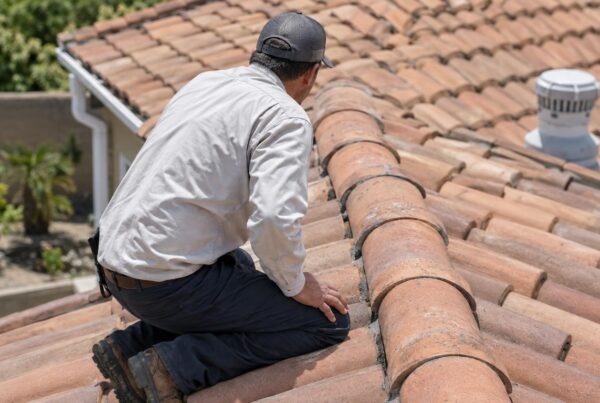
Both residential and commercial properties across the San Diego region benefit from roof sealing, though the approach varies by material. Tile roofs common throughout neighborhoods in Carlsbad and Chula Vista gain an additional protective layer that prevents water from seeping beneath individual tiles. Flat and low-slope roofs prevalent on commercial buildings in Escondido, El Cajon, and industrial areas of San Diego are particularly well-suited to elastomeric coatings that bridge gaps and resist ponding water. Even composition shingle roofs in La Mesa and Santee can be treated with compatible sealants that extend their service life and improve weather resistance. For metal roofing, learn when sealing a metal roof is enough and when repairs are necessary.
What Is the Difference Between Roof Sealing and Full Roof Replacement?
Roof sealing represents a targeted maintenance approach that preserves and enhances an existing roof system, while full replacement involves removing the old roof entirely and installing new materials. Sealing costs significantly less and causes minimal disruption, making it the preferred option when the underlying structure is sound but the surface needs renewed protection. A professional roof sealing project typically completes in days rather than the weeks required for a full replacement, and it diverts far less material from landfills. Industry professionals consistently note that addressing wear early through sealing can add years of service to a roof that might otherwise require premature replacement.
How Does El Niño Weather Increase Water Infiltration Risk for San Diego Roofs?
El Niño-driven storms deliver rainfall at intensities that far exceed what many San Diego roofs were designed to handle in typical years. The combination of wind-driven rain and extended precipitation duration creates conditions where water exploits every vulnerability in the roof system.
What Roof Problems Does Intense Rain Reveal?
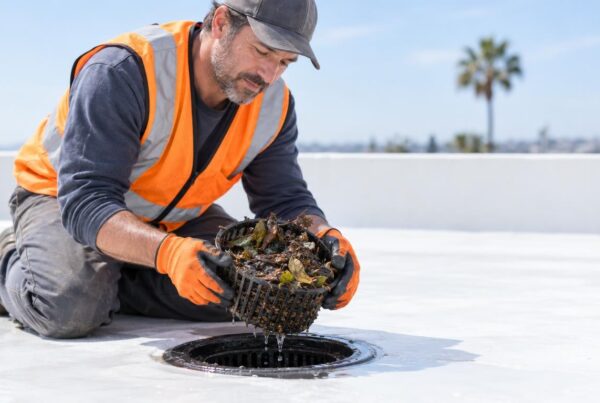
During periods of heavy, sustained rainfall, roof weaknesses that went unnoticed through years of mild weather become immediately apparent. Failed or degraded sealants around flashings, vent pipes, and skylights allow water to enter wall cavities and living spaces. Hairline cracks in built-up roofing membranes widen under hydrostatic pressure, turning minor surface flaws into active leaks. Even small gaps in tile or shingle overlap that would never admit water during a brief shower become channels for sustained water entry during an El Niño event. The prolonged nature of Super El Niño storms means that a leak that might self-seal during a brief dry spell instead continues feeding water into the building structure for days or weeks.
Why Do Small Roof Issues Become Emergencies During Heavy Storms?
What begins as a minor drip or damp ceiling spot can cascade into significant property damage when rainfall continues uninterrupted for days. Water follows the path of least resistance through insulation, drywall, and structural framing, spreading damage far beyond the original entry point. By the time a ceiling stain becomes visible indoors, the underlying structure may already be compromised. Quick intervention during an active storm is often impossible, leaving property owners with damage that accumulates throughout the weather event. Addressing vulnerabilities proactively means eliminating these emergency scenarios entirely, protecting both the structure and the contents within.
What Roof Sealing Solutions Work Best for San Diego’s Climate?
San Diego’s climate presents a dual challenge for roofing: intense UV exposure during dry months and prolonged moisture during wet seasons. The most effective roof sealing solutions address both stresses, creating a protective membrane that performs year-round.
How Does Elastomeric Roof Coating Protect Against Rain and UV Exposure?
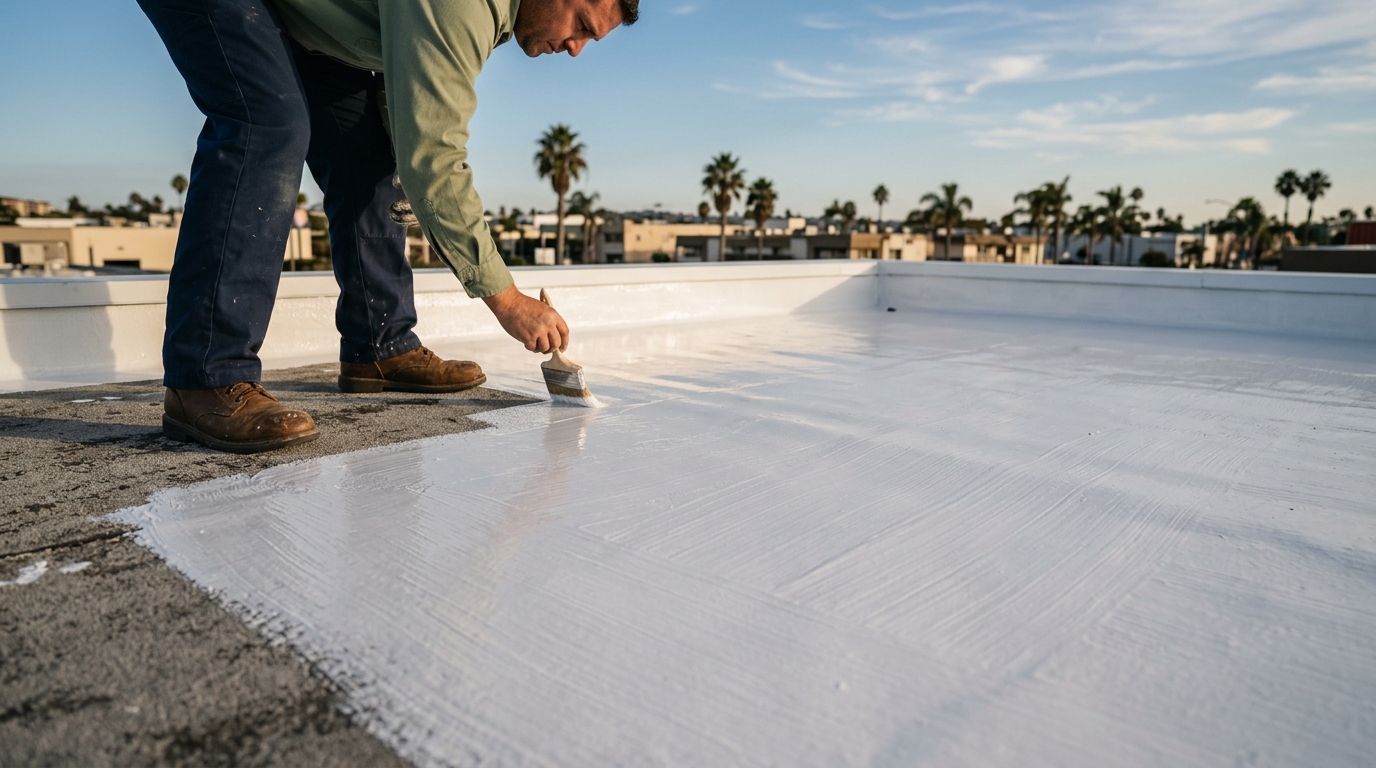
Elastomeric roof coatings are highly elastic formulations that stretch and contract with temperature changes without cracking or peeling. When applied to a properly prepared surface, these coatings cure into a seamless rubber-like membrane that bonds directly to the roof substrate. This continuous barrier resists water penetration even when the roof experiences thermal movement. Additionally, the reflective white or light-colored formulations common in the San Diego market deflect solar radiation, reducing heat transfer into the building and lowering cooling costs during the region’s long summers. The combination of waterproofing and UV reflection makes elastomeric coating particularly valuable for flat roof sealing applications across commercial properties throughout San Diego County.
What Is the Right Approach for Flat Roof Sealing in San Diego?
Flat and low-slope roofs require specialized attention because water does not run off as quickly as it does from sloped surfaces. Effective flat roof sealing begins with thorough surface preparation, including cleaning, repairs to any blisters or bubbles in the existing membrane, and priming as needed. Multiple coats of coating are applied to achieve adequate thickness, with each layer allowed to cure before the next is added. Flashing details at parapets, HVAC curbs, and penetration points receive extra attention, as these transition zones are most vulnerable to water entry. Properties with older built-up roofs, modified bitumen, or single-ply membranes throughout Escondido, El Cajon, and San Diego’s commercial districts benefit significantly from this comprehensive approach to flat roof sealing. For properties with rubber single-ply membranes, sealing a rubber roof starts with careful surface preparation and patching leaks before coating.
How Do You Know When Your Roof Needs Resealing Before Winter?
Recognizing when a roof needs attention before the rainy season arrives requires knowing what warning signs to look for and understanding when a professional assessment adds value beyond a visual inspection.
What Signs Indicate a Roof Needs Immediate Attention?
Visible indicators that roof sealing may be needed include cracked, chalky, or brittle sealant beads around flashing and penetration points. Ponds of water that remain on a flat roof more than 48 hours after rainfall indicate compromised drainage or surface degradation. On tile roofs, missing or displaced tiles create immediate vulnerabilities, while excessive granule loss from shingles signals surface degradation. Interior signs such as musty odors, unexplained increases in humidity, or new stains on ceilings warrant immediate investigation. A roof that has not been professionally inspected within the past two years should be evaluated before the winter season begins, particularly given the elevated storm risk this year.
Can a Professional Inspection Catch Hidden Vulnerabilities?
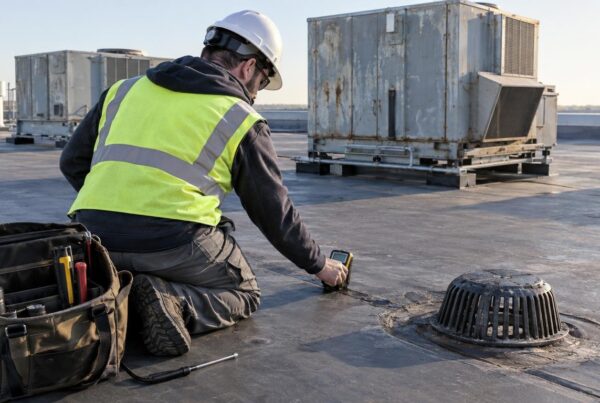
Experienced roofing professionals identify issues that untrained observers miss, including subtle surface degradation, early-stage blistering, and compromised adhesion at seams. A thorough inspection includes examination of the roof membrane or surface material, all flashing details, drainage systems, and penetrations. Professionals also assess substrate conditions through non-destructive methods, identifying trapped moisture or deterioration beneath the surface layer. For property owners across San Diego, Poway, Santee, and the surrounding communities, this investment in a professional evaluation provides peace of mind and a clear action plan before weather conditions make repairs difficult or impossible.
Why Should San Diego Property Owners Act on Roof Sealing Now?
The approaching Super El Niño season creates a window of opportunity that closes as winter arrives. San Diego homeowners and property managers who invest in roof sealing now position their properties for the intensified storm activity that forecasts predict. Proactive maintenance preserves property values, prevents emergency repair situations, and extends the functional life of roof systems that might otherwise require costly replacement. The mild fall weather currently experienced throughout the region provides ideal conditions for surface preparation and coating application, ensuring proper cure and maximum adhesion before the first major storms arrive. Scheduling roof sealing before November means your property will be protected when peak El Niño impacts arrive, rather than scrambling for repairs during active weather events.
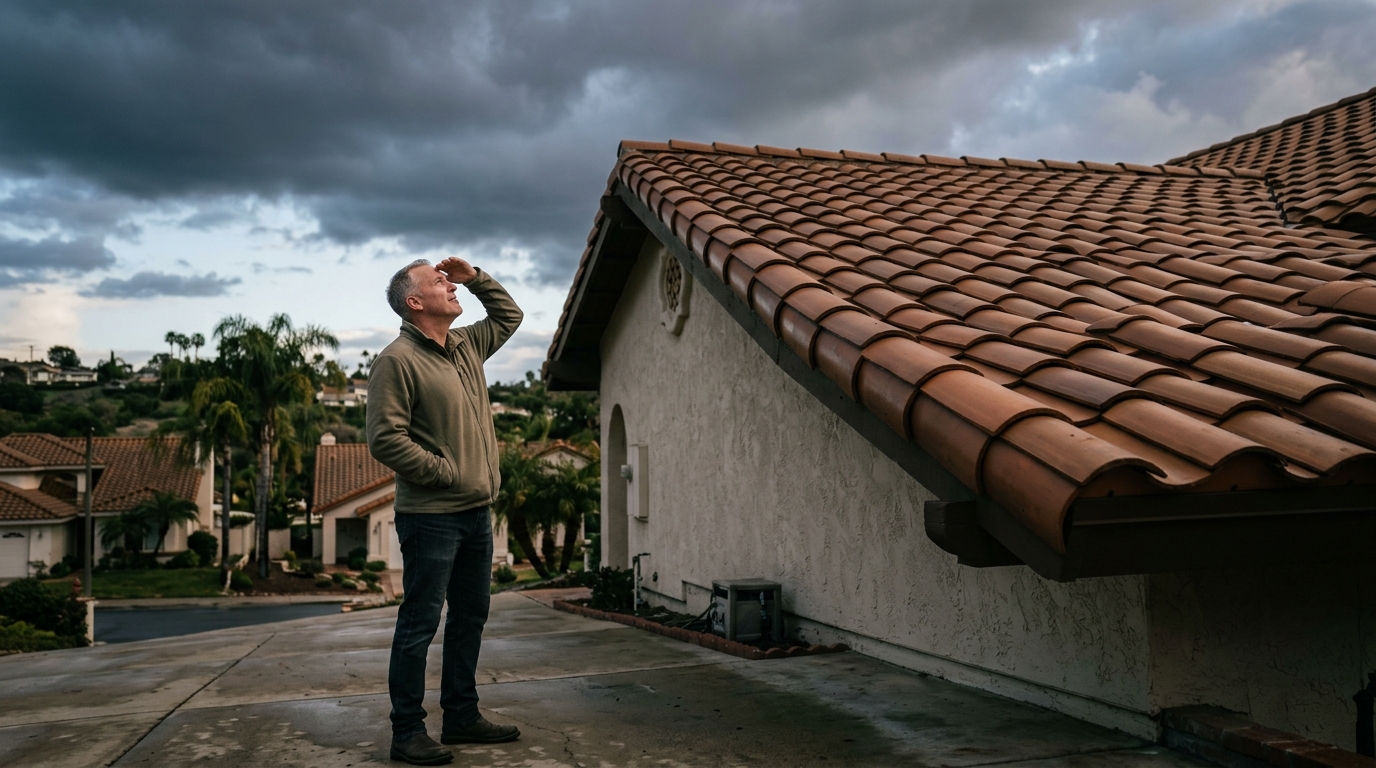
Taking action today means your roof will be ready for whatever the winter season delivers. Gastelum Roofing offers professional roof sealing consultations for residential and commercial properties throughout San Diego County, including Santee, Escondido, La Mesa, Carlsbad, Chula Vista, Poway, and El Cajon. Their experienced team conducts thorough inspections and delivers quality coating applications that protect your property through the storm season ahead. Contact Gastelum Roofing at 760-295-6593 to schedule your roof sealing consultation and ensure your property is prepared for the 2026-2027 winter season.
Frequently Asked Questions
What is roof sealing and how does it protect San Diego properties?
Roof sealing is the application of specialized protective coatings that create a seamless, waterproof barrier across the roof surface. This process addresses microscopic cracks, worn seams, and degraded flashing that become pathways for water intrusion during intense rainfall. Elastomeric coatings stretch and contract with temperature changes, resisting water penetration even during the wind-driven rain and extended precipitation that Super El Niño events bring to San Diego.
How could a Super El Niño affect San Diego’s winter weather?
NOAA has upgraded the probability of Super El Niño status to 63%, with peak impact expected from November 2026 through January 2027. Historical Super El Niño events bring extended wet seasons with consecutive days of heavy rainfall, strong winds, and rapid temperature changes. Properties across San Diego County should anticipate conditions that stress roof systems far beyond typical winter exposure, with rainfall intensity and duration exceeding what many roofs were designed to handle.
What is the difference between roof sealing and full roof replacement?
Roof sealing preserves and enhances an existing roof system, while full replacement involves removing the old roof entirely and installing new materials. Sealing costs significantly less and completes in days rather than the weeks required for replacement. It causes minimal disruption and diverts far less material from landfills. Sealing is the preferred option when the underlying structure is sound but the surface needs renewed protection, and addressing wear early can add years of service to a roof.
What are the signs that indicate a roof needs resealing before winter?
Signs indicating immediate attention includes cracked, chalky, or brittle sealant beads around flashing and penetration points. Ponds of water remaining on flat roofs more than 48 hours after rainfall signal compromised drainage. On tile roofs, missing or displaced tiles create vulnerabilities, while excessive granule loss from shingles indicates surface degradation. Interior signs such as musty odors, unexplained humidity increases, or new ceiling stains also warrant investigation.
How does elastomeric roof coating protect against rain and UV exposure?
Elastomeric roof coatings are highly elastic formulations that stretch and contract with temperature changes without cracking or peeling. When applied to a properly prepared surface, they cure into a seamless rubber-like membrane that bonds directly to the roof substrate. This continuous barrier resists water penetration during thermal movement. Light-colored formulations also deflect solar radiation, reducing heat transfer and lowering cooling costs during San Diego’s long summers.
Why should San Diego property owners act on roof sealing now before winter?
Acting before November ensures your property will be protected when peak El Niño impacts arrive, rather than scrambling for repairs during active weather events. The mild fall weather provides ideal conditions for surface preparation and coating application, ensuring proper cure and maximum adhesion. Proactive maintenance preserves property values, prevents emergency repair situations, and extends the functional life of roof systems that might otherwise require costly replacement.