
Last updated: October 1, 2026
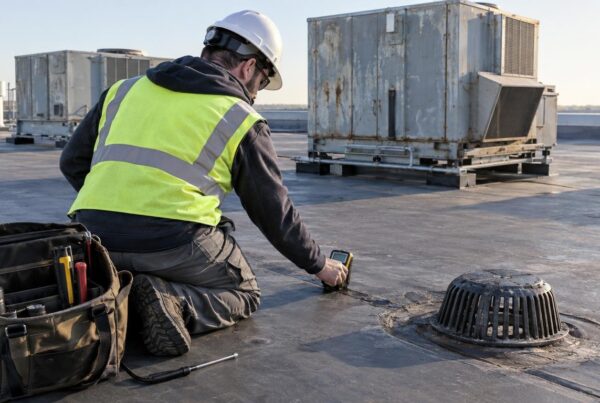
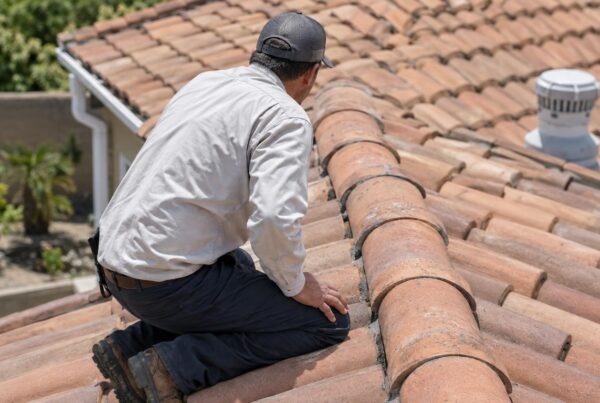
How long does roof replacement take? A straightforward residential asphalt-shingle roof often requires a short stretch of on-site work, while a larger or more complex roof can take longer. The full calendar schedule also includes crew availability, materials, applicable approvals, inspections, and weather. Gastelum Roofing can help you plan a roof replacement and re-covering project around those separate stages.
How long does roof replacement take from scheduling to completion?
A roof replacement timeline has two parts: the time a crew works on the roof and the longer period from scheduling through final sign-off.
Ask for both an estimated start date and an estimated on-site work period. Then ask what must happen before work begins and what, if anything, must happen after the crew finishes. Treat each date as an estimate rather than a promise, especially if you are arranging time away from home or coordinating work at an occupied commercial property.
How many days does a typical residential roof take on-site?
A typical residential shingle roof may be completed over a brief on-site period when access is clear and the roof deck needs no additional work. A full roof replacement involving a larger area, tile or metal roofing, or detailed roof features can take longer. Gastelum Roofing can give you a more useful estimate after assessing the roof rather than relying on a duration that may not fit your property. For metal roofing projects, review the steps of standing seam metal roof installation to understand the on-site work involved.
What happens during each stage of a roof replacement?
Roof replacement begins with an assessment and material plan, followed by site preparation, removal of the existing roof where applicable, deck review, new roof installation, cleanup, and a final walkthrough. The roof’s condition becomes clearer once existing materials are removed. For a closer look at EPDM roof installation, see how the replacement process unfolds for that roofing system.
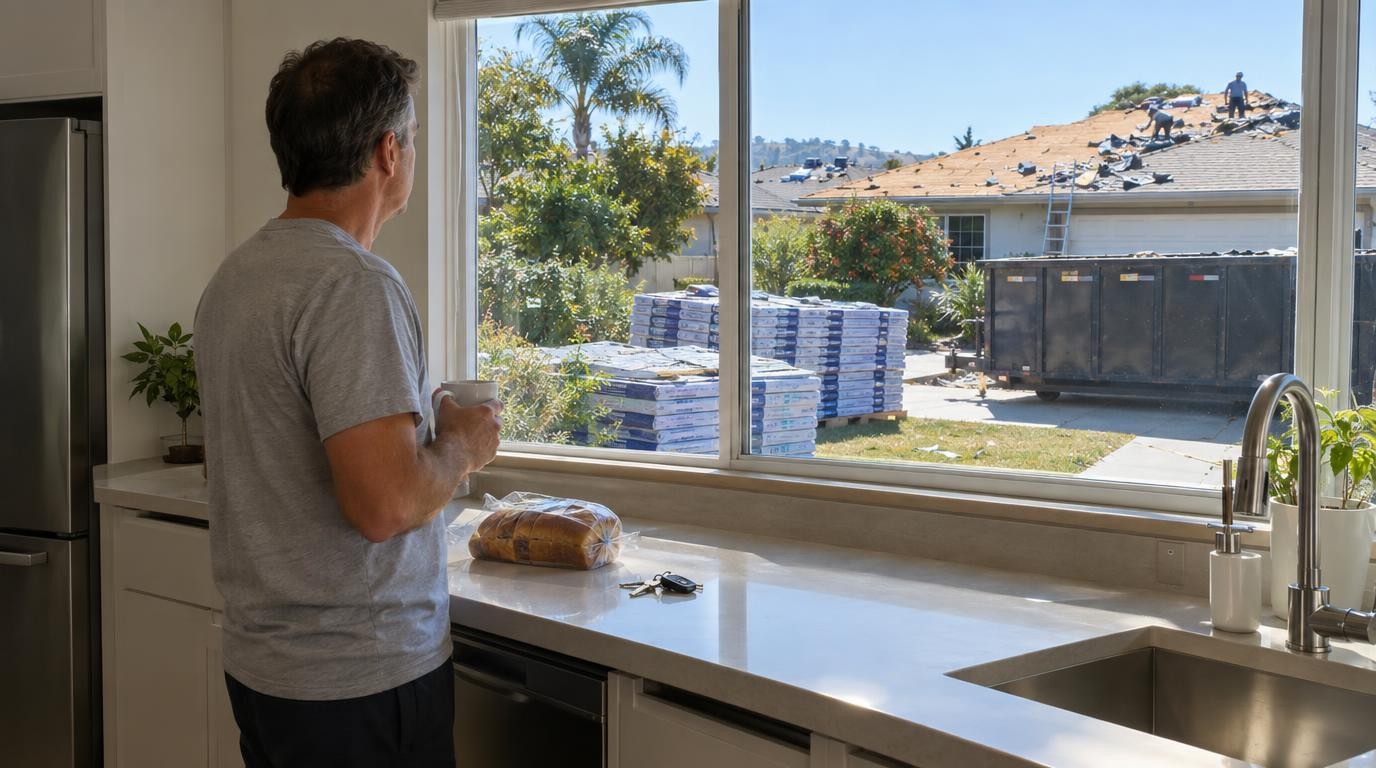
A written scope helps everyone understand which surfaces and details are included. Ask for one that names the surfaces, materials, and details the job covers. Your home or commercial building will need its own assessment and plan.
What needs to happen before the old roof comes off?
Before a roof tear off and replacement, the contractor should confirm the selected material, delivery arrangements, access for the crew, and how nearby areas will be protected. The on-site sequence typically follows:
- Prepare the work area and stage materials.
- Remove existing roofing where the approved scope calls for tear-off.
- Review the exposed deck and discuss any work needed before covering it.
- Install the new roofing system and finish roof details.
- Clear debris and walk through the completed work.
For more detail on material choices, see our shingle roof replacement guide.
Which roof features can make replacement take longer?
Roof area, access, slope, design details, material requirements, and the condition found during tear-off all affect crew time. A compact, accessible shingle roof is generally simpler to schedule than a roof with numerous transitions or a large commercial surface. The most reliable estimate reflects the specific building and roofing system.
Crews need time to move materials safely, remove existing layers where required, and complete details around edges and roof penetrations. Steeper sections and limited access can slow those tasks. If the exposed deck needs attention, the installation plan may change before new roofing continues.
Does roof size or a complex shape change the number of workdays?
Yes. More roof area means more material to handle, while valleys, changes in slope, skylights, and other transitions add detail work. Residential roof replacement may involve those features across a relatively small surface. A commercial roof may look simpler from above but still require planning around rooftop equipment, drainage, building access, and ongoing operations.
Material matters as well: shingle, tile, metal, and flat roofing systems for San Diego properties have different installation steps. Ask which roof features are included in the proposed work period and which findings could prompt an updated schedule.
Do permits and inspections affect re-roofing timelines in San Diego?
Permits and inspections can affect a San Diego re-roofing timeline, but requirements depend on the property, project scope, and building authority with jurisdiction. Approval lead time and inspection scheduling are separate from installation days. Confirm the applicable plan before treating an estimated crew finish date as the project’s final completion date.
A contractor can explain what the proposed roof work involves and how required approvals fit into the schedule. Your local building authority can confirm the rules for the property. This matters for homeowners and commercial property managers alike, particularly when a project includes changes beyond replacing an existing roof covering. Learn what to ask roof replacement contractors about Title 24 requirements when choosing a team for your project.
How can homeowners find out which approvals apply to their project?
Give the contractor an accurate description of the property and the planned work, then ask who will check permit requirements, arrange any required inspections, and communicate appointment dates. If you manage a commercial building or a property with additional approval procedures, raise those requirements early.
Keep approval milestones visible in the project schedule rather than assuming they will occur during crew work. That distinction makes it easier to plan access, deliveries, and a final walkthrough without depending on an unconfirmed turnaround.
How can San Diego weather change the roof replacement schedule?
Rain, wind, and unsuitable temperature conditions can change when a roof can be opened or new materials can be installed. San Diego weather does not remove the need for a contingency. A practical schedule leaves room for conditions to shift and provides an updated plan when safe, suitable work must pause.
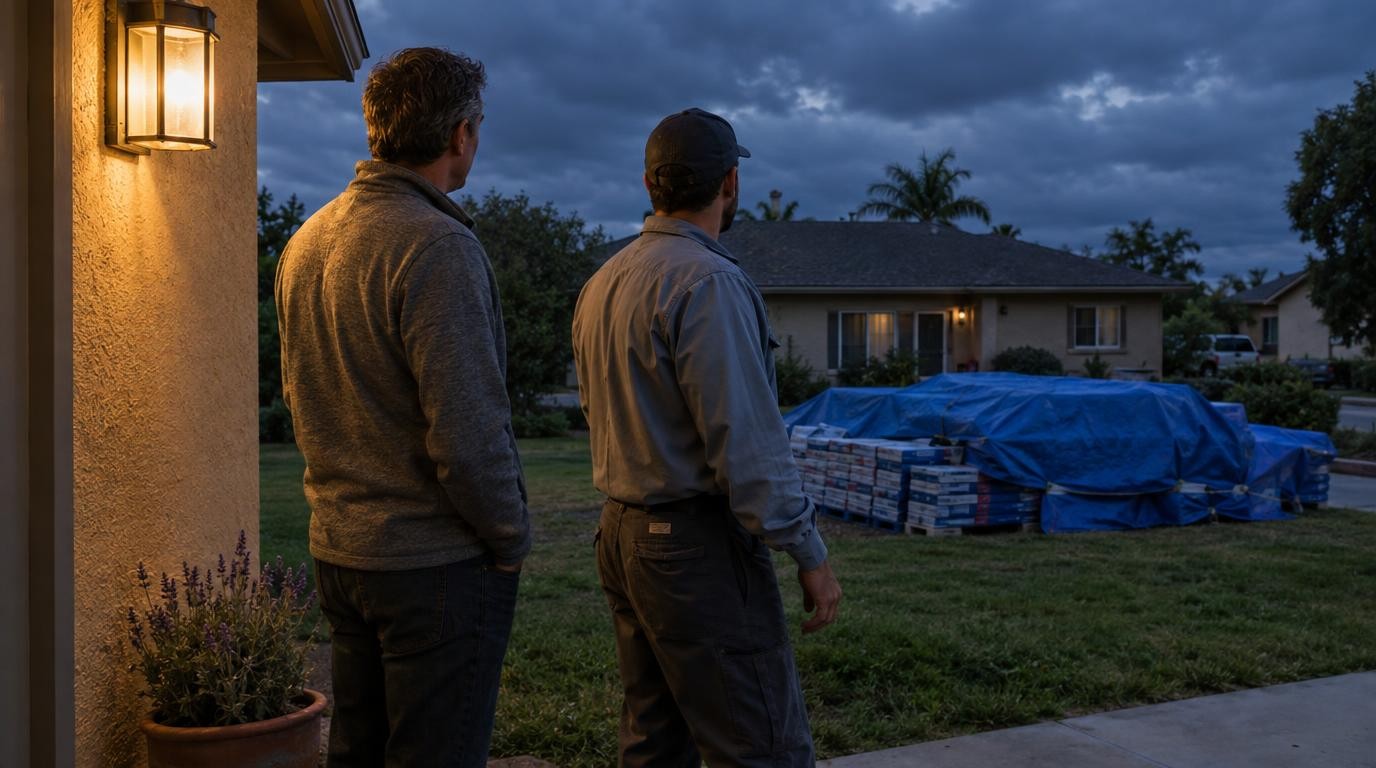
Roofing work depends on both conditions underfoot and the installation requirements of the chosen material. In our experience planning roofing projects, a useful weather conversation covers when tear-off can begin, how materials will be protected, and who will notify the property owner if the work sequence changes.
Which weather conditions can pause tear-off or installation?
Rain can interrupt work on an exposed roof. Strong wind can affect material handling, and temperature conditions can affect how certain roofing materials are installed. The relevant limits depend on the roof system and the work being performed, so ask Gastelum Roofing how the forecast will be assessed for your project.
Keep some flexibility after the estimated completion date before planning a vacation departure or another activity that depends on the roof being finished. If conditions change, request a revised work schedule and confirm whether any inspection or walkthrough appointment also needs to move.
How should you plan your roof replacement timeline?
Plan around the full project calendar, not only the days a crew is on the roof. Confirm the proposed scope, material and access arrangements, approval responsibilities, inspection plan, and weather contingency. A property-specific estimate gives you a clearer basis for coordinating life at home or operations at work.
If you are planning a roof replacement in San Diego, contact Gastelum Roofing at 760-295-6593 for a consultation. Our team can assess your roof, explain the expected stages, and help you understand where to leave room in the schedule.
Frequently Asked Questions
How much time should I allow beyond the roofers’ on-site work?
Allow for scheduling, material delivery, any required approvals and inspections, and possible weather changes in addition to installation. A straightforward residential shingle roof may take only a brief stretch of workdays on-site, but that is not the full project timeline. Ask for separate estimates for the start date, crew work, and final sign-off.
What should be confirmed before roof replacement begins?
Confirm the roofing material, delivery plan, crew access, and protection for areas near the work zone before tear-off starts. Ask your contractor to identify any permit or inspection responsibilities and provide a written scope showing which roof surfaces and details are included. These steps make the proposed schedule easier to plan around.
What happens if the roof deck needs work after the old roofing is removed?
The contractor should review the exposed deck and discuss any needed work before installing new roofing over it. Because the deck’s condition becomes clearer after tear-off, additional work can change the installation plan and estimated crew time. Ask which findings would require a schedule update and when you would receive one.
Is roof replacement complete when the installation crew leaves?
Not necessarily. The crew may finish installation and cleanup before any required inspection or final sign-off takes place. Approval requirements depend on the property, project scope, and local building authority. Ask which milestones follow installation and whether a final walkthrough is planned before treating the crew’s finish date as project completion.
If weather delays my roof replacement, do inspection dates change too?
They may need to change if rain, strong wind, or unsuitable temperatures shift the installation schedule. Ask your contractor for a revised work plan and confirm whether any inspection or walkthrough appointment must move. Keeping flexibility after the estimated finish date helps when later plans depend on the roof being complete.