
Last updated: October 1, 2026
Roof replacement contractors assess the existing roof, recommend a suitable scope, and manage the work needed to install a new roof. For Chula Vista homeowners comparing contractors, the useful questions are whether replacement is necessary, what the written scope includes, and how the proposed materials meet the requirements for the property. Gastelum Roofing offers re-roofing and re-covering services for property owners considering their next steps.
What Do Roof Replacement Contractors Do?
Roof replacement contractors evaluate the roof, explain whether repair or replacement fits its condition, and coordinate the approved work. A full roof replacement generally involves removing existing roofing and installing a new system. Contractors should also identify permit and code questions before work begins, so the proposed scope matches the property.
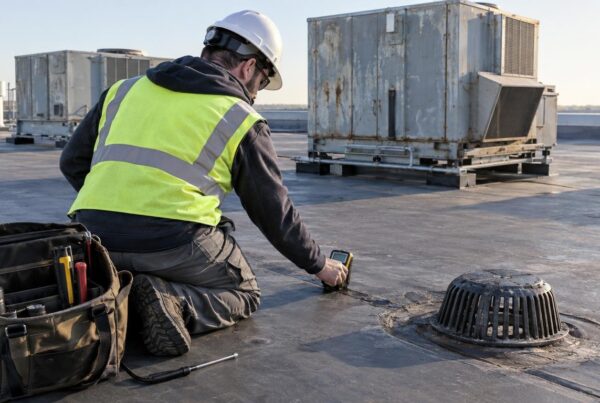
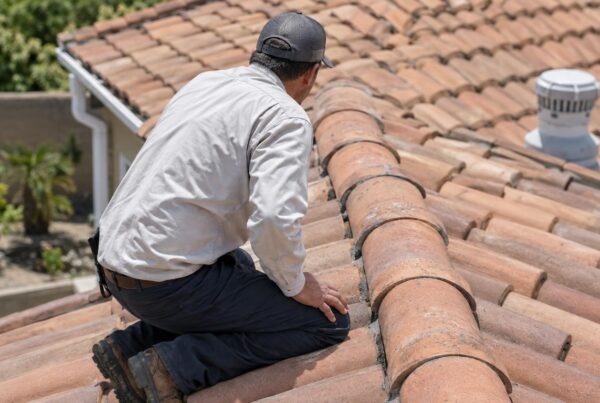
An assessment looks beyond the visible surface. The contractor may examine worn materials, flashing, drainage, attic conditions, and signs that the underlying deck needs attention. That information helps distinguish a localized repair from a roof tear off and replacement. Ask for the recommendation in writing, including what observations support it and which conditions can only be confirmed after removal.
How Do You Know Whether a Roof Needs Replacing?
Age alone does not settle the question. A roof with an isolated problem may be a candidate for repair, while widespread wear or recurring concerns may make replacement the more practical scope. An inspection of the roof and its vulnerable areas gives you a clearer basis for discussing options. Ask the contractor to explain the expected scope of each option rather than assuming every aging roof needs a new surface.
How Can You Vet a Roof Replacement Contractor?
Vet roof replacement contractors by verifying credentials directly and comparing written scopes, not just general descriptions of the finished roof. Ask how each contractor handles materials, hidden deck conditions, ventilation, permits, cleanup, and warranties. Relevant experience matters: a residential roof replacement and a commercial low-slope project can call for different methods and documentation.
A useful proposal identifies the roofing system and major components, including underlayment and flashing. It should explain how the contractor will document deck work discovered during tear-off and whether ventilation changes are included. Ask who will obtain any required permit, coordinate inspections, protect the property, and conduct the final walkthrough. Written answers make proposals easier to compare on the work each contractor actually intends to perform.
Which License and Insurance Details Should You Verify?
Ask for the contractor’s California license information and verify its current status through the state’s licensing resources. Request insurance details and confirm coverage directly with the listed insurer or agent. Then ask for examples of comparable work on your roof type, whether that means a home with pitched roofing or a commercial building with a low-slope system. A clear explanation of subcontractor responsibilities and warranty terms also helps establish who is accountable for each part of the project.
How Does Title 24 Affect Your Roof Material Choices?
Title 24 can affect roof material selection, but the applicable energy-code provisions depend on the project and building. California’s 2025 Building Energy Efficiency Standards, effective January 1, 2026, address roofing in covered construction and alterations. A contractor should check the property’s climate zone, building type, roof slope, and planned scope before identifying compliant products.
For a project subject to cool roof requirements, product documentation helps connect a material choice to the code path. Cool Roof Rating Council (CRRC) labels report solar reflectance, which describes how much sunlight a surface reflects, and thermal emittance, which describes how readily it releases absorbed heat. Applicable provisions may also allow a Solar Reflectance Index (SRI) compliance path. Ask your contractor which ratings and documentation apply to the specific product proposed for your roof.
Do Cool Roof Rules Apply to Every Residential Re-Roof?
No. A residential re-roof does not automatically have the same cool roof requirements as every other roof project. Requirements and available compliance paths vary with factors such as project scope, roof slope, climate zone, and building type. Before approving a material, ask the contractor to confirm the current rules for your address and explain how the proposed roof will meet them.
Which Roofing Materials Fit Your Property and Roof Design?
The right replacement material depends on roof slope, existing structure, drainage, appearance goals, and applicable code documentation. Shingles and tile are common considerations for pitched homes, while low-slope roofs typically need systems designed to manage water on a shallower surface. Product selection should follow an assessment of the building rather than a preference for a material alone.
For a pitched roof, ask how the proposed material works with the existing framing, underlayment, flashing, and ventilation. Tile requires particular attention to the structure that will support it. A shingle roof replacement guide can help you prepare questions about the components beneath the visible shingles. On a commercial property, ask how equipment, penetrations, and drainage affect system selection.
How Do Shingles, Tile, and Low-Slope Systems Differ?
Shingles form a layered covering suited to appropriate pitched roofs. Tile creates a different roof assembly and calls for a review of structural suitability and installation details. Low-slope systems use materials and seams suited to roofs where water moves more slowly; the guide to flat roofing for San Diego properties explains common design considerations. For any category, ask for the product’s applicable energy-code ratings and how the complete assembly fits your building.
What Happens During Roof Tear-Off and New Roof Installation?
Roof tear-off and new roof installation generally move from property protection and removal to deck review, installation, cleanup, and final review. The sequence gives the crew an opportunity to assess surfaces hidden by the old roofing before covering them. The exact work and any required inspections depend on the property, approved scope, and local permitting requirements. For a closer look at standing seam metal roof installation, review the steps involved in building a durable system.
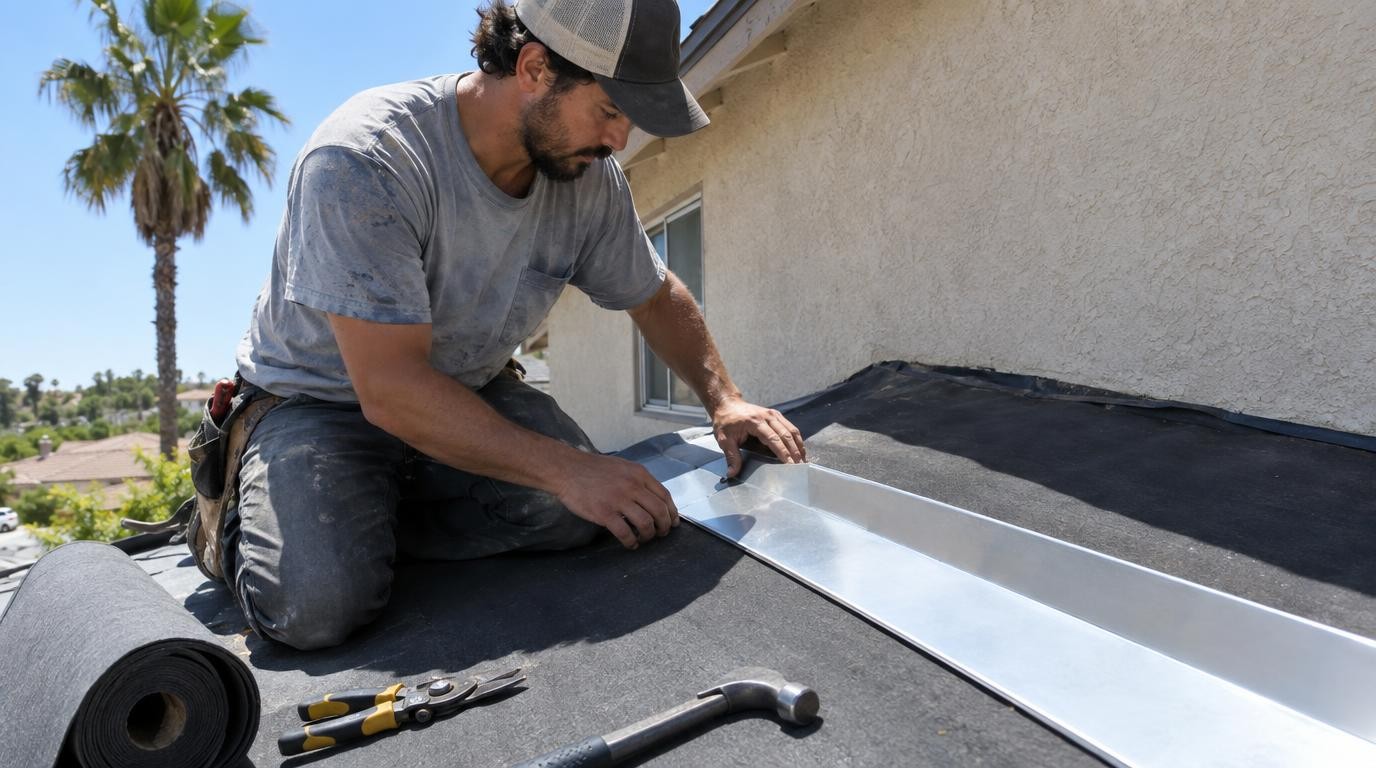
Before work starts, ask how the crew will protect landscaping, access areas, and nearby features. Removal then exposes the deck so the contractor can check its condition and discuss any work outside the agreed scope. Installation typically proceeds through the specified underlayment, flashing, roofing material, and finishing details. Cleanup and a walkthrough provide an opportunity to confirm that the completed work matches the written plan. For a low-slope replacement, learn what EPDM roof installation involves, from deck preparation through seams and finishing details.
What Does the Crew Check After Removing the Old Roof?
The crew checks whether the deck provides a suitable surface for the new system and looks at areas around edges, penetrations, and flashing. For low-slope roofs, drainage details also deserve close review. Ask how the contractor will record findings, explain proposed changes, and coordinate any required inspection before installation continues. In roofing practice, that conversation is especially useful because some deck conditions cannot be seen during the initial estimate.
How Can You Move Forward With Confidence?
Start with a roof assessment, then request a written scope that explains the recommended work, materials, and applicable code documentation. The best next step for a Chula Vista property is a conversation about its particular roof, not an assumption that every project needs the same solution. Contact Gastelum Roofing in San Diego to discuss your replacement options.
Frequently Asked Questions
How long does a roof replacement take?
There is no single timeframe for a roof replacement. The schedule depends on the approved scope, property conditions, permit requirements, and any inspections. Ask the contractor when property protection, tear-off, deck review, installation, cleanup, and the final walkthrough are expected to occur for your specific roof.
What should I expect when my new roof is finished?
You should expect a completed roof that matches the agreed written scope, followed by cleanup and a final walkthrough. Review the specified roofing material, underlayment, flashing, and finishing details with your contractor. Ask for any applicable product ratings and code documentation so you can confirm what was installed.
What should I get in writing before approving a roof replacement?
Request a proposal that identifies the roofing system, underlayment, flashing, and any planned ventilation work. It should also state who handles permits, inspections, property protection, cleanup, and the final walkthrough. Ask how the contractor will document deck findings after tear-off and explain any work beyond the initial scope.
How are deck findings handled during roof replacement?
The crew reviews the exposed deck after removing the old roofing and before installing the new system. Ask the contractor to record what they find, explain any proposed changes to the agreed scope, and coordinate required inspections. Some deck conditions can only be confirmed once the existing roof is removed.
How can I check whether a proposed roof material meets Title 24 requirements?
Ask the contractor to identify the applicable energy-code provisions for your address, building type, roof slope, and project scope. If cool roof rules apply, request documentation for the proposed product, such as Cool Roof Rating Council ratings for solar reflectance and thermal emittance or an applicable Solar Reflectance Index compliance path.
Can the same roofing material work on a pitched home and a low-slope building?
Not necessarily. Material selection depends on roof slope, drainage, structure, and the complete roofing assembly. Shingles and tile are considerations for suitable pitched roofs, with tile requiring a review of structural support. Low-slope buildings generally need systems and seam details suited to slower-moving water, along with attention to penetrations and drainage.
Can a roof inspection help me decide between repair and replacement?
Yes. An inspection gives the contractor a basis to explain whether a localized repair or a broader replacement fits the roof’s condition. Ask for the recommendation in writing, including observations about materials, flashing, drainage, and attic conditions. Roof age alone does not establish that replacement is necessary.