Last updated: October 4, 2026
TPO vs PVC roofing comes down to the roof’s use, exposure, drainage and installation details. Both are heat-welded, single-ply membranes for flat and low-slope roofs; TPO is thermoplastic polyolefin, while PVC is polyvinyl chloride. Neither is the better choice for every San Diego property.
What is the difference between TPO and PVC roofing?
TPO and PVC have different formulations, so repair materials and product-specific compatibility requirements are not interchangeable. Both offer reflective product options, and both depend on sound flashing and drainage for reliable performance.
A building-science guide from roofing manufacturer GAF identifies both TPO and PVC as single-ply membranes used on flat roofs. For owners considering TPO, Gastelum Roofing offers TPO roofing for flat and low-slope properties in San Diego.
The practical differences are easier to see side by side:
| Consideration | TPO roofing | PVC roofing |
|---|---|---|
| Material | Thermoplastic polyolefin | Polyvinyl chloride |
| Seams | Heat-welded | Heat-welded |
| Reflective options | Available; check the selected product’s ratings | Available; check the selected product’s ratings |
| Rooftop exposure | Assess traffic, equipment and drainage | Consider product compatibility where grease or chemicals are present |
| Installation | Match the attachment method and detailing to the roof | Match the product and detailing to the roof |
Can TPO and PVC roofing both help keep a San Diego building cooler?
Reflective TPO and PVC membranes can help reduce solar heat absorption, but neither material guarantees a cooler interior or a particular energy saving. Performance depends on the selected membrane’s solar reflectance and thermal emittance, as well as insulation and building conditions. Compare product ratings rather than relying on a material name.
Solar reflectance describes how much sunlight a roof sends away; thermal emittance describes how effectively its surface releases heat. U.S. Environmental Protection Agency guidance on cool roof systems provides context for evaluating reflective roofing. On a San Diego roof exposed to direct sun, those properties can matter, but shade, rooftop equipment, insulation and interior cooling needs also affect the result.
Does a white membrane automatically qualify as a cool roof?
No. A white membrane roof may be reflective, but color alone does not establish the selected product’s rated performance or whether an applicable project requirement is met. Ask for the manufacturer’s reflectance and emittance information for the exact membrane being proposed, then confirm which requirements apply to the building.
Which roof conditions favor TPO or PVC?
TPO can suit a low-slope roof where a reflective, heat-welded membrane and a properly detailed assembly meet the building’s needs. PVC may deserve closer consideration where grease or chemical exposure is a concern, subject to manufacturer guidance. Sun, foot traffic, equipment, drainage and existing roof conditions matter more than a broad material preference.
Is TPO suitable for residential additions and commercial roofs?
Yes. Our TPO work includes low-slope home additions, patio covers and commercial buildings. A relatively open roof may call for different access and protection details than a commercial roof with frequently serviced equipment. In either setting, an inspection helps establish where people will walk, how water reaches drains and which penetrations need flashing. Our guide to flat roofing in San Diego explains why the roof’s layout matters when comparing systems.
When might a building owner consider PVC instead?
PVC is worth comparing when a roof may encounter grease or particular chemicals, such as around some exhaust equipment. Exposure tolerance varies by product and substance, so obtain the selected manufacturer’s compatibility guidance rather than assuming every PVC membrane is suitable.
How do TPO and PVC installation details affect leak protection?
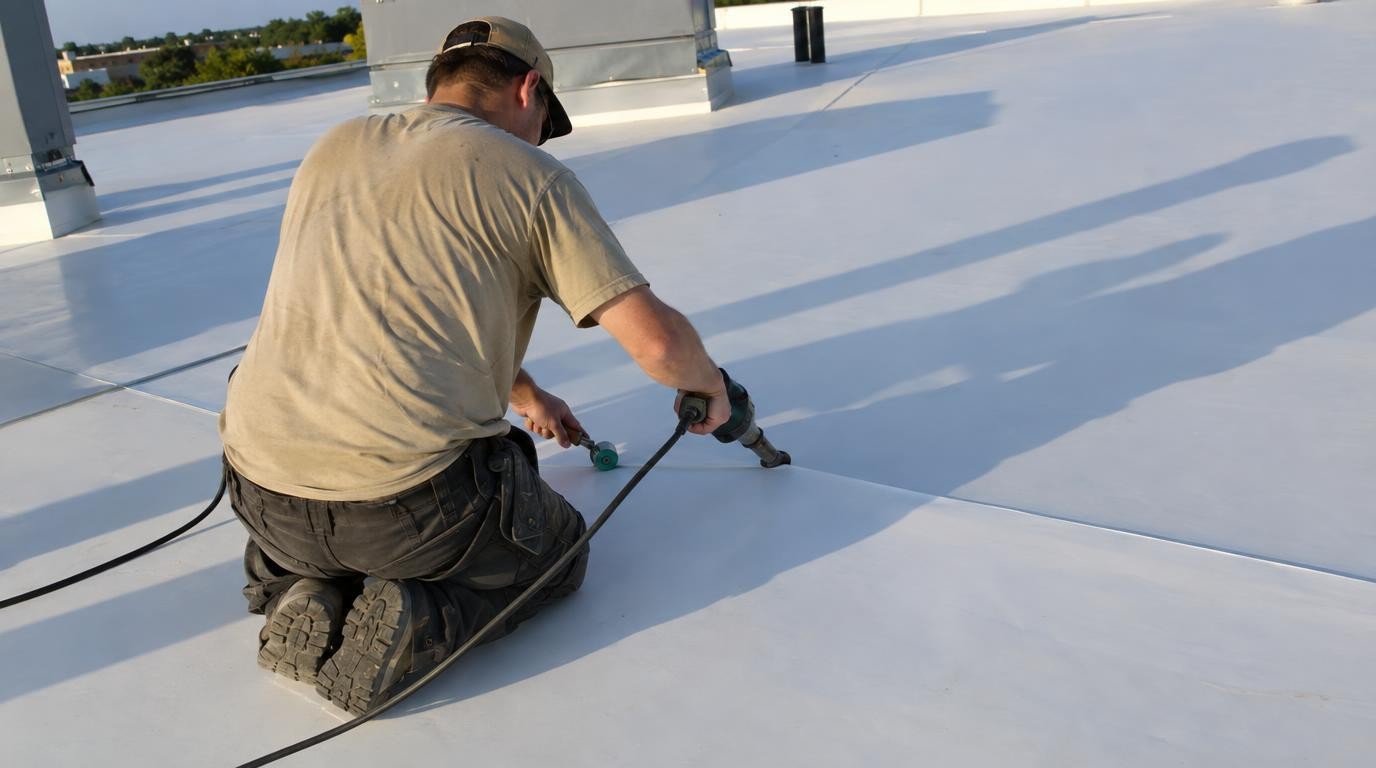
Both TPO and PVC rely on correctly executed heat-welded seams, but seams are only part of leak protection. Drains, penetrations, edges and transitions also need carefully planned flashing. Attachment method, insulation and substrate condition must suit the roof, because a sound membrane cannot compensate for neglected details beneath or around it.
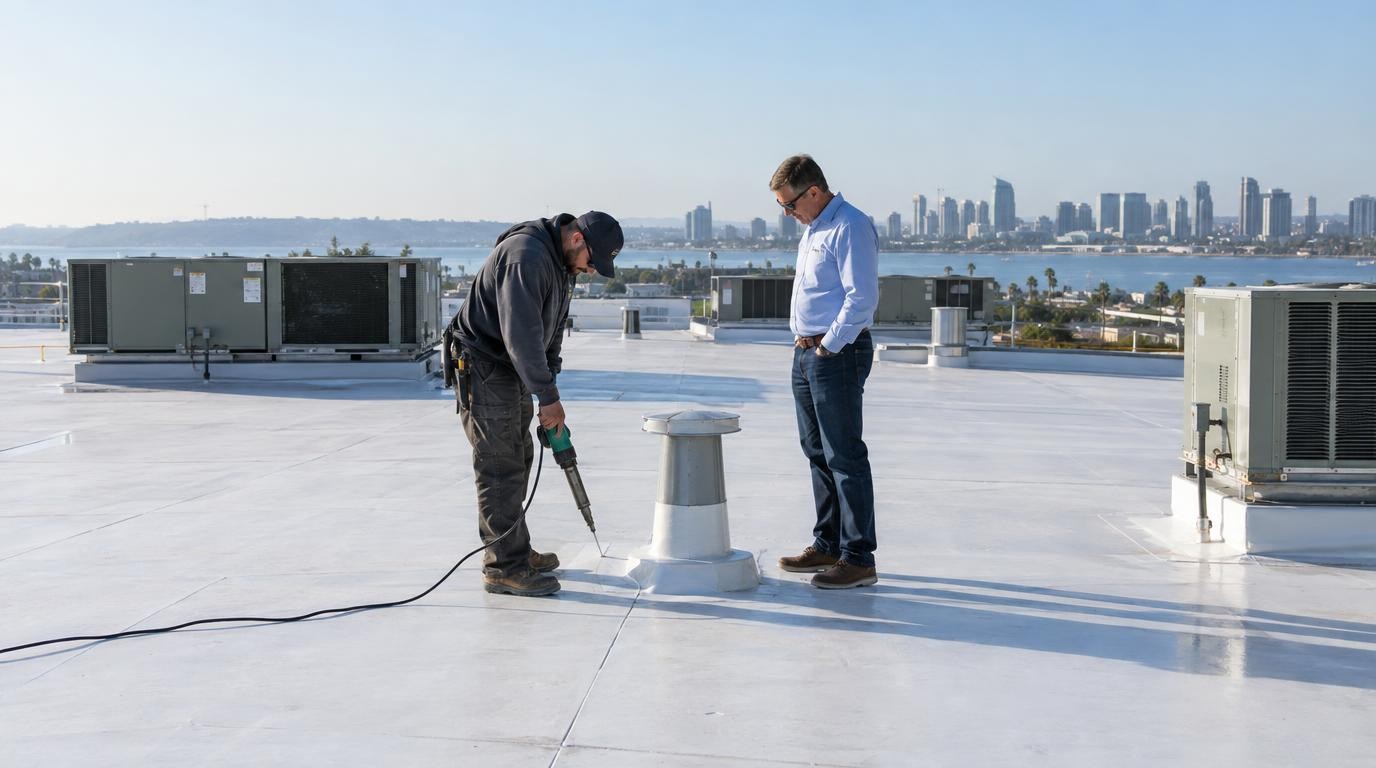
For a TPO roof, our installation process follows a practical sequence:
- Inspect the roof and prepare the deck so the assembly starts on an appropriate substrate.
- Plan insulation and any recovery board needed for the roof design.
- Select a manufacturer-approved mechanically fastened, fully adhered or induction-welded assembly suited to the roof.
- Install the membrane, heat-weld seams and complete flashing at drains, penetrations, edges and transitions.
- Inspect the finished seams, flashing and drains.
On a low-slope roof, water can collect near blocked drains or low spots, while penetrations require watertight flashing. For a closer look at the sequence, see our TPO roof installation process guide.
What are the downsides of TPO and PVC roofing?
Neither TPO nor PVC is leakproof or identical across manufacturers. TPO can be punctured or develop seam and flashing problems, especially when traffic, poor installation or drainage issues affect the roof. PVC requires careful detailing around roof features and product-specific compatibility checks. Both need inspections and maintenance suited to their exposure.
What are the downsides of TPO roofing?
Foot traffic and work around rooftop equipment can damage a TPO membrane. Poorly welded seams or failing flashing can admit water, while drainage problems can worsen wear around areas where water collects. A roof inspection should identify the cause of a defect rather than treating every visible opening as an isolated problem.
What are the downsides of PVC roofing?
A PVC roof can leak if seams or flashing fail, and complex penetrations need careful detailing. Owners should also verify that the proposed membrane and accessories are compatible with expected rooftop exposures; the PVC label alone is not a substitute for manufacturer guidance.
How to tell if a roof is TPO or PVC?
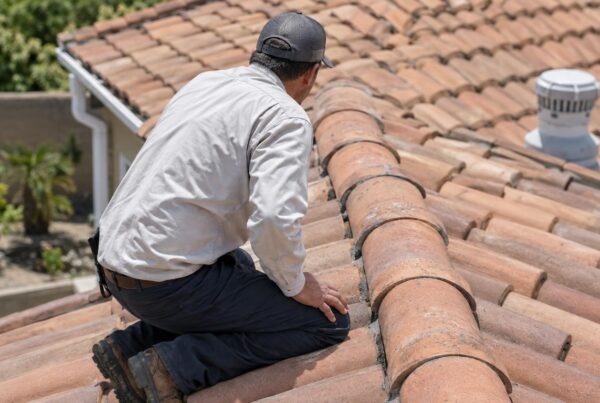
Start with installation records, product labels and warranty documents to identify a TPO or PVC roof. If those records are missing or unclear, have a qualified roofer verify the membrane. A white surface and heat-welded seams are common to both materials, so appearance alone is not a reliable identification method.
Do not cut into the roof to identify the membrane; an unnecessary opening can create a leak. Correct identification also helps a roofer choose compatible repair materials.
When should you repair or replace a TPO roof?
Localized punctures, seam separation and flashing defects may be repairable when the surrounding roof remains sound. Recurring leaks, saturated insulation, widespread membrane wear or failing seams call for a replacement evaluation. A recover system may be an option only after the existing roof, moisture conditions and local code requirements have been assessed.
At Gastelum Roofing, we assess drainage, insulation and the substrate before recommending repair, replacement or a recover system. Our TPO roofing repair and inspection guide explains the kinds of defects an inspection should check.
With proper installation and maintenance, many TPO roofing systems can last 20–30 years or longer. Lifespan depends on membrane thickness, installation quality and drainage performance, so we inspect the roof’s present condition rather than deciding what work it needs based on age alone.
What should you ask during a San Diego roof inspection?
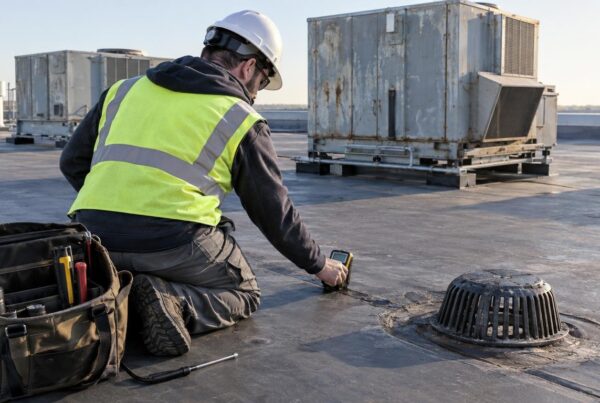
Ask the roofer to identify the existing membrane, check for moisture and ponding, and explain how seams, penetrations and drains will be detailed. Request the proposed membrane’s manufacturer-rated reflective properties and a clear explanation of whether repair, recover or replacement suits the roof. Those answers make a TPO recommendation specific to your property.
- Which membrane is installed now, and how was it identified?
- Is there evidence of trapped moisture, saturated insulation or ponding?
- Which seams, penetrations, drains and edges need attention?
- What reflectance and emittance ratings apply to the exact proposed product?
- Do the roof conditions support repair or recover, or is replacement the better approach?
Frequently Asked Questions
Can you weld a PVC patch onto a TPO roof?
No – a PVC patch should not be treated as a standard heat-welded repair for TPO. The membranes are different materials, and a reliable connection requires a compatible, manufacturer-approved detail. At Gastelum Roofing, we identify the existing membrane before recommending a repair so the patch and repair method suit the roof.
Can you walk on a TPO or PVC roof?
Yes, but limit foot traffic and use the roof’s designated access routes when available. Tools, sharp debris and repeated trips to rooftop equipment can damage a membrane. If equipment needs frequent servicing, ask a roofer whether manufacturer-approved walkway protection belongs in the roof plan. Do not assume the membrane alone is a walking surface.
Can solar panels be installed on a TPO or PVC flat roof?
Yes – solar panels can be installed on flat roofs with TPO or PVC membranes when the mounting design suits the roof. The solar-ready roof design report also discusses these membranes and ballasted solar mounting. Have the installer and roofer coordinate structural capacity, drainage, flashing and roof-warranty requirements before work begins.
What should I check in a TPO or PVC roof warranty?
Check who provides the membrane warranty and the workmanship warranty, what each covers, how long coverage lasts and what can void it. Ask specifically about seams, flashing, ponding, maintenance and later equipment installations. Get the proposed terms in writing before choosing a roof; coverage depends on the product and installed assembly.
Will a new TPO or PVC membrane fix ponding water?
No – replacing the membrane alone will not fix a low spot, inadequate slope or a blocked drain. A roofer needs to assess where water collects and plan any drainage or substrate corrections as part of the roof assembly. At Gastelum Roofing, we inspect drainage before recommending a TPO repair, recover or replacement.
How should I maintain a TPO or PVC roof between inspections?
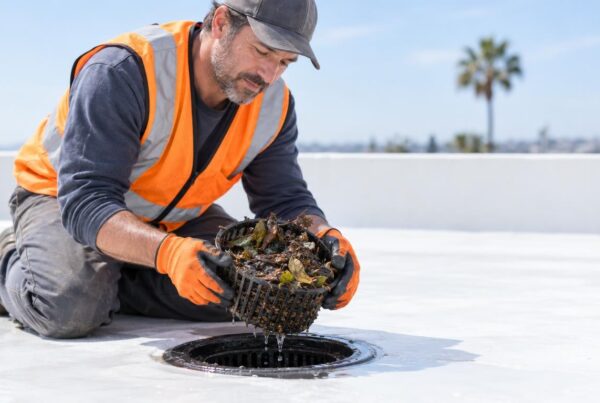
Keep drains clear and watch for debris, punctures, loose flashing and damage after rooftop equipment work. Avoid cutting into the membrane or using an unapproved cleaner or repair product. If you notice standing water or an interior leak, arrange an inspection. At Gastelum Roofing, we assess seams, flashing and drainage before recommending TPO repairs.
Does a TPO or PVC flat roof need insulation underneath?
The insulation plan depends on the building, existing roof assembly and applicable requirements – the membrane alone does not determine it. Insulation and any recovery board must work with the chosen attachment method and substrate. At Gastelum Roofing, we assess the deck and insulation needs before selecting a manufacturer-approved TPO assembly for the roof.
How can you decide what fits your flat roof best?
Choose between TPO and PVC by matching the membrane to the roof’s exposure, drainage, equipment and detailing needs, not by assuming either material always performs better. Reflective ratings and installation quality deserve the same attention as material choice. An inspection can show whether the existing roof needs a repair or a broader change. For another material comparison, see how TPO vs EPDM roofing differs in sun exposure, seams and upkeep.
If you are comparing options for a San Diego property, contact Gastelum Roofing for an inspection and an honest TPO recommendation. Call Gastelum Roofing at 760-295-6593 to discuss the roof’s condition and a practical next step.