Last updated: September 23, 2026
For property owners with flat or low-slope roofs, TPO roof installation delivers a durable, energy-efficient solution that withstands Southern California’s intense sun while providing reliable waterproof protection. Understanding how this single-ply membrane system works helps you make confident decisions about your building’s roofing needs.
What Is TPO Roofing and Why Choose It?
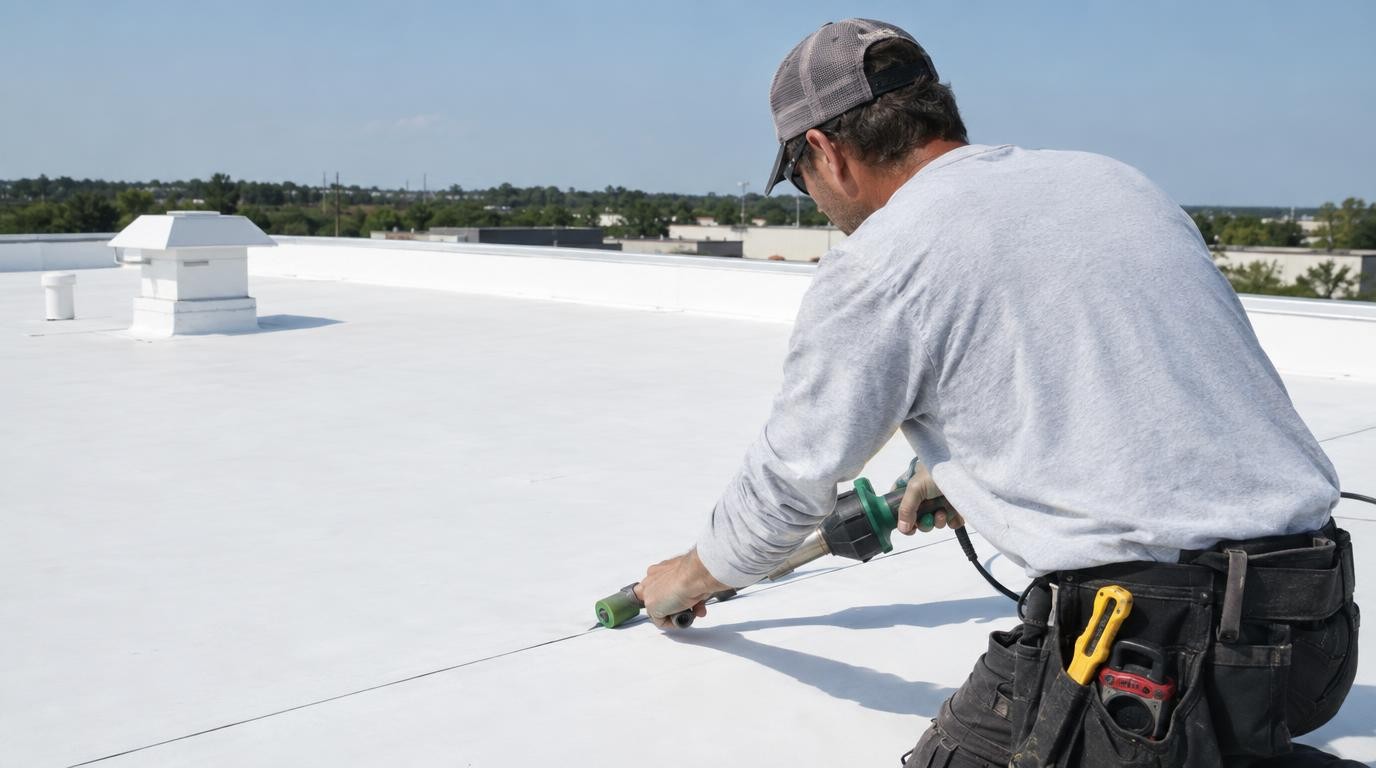
TPO roofing is a single-ply membrane system designed for flat and low-slope applications. The material consists of a thermoplastic polyolefin blend reinforced with polyester fabric, creating a flexible yet sturdy roof surface. Heat-welded seams join the membrane sheets into a continuous barrier that resists water intrusion far more effectively than glued or taped joints.
What Makes TPO Different from Other Flat Roof Membranes?
TPO combines the proven performance of traditional single-ply systems with modern material engineering. Unlike older EPDM membranes that rely on adhesives for seam bonding, TPO uses heat welding to fuse seams into monolithic joints that remain sealed through building movement and temperature fluctuations. The membrane resists punctures, tears, and chemical exposure while maintaining flexibility across a wide temperature range.
How Does TPO Improve Energy Efficiency?
The bright white surface of TPO reflects solar radiation rather than absorbing it, keeping rooftop temperatures significantly lower than dark-colored alternatives. This cool roof performance reduces heat transfer into the building below, decreasing cooling demands during warm months and supporting more comfortable interior conditions year-round.
Is TPO Roofing Right for My Property?
TPO roofing suits most flat and low-slope buildings where energy efficiency, durability, and waterproofing rank among top priorities. The system performs exceptionally well on structures exposed to prolonged sunlight, heavy rain, and wind-driven moisture.
What Types of Buildings Benefit Most from TPO?
Commercial properties including warehouses, retail centers, office complexes, and industrial facilities typically see the greatest advantage from TPO installations. The membrane handles foot traffic reasonably well, resists chemical exposure from rooftop equipment, and provides the long-term weatherproofing that commercial buildings demand. Multi-family residential buildings with flat roof sections also benefit substantially from TPO’s combination of performance and value.
Can TPO Work on Residential Flat Roofs?
Residential applications including patio covers, garage roofs, home additions, and porches with minimal slope frequently use TPO successfully. The material’s flexibility allows it to accommodate roof contours and penetrations common in residential settings while delivering the same seam strength and reflective benefits available to commercial projects.
How Is TPO Roofing Installed?
Professional TPO roof installation follows a systematic process that ensures lasting performance. Every step matters when creating a watertight system that protects your building for decades.
What Happens During Roof Deck Preparation?
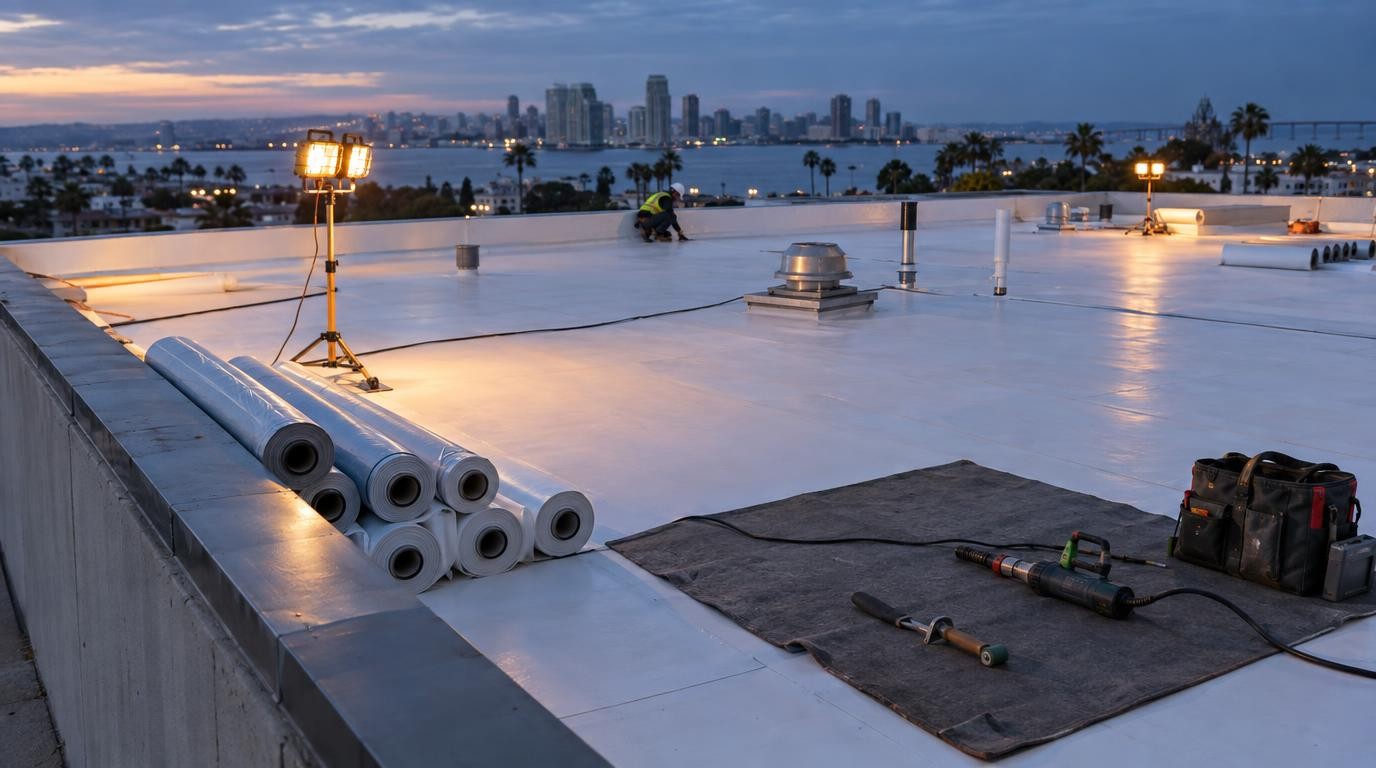
Proper substrate preparation creates the foundation for a successful TPO installation. Workers remove existing roofing materials, repair damaged decking, and ensure the surface is clean, dry, and structurally sound. Depending on the project, installers may add new insulation or recover boards to create an even, stable base that supports the membrane and improves overall thermal performance.
What Are the Three TPO Attachment Methods?
Three primary attachment techniques suit different building requirements and performance goals.
- Mechanically fastened systems secure the membrane using screws and stress plates driven through the membrane into the deck below, providing strong wind resistance at a cost-effective price point.
- Fully adhered installations bond the membrane directly to the substrate with adhesive, creating a smooth appearance and excellent performance in high-wind locations.
- Induction welded systems use specialized plates placed between the membrane and deck, with heat applied to weld the membrane directly to the plates for a secure, penetrations-free installation.
After preparing the deck and selecting the appropriate attachment method, installers roll out the membrane sheets, position them with proper overlaps, and heat-weld the seams to create continuous waterproof bonds throughout the system. Flashing details at edges, walls, and penetrations complete the installation.
What Long-Term Protection Does TPO Provide?
TPO membranes deliver reliable protection over extended service lives when properly installed and maintained. The material’s composition resists the environmental factors most challenging to flat roof systems.
How Well Does TPO Resist San Diego Weather?
San Diego properties face intense UV exposure, occasional heavy rains, and temperature variations throughout the year. TPO handles these conditions effectively, with UV-resistant formulations that resist degradation from prolonged sun exposure. The heat-welded seams accommodate thermal expansion and contraction without cracking or separating, maintaining waterproof integrity through seasonal temperature cycles.
What Maintenance Does a TPO Roof Need?
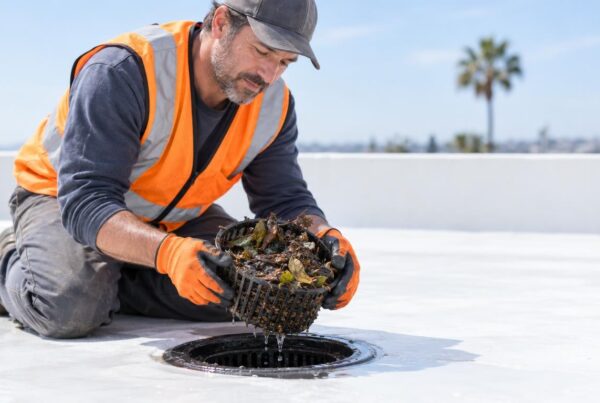
Routine maintenance extends TPO roof lifespan significantly. Periodic inspections identify potential issues before they develop into leaks, while clearing debris from the surface and drainage points ensures water flows freely away from the roof. Occasional cleaning removes accumulated dirt that could affect the membrane’s reflective properties over time. For signs of damage and guidance on when to call a professional, see our guide to TPO roofing repair.
How Does TPO Compare to Other Flat Roof Options?
Understanding how TPO stacks up against alternative flat roof systems helps property owners evaluate their options confidently.
TPO vs. EPDM: Which Is Better?
EPDM, a black rubber membrane, has served flat roofs for decades but absorbs heat rather than reflecting it. TPO’s white or light-colored surface delivers superior solar reflectance, reducing cooling costs during warm seasons. While both materials offer reliable waterproofing, TPO’s heat-welded seams typically outperform EPDM’s glued or taped joints in durability and long-term seam integrity.
TPO vs. PVC: How Do They Stack Up?
PVC roofing shares TPO’s heat-welded seam technology and reflective surface but generally carries a higher material cost. Both systems provide excellent performance and similar installation methods, though TPO has gained broader market acceptance in recent years for its balance of performance and value across both commercial and residential applications.
What Should I Expect When Getting a TPO Roof Installed?
Working with an experienced roofing contractor transforms a potentially complex project into a straightforward process with clear expectations at every stage.
How Does the Inspection and Planning Process Work?
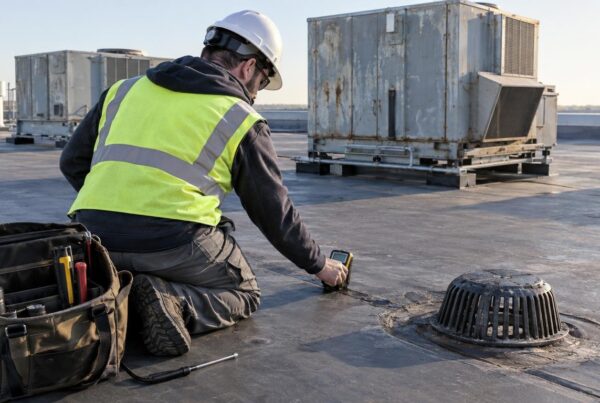
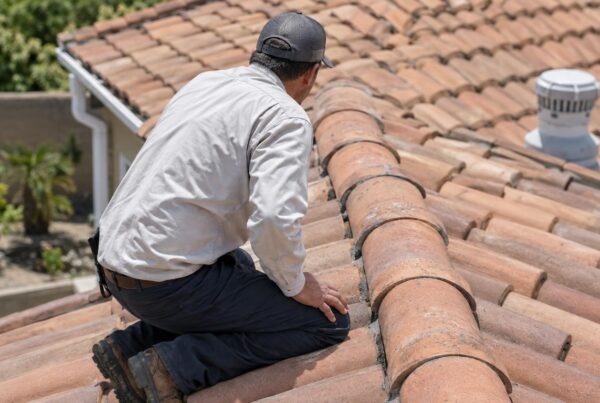
A thorough inspection assesses the existing roof condition, evaluates insulation needs, and identifies any structural concerns that require attention before installation begins. Your contractor reviews attachment method options, explains material choices, and helps you understand how each decision affects long-term performance and budget.
How Long Does a Professional TPO Installation Take?
Most TPO installations complete within a few days to a week, depending on project size and complexity. Preparation work, including substrate repair and insulation installation, may extend the timeline slightly. Professional installers coordinate each phase efficiently, minimizing disruption to building operations while maintaining quality standards throughout the process.
Why Choose Gastelum Roofing for Your TPO Installation?
Gastelum Roofing serves property owners throughout San Diego with expert TPO roofing installations backed by years of local experience. Our team provides comprehensive roof inspections and honest recommendations to help you determine whether TPO suits your building’s specific requirements.
Ready to explore whether TPO roofing is the right solution for your San Diego property? Contact Gastelum Roofing today to schedule a consultation. Call 760-295-6593 or visit our website to connect with our experienced team and receive personalized guidance for your roofing project.
Frequently Asked Questions
What is TPO roofing and what are its main benefits?
TPO roofing is a single-ply membrane system using thermoplastic polyolefin blend reinforced with polyester fabric. Key benefits include heat-welded seams creating continuous waterproof barriers, resistance to punctures and tears, flexibility across temperature ranges, and a reflective white surface that lowers cooling costs.
How does TPO roofing improve energy efficiency?
TPO’s bright white surface reflects solar radiation instead of absorbing it, keeping rooftop temperatures significantly lower than dark-colored alternatives. This cool roof performance reduces heat transfer into the building below, cutting cooling demands during warm months and creating more comfortable interior conditions year-round.
What are the three methods for installing TPO roofing?
Three methods attach TPO membranes: mechanically fastened systems use screws and stress plates for strong wind resistance at lower cost. Fully adhered installations bond the membrane directly to the substrate with adhesive for smooth appearance and high-wind performance. Induction welded systems use specialized plates with heat application to create penetrations-free bonds.
How long does a professional TPO roof installation take?
Most TPO installations finish within a few days to a week depending on project size and complexity. Professional installers coordinate each phase efficiently while maintaining quality standards throughout the process.
How does TPO compare to EPDM for flat roofs?
Unlike EPDM’s glued or taped joints, TPO uses heat welding to fuse seams into monolithic bonds that stay sealed through building movement. TPO’s white or light-colored surface reflects solar radiation much better than EPDM’s black rubber surface, lowering cooling costs. TPO’s heat-welded seams typically outperform EPDM in long-term durability and seam integrity.
What maintenance does a TPO roof need after installation?
Regular maintenance significantly extends TPO roof lifespan. Periodic inspections catch potential problems before they turn into leaks, while debris removal from the surface and drainage points keeps water flowing freely away. Occasional cleaning eliminates accumulated dirt that could reduce the membrane’s reflective properties over time.
What building types benefit most from TPO roofing?
Commercial properties including warehouses, retail centers, office complexes, and industrial facilities see the greatest advantage from TPO installations. The membrane handles foot traffic reasonably well, resists chemical exposure from rooftop equipment, and provides long-term weatherproofing. Multi-family residential buildings with flat roof sections also benefit substantially from TPO’s performance and value combination.